

LEO, the first business computer, built by the Lyons tea shop company, turns 75 with a party in Cambridge
The Lyons Electronic Office ran its first commercial job in 1951. LEO@75 on 28 November offers films, displays and a Python coding event for children.
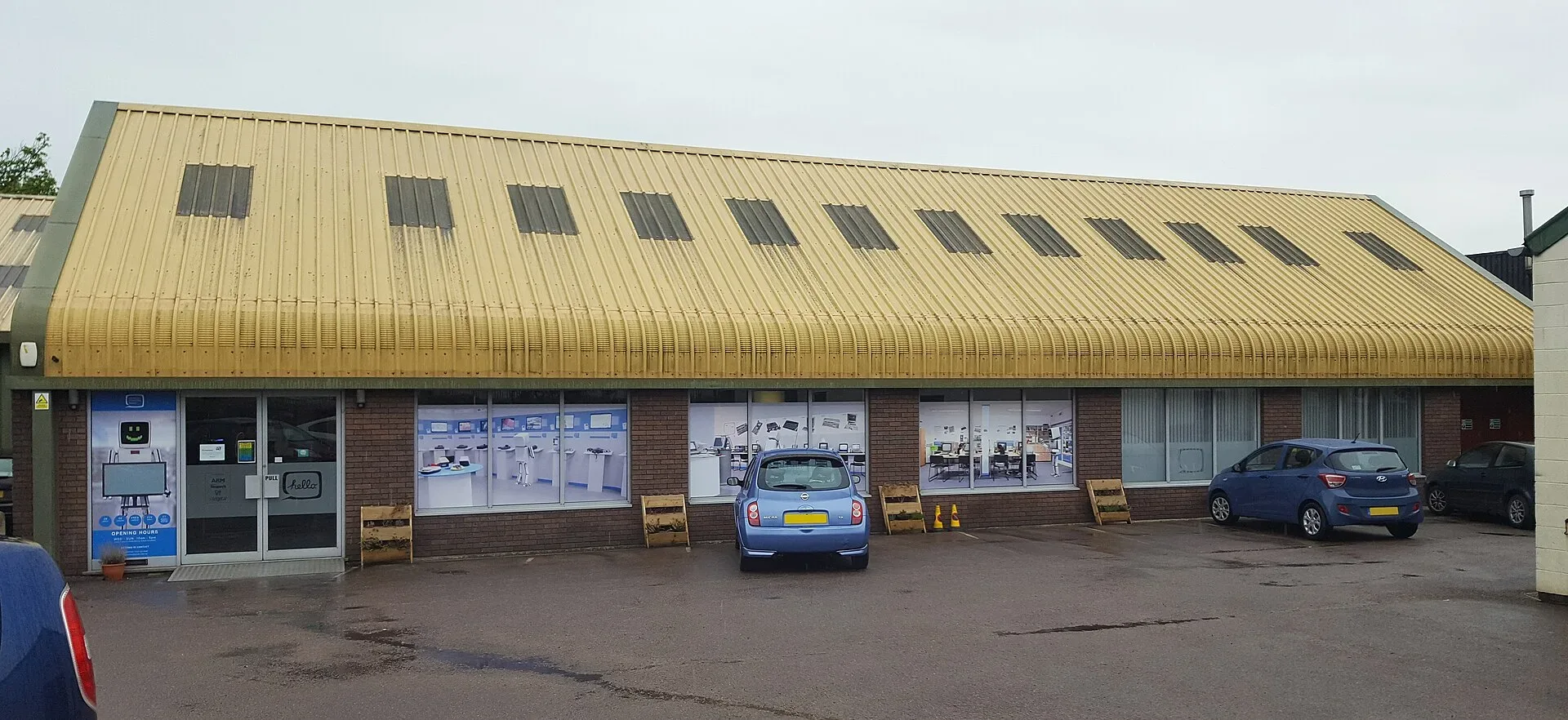
Seventy-five years ago, a computer built by the company behind Britain's famous Lyons tea shops ran its first commercial job. LEO, the Lyons Electronic Office, is being celebrated with a birthday party at the Centre for Computing History in Cambridge later this month, The Register reported.
The LEO@75 event takes place on Saturday 28 November, from 10am to 5pm, with film screenings, historical displays and hands-on activities for children, including sessions for five to seven-year-olds and a Python coding event for 12 to 16-year-olds.
Tea shops and the birth of business computing
LEO was built by J. Lyons and Co and ran its first commercial application in 1951. The Register describes it as "the machine that helped start it all", and the museum is celebrating it as the world's first business computer, with business computing itself turning 75 this month.
Its design was based on EDSAC, built at Cambridge University by a team led by Sir Maurice Wilkes. EDSAC ran its first program in May 1949 and was one of the world's earliest practical stored-program computers, machines that keep their instructions in memory rather than being rewired for each new task.
That idea, now known as the "von Neumann architecture", came from John von Neumann's draft report on the American EDVAC computer, circulated in 1945. Wilkes and Douglas Hartree drew on it in developing EDSAC. Manchester's "Baby", the first working electronic stored-program machine, had run its first program in 1948.
A pioneer programmer
LEO also produced one of computing's pioneers. Mary Coombs started programming the machine in 1952 and is remembered as the first female commercial programmer. LEO ran its first commercial job in the same year that the US Census Bureau took delivery of UNIVAC I, built by John Mauchly and J. Presper Eckert, the engineers behind the earlier ENIAC.
Where to see the history
The Centre for Computing History is an interactive computer museum just off Coldhams Lane in Cambridge. In 2018 it won National Lottery funding to help it "preserve, archive and digitise a range of LEO Computers artefacts, documents and personal memories."
Admission to the anniversary event supports the museum charity, with student and concession tickets at £10 and family tickets from £15. As well as the activities for children, there is a film screening and displays aimed at grown-ups.
For families with a technology-mad child, the Cambridge anniversary is a chance to see where business computing began, three-quarters of a century before the computers we now carry in our pockets.
More in Technology
All

Latest news
-
16 Nov
Apple launches study of 200,000 people to test how useful AI answers to health questions really are
-
16 Nov
Asian Business Chamber's Diwali celebration at St Andrew's explores innovation, from cybersecurity to football
-
16 Nov
Almost half of the region's exporters plan to break into new markets, and none expect to cut back
Featured posts
-
Things to do
Top 10 places to visit in Birmingham
-
Food and drink
The 12 most popular food spots in Birmingham
-
Things to do
The best laser tag locations in Birmingham