

Kenya discharges its last Ebola patient and could be declared free of the disease on 23 December
All 135 contacts were traced and every case stayed within a single cluster, though the outbreak in DR Congo continues.
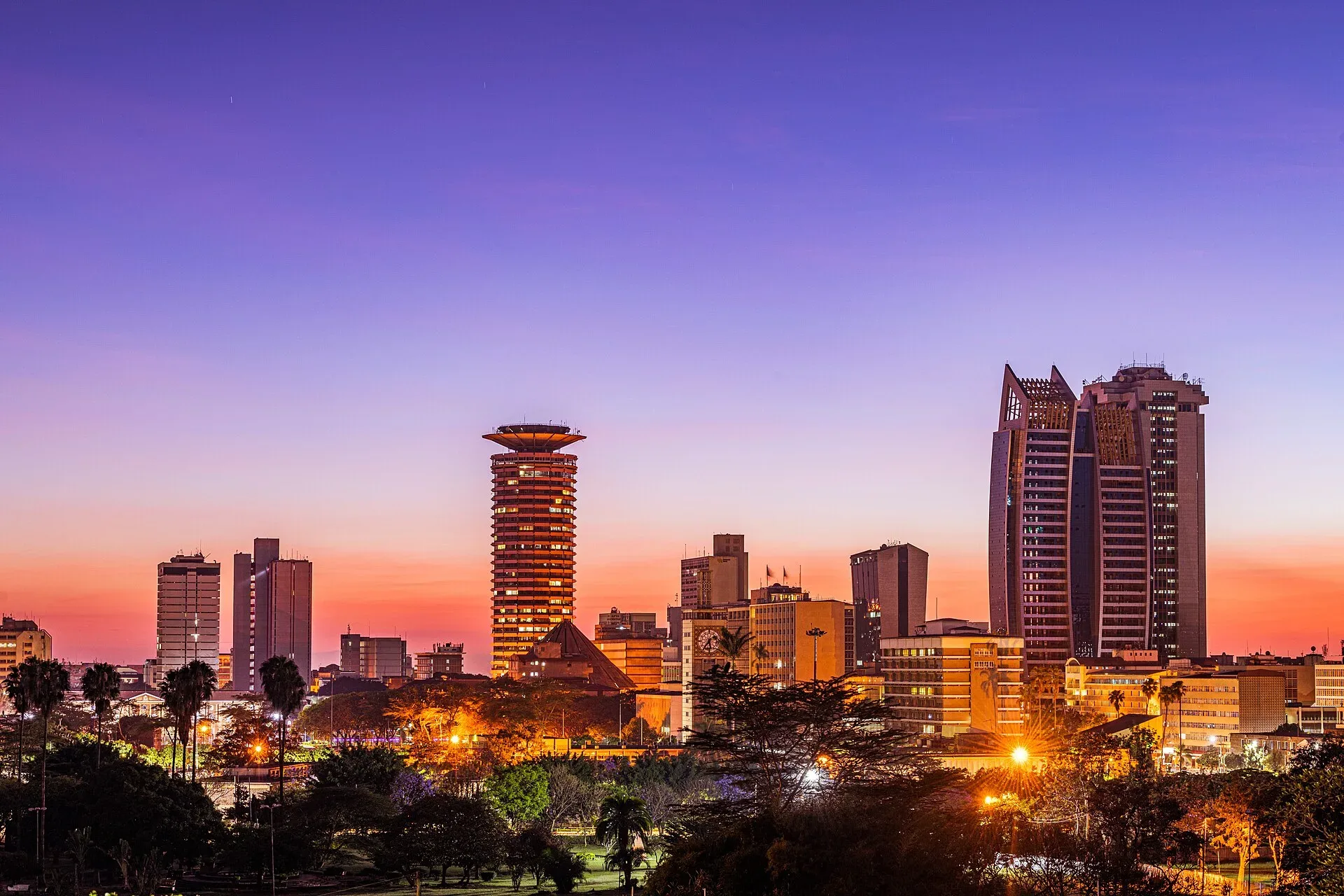
Kenya has discharged its last remaining Ebola patient from hospital in Nairobi, putting the country on course to be declared free of the disease next month, its health minister announced on 11 November.
Health Minister Aden Duale said the patient's 11 contacts will complete 21 days of quarantine. If no one else shows symptoms, Kenya will be declared Ebola-free on 23 December, DW reported.
An outbreak contained
Kenya's first case was reported on 6 October, in a man who had recently returned from the Democratic Republic of Congo. In total there were nine confirmed cases. Seven patients recovered and two died.
The health ministry credited fast work to trace everyone who might have been exposed. "Through strengthened surveillance and contact tracing, all 135 contacts linked to the index case were successfully traced and monitored," it said.
"All nine confirmed cases remained within a single transmission cluster, with no community transmission recorded," the ministry added.
A hard-won result
Under World Health Organization practice, a country can declare an Ebola outbreak over once 42 days, twice the virus's maximum 21-day incubation period, have passed since the last patient tested negative or was discharged without any new cases. That is why the countdown for Kenya runs to 23 December. Nairobi Hospital opened a dedicated Ebola isolation unit in response to the outbreak.
Containing Ebola depends on finding every person who may have been in contact with a patient, monitoring them through the 21-day incubation period and isolating anyone who falls ill. Kenya's success in keeping all its cases within one cluster is a significant achievement for its health workers, and an example of the public health work that stops outbreaks spreading.
The wider picture
The good news in Kenya comes against a grim backdrop. The outbreak in the Democratic Republic of Congo, which began in May, has become the country's deadliest, with more than 11,000 cases and 5,387 deaths reported. There has also been a case in Nigeria, linked to travel from Uganda. Africa's public health agency has held crisis talks on the spread, and there is still no vaccine against the rare Bundibugyo strain of the virus.
Earlier this month, the World Health Organization announced trials in DR Congo of an Oxford-developed vaccine, offering hope of new protection.
Why it matters
Outbreaks anywhere affect everyone, and the UK has long supported global efforts against Ebola, through research, funding and NHS and military medical teams. Birmingham's universities and hospitals are part of the country's research into infectious diseases and global health.
Kenya now faces six weeks of watching and waiting. If the quarantine period passes without new cases, 23 December will bring an early Christmas present: confirmation that the outbreak there is over.
More in World
All

Latest news
-
12 Nov
Rugby friends, 12, named Fundraiser of the Year for 250-mile London to Paris charity bike ride
-
12 Nov
Voyager 1 to become first spacecraft a light-day from Earth, and NASA wants you to flash a torch
-
12 Nov
Birmingham museums offer 15% off gifts for Museum Shop Sunday, including a new Joe Lycett range
Featured posts
-
Things to do
Top 10 places to visit in Birmingham
-
Food and drink
The 12 most popular food spots in Birmingham
-
Things to do
The best laser tag locations in Birmingham