

Ground rents capped at £250 and leasehold banned for most new flats under bill entering Parliament today
The Commonhold and Leasehold Reform Bill would also cap admin fees, make lease extensions cheaper and end threats to take homes over small debts.
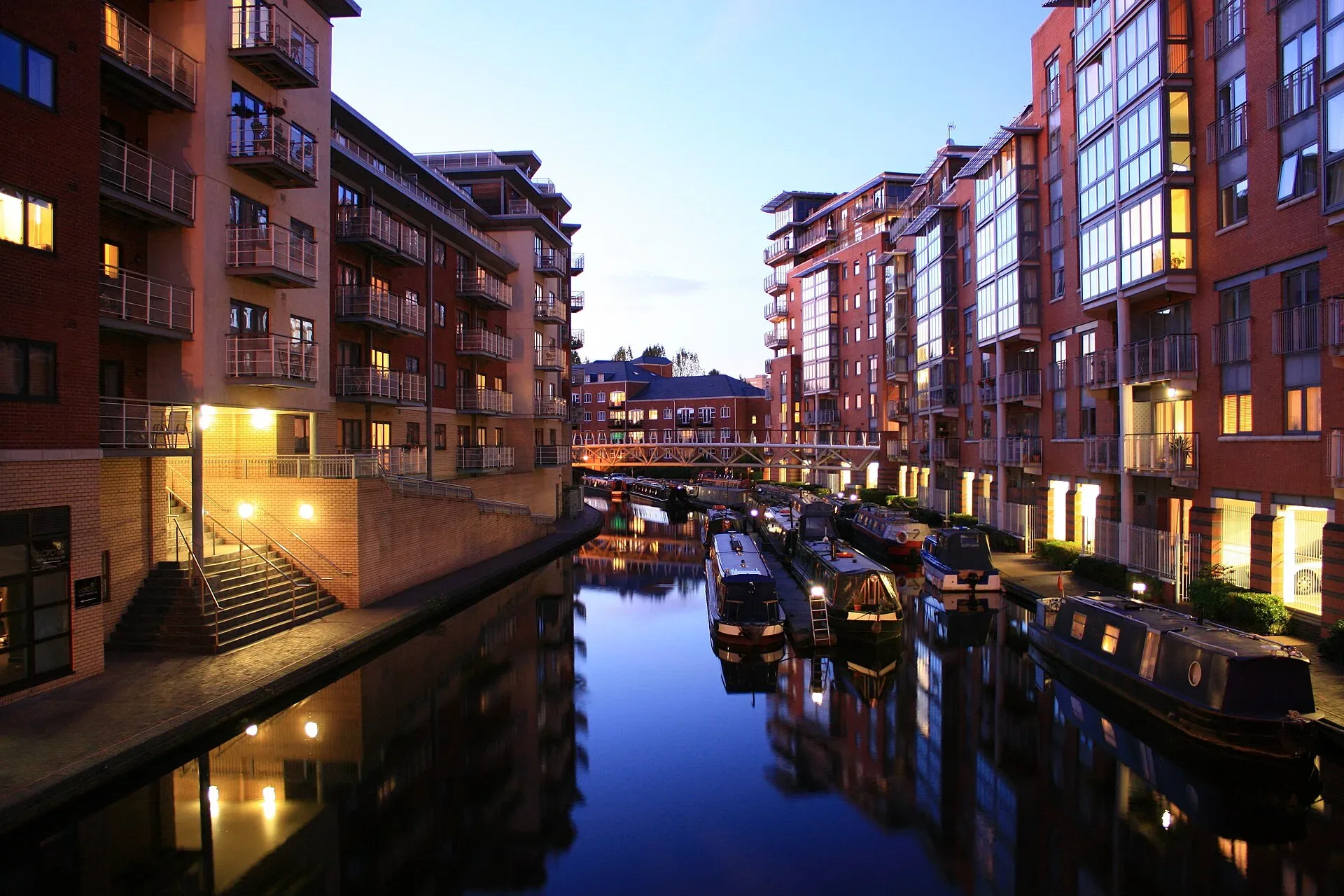
Ground rents capped at £250 a year, an end to "rip-off" admin fees and a ban on selling most new flats as leasehold are among the changes in a bill entering Parliament today, which the government says marks "the beginning of the end" of the 1,000-year-old leasehold system.
The Commonhold and Leasehold Reform Bill will matter to leaseholders in Birmingham as across the country, from flat owners in city centre blocks to families on new-build estates.
What the bill would change
There are an estimated 5.1 million leasehold homes in England and Wales. The government says many owners face rising ground rents, expensive fees for basic requests, costly lease extensions and even the threat of losing their home over small debts. The bill would:
Cap ground rents at £250 a year from 2028, cutting bills for up to one million leaseholders and reducing ground rents to zero after 40 years.
End threats to take away homes over relatively small unpaid bills, such as a disputed service charge, replacing them with a fairer, court-led system.
Cap excessive admin fees, such as charges for permission to keep a pet or replace a front door.
Make commonhold the standard for most new flats, with narrow exceptions such as shared ownership, so buyers own their home outright forever and run the building jointly.
Make it easier to switch existing blocks to commonhold, dropping the support needed from 100% of flat owners to 50%.
Make lease extensions cheaper and easier, including 990-year extensions and scrapping "marriage value", an extra cost for leases with 80 years or less left.
It would also protect up to 1.75 million freehold homes on so-called "fleecehold" estates from management companies threatening to take over homes over unpaid estate charges, and strengthen leaseholders' right to ask for a gigabit broadband connection.
"An anachronism"
Housing Minister Matthew Pennycook said: "The leasehold system denies individuals control over the homes they live in, and have paid for, and routinely subjects them to excessive extraction. It is blighting lives, and it is an anachronism in the twenty-first century."
"The publication of our historic Commonhold and Leasehold Reform Bill marks the beginning of the end for the feudal leasehold system."
Professor Nick Hopkins, chair of the Leasehold Advisory Service, called the move towards commonhold "the most significant change to home ownership for a generation", adding that the service is developing practical guidance to help people understand how the new model will work.
Not law yet
The reforms still have to pass through Parliament and receive Royal Assent before they take effect, and the ground rent cap would not start until 2028. In the meantime, leaseholders no longer have to wait two years after buying before extending their lease or buying their freehold, a change that came in under earlier reforms in January 2025.
More in Housing and Property
All
Housing and Property
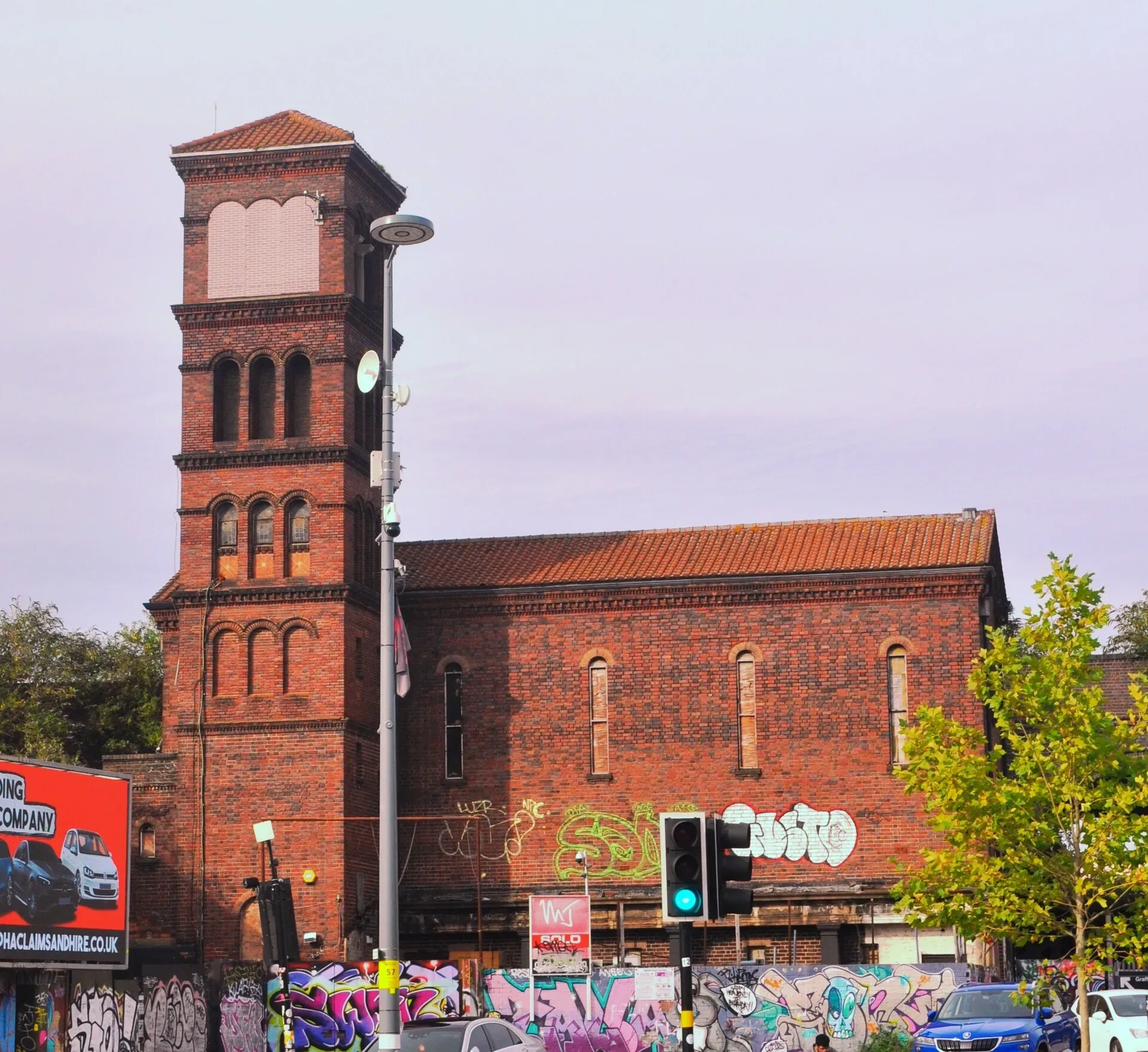
Fire-hit Digbeth chapel could become a 45-room hotel with an Italian-style piazza
Latest news
Featured posts
-
Things to do
Top 10 places to visit in Birmingham
-
Food and drink
The 12 most popular food spots in Birmingham
-
Things to do
The best laser tag locations in Birmingham