

British Transplant Games return to Birmingham next summer, with almost 3,000 taking part in 20-plus sports
The 2027 Games run from 29 July to 1 August, many events at the University of Birmingham, with a call for more families to talk about organ donation.
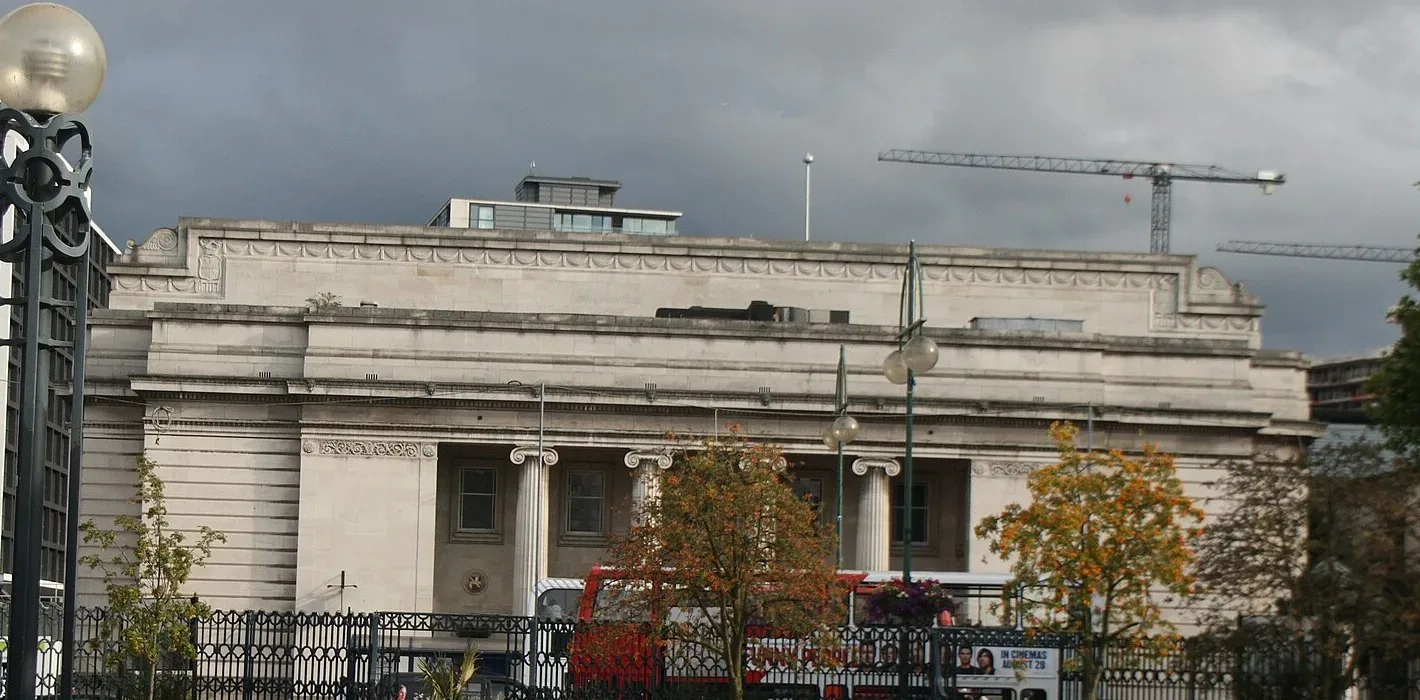
The British Transplant Games are coming back to Birmingham next summer for the first time since 2018, with almost 3,000 transplant recipients, living donors and donor families competing in more than 20 sports, many of them at the University of Birmingham.
The 2027 Westfield Health British Transplant Games will run from 29 July to 1 August. They were launched at The Exchange in the city centre, where recipients, donors and donor families shared their stories, alongside a plea for more people to register their decision to donate, Birmingham Live reported.
"A fitting home for the Games"
Derrick Anderson CBE, chair of the 2027 Games and the King's Lord-Lieutenant, said: "Birmingham is a fitting home for the Games in 2027. It is one of the most diverse cities in the country and home to one of Europe's largest transplant centres, so the need for more donors is felt here every single day."
The Games will be the 49th, and are the flagship event of Transplant Active, a charity that promotes active recovery after a transplant. Its chair, Dr Paul Harden, a consultant transplant physician in Oxford, said: "The Games are a celebration of life, and a reminder that one donor can save up to nine lives and transform the futures of 50 more."
"Without donors or their families consenting many of our athletes would not be with us, and it is a truly uplifting event packed with individuals who are embracing healthy lifestyles following their transplant, whilst thanking donors and their families for their life-changing generosity."
Starting conversations at home
More than 8,700 people in the UK are waiting for a transplant, more than ever before, and nine die every week while waiting. More than 250 of them are in Birmingham, according to NHS Blood and Transplant.
Its figures show that in the Midlands, families from ethnic minority backgrounds agree to donate a loved one's organs in 16% of cases, against 55% of white families, both below the national rates of 29% and 62%. More than half of Birmingham's residents are from an ethnic minority background, according to the 2021 Census.
"That is a gap that can only be closed by families having the conversation, and we want the Games to help start those conversations in homes, places of worship and community centres across the city," Mr Anderson said.
Professor Adnan Sharif, a consultant nephrologist and honorary professor at the University of Birmingham, said patients from Black and Asian backgrounds often wait longer for a transplant because fewer donors come from their own communities. "Behind every one of those statistics is a patient and a family waiting for a phone call," he said. "My ask is simple: whatever your background or faith, find out the facts, make your decision and share it with your family."
Professor Sharif will also lead a two-day conference for the UK's transplant medicine and research community at the university on 28 and 29 July 2027. Venues and the full schedule are still to be confirmed. Anyone can record their decision on the NHS Organ Donor Register.
More in Sport
All
Latest news
Featured posts
-
Things to do
Top 10 places to visit in Birmingham
-
Food and drink
The 12 most popular food spots in Birmingham
-
Things to do
The best laser tag locations in Birmingham