

Become an Antibiotic Guardian: Birmingham health services launch awareness week to keep antibiotics working
Resistant infections average 406 a week in England. Health services urge pharmacy self-care for colds and flu, which antibiotics cannot treat.
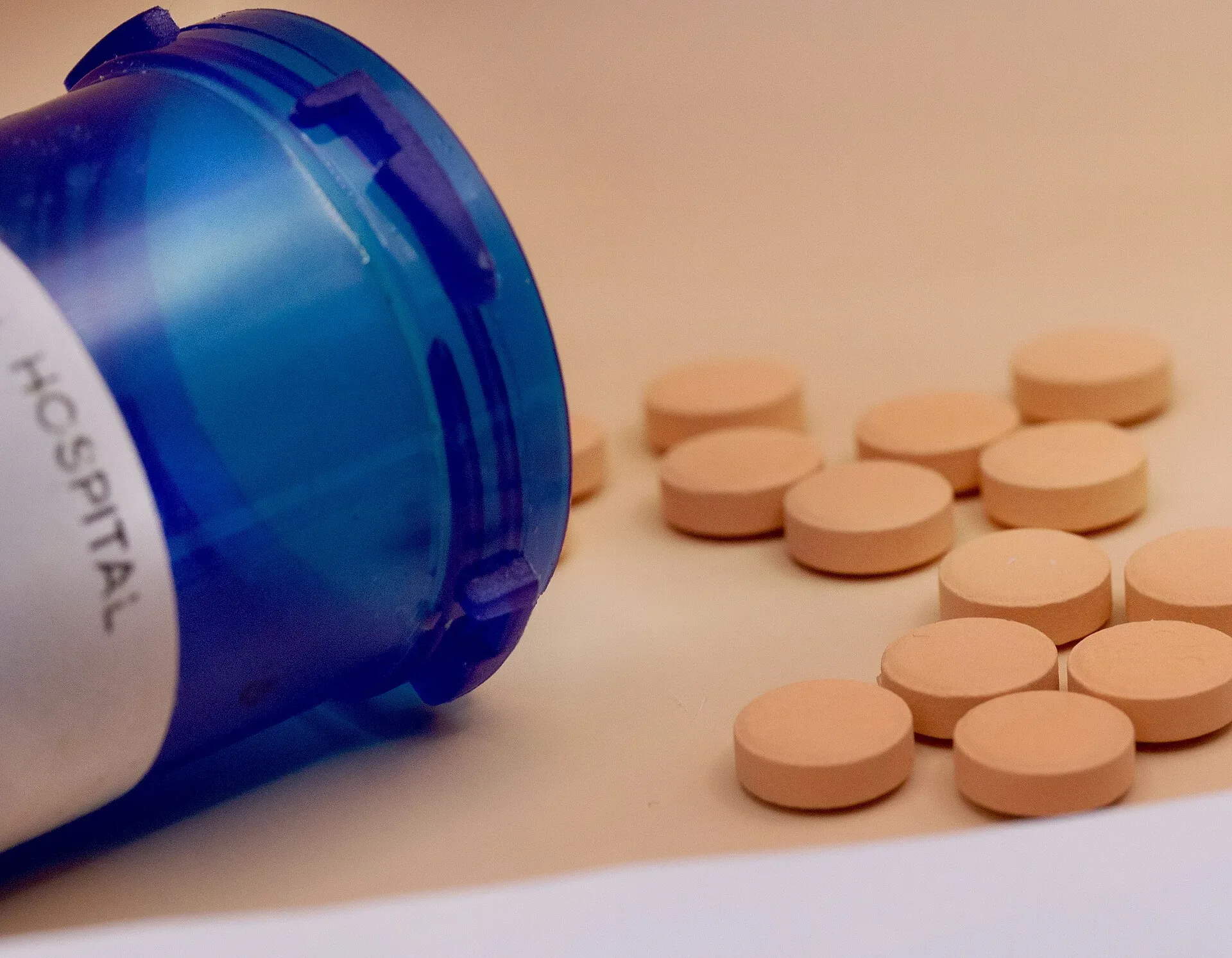
Health services across Birmingham and the Black Country are asking people to become "Antibiotic Guardians" during World Antimicrobial Resistance Awareness Week, which runs until 24 November, to help keep the medicines working for future generations.
NHS Birmingham and Solihull Integrated Care Board, NHS Black Country ICB, local councils, NHS trusts, the UK Health Security Agency and Community Pharmacy Black Country have joined forces to promote the responsible use of antibiotics, the Express and Star reported.
Resistant infections still rising
New national surveillance data from the UK Health Security Agency shows antibiotic-resistant infections continue to rise, with an average of 406 cases reported every week in England during 2025. Older people and those in more deprived communities are disproportionately affected.
Sarah Smith, the UKHSA consultant in health protection leading on antimicrobial resistance for the region, said: "Antimicrobial resistance (AMR) is a global health emergency, and we all have a part to play to keep antibiotics working."
"Antibiotic-resistant bacteria are less likely to respond to treatment, causing serious complications including bloodstream infections, sepsis and hospitalisation. This is why it's important to take antibiotics only when they are prescribed and necessary for the condition."
Colds and flu: antibiotics will not help
A spokesman for the campaign said: "Antibiotics are used to treat bacterial infections. However, they do not work for viral infections such as colds, flu, most coughs and sore throats. Using antibiotics when they are not needed is making some infections harder to treat in the future."
Ms Smith added that not finishing a course of antibiotics can also make an infection more resistant and harder to treat, something seen with tuberculosis, which can lead to much longer treatment.
What you can do
People can make a simple pledge to become an Antibiotic Guardian and use antibiotics responsibly. The campaign also encourages:
Self-care for common winter illnesses, and using local community pharmacies, where pharmacists can advise on treating symptoms, preventing infections and whether further medical help is needed
Returning unwanted or out-of-date antibiotics and other medicines to a pharmacy for safe disposal
Regular handwashing, keeping vaccinations up to date and following health advice when unwell
The campaign is also promoting Super Bodies, a local initiative helping parents and carers understand common childhood illnesses and when antibiotics may or may not be needed.
Know when to get help
Antibiotics remain an important treatment for some infections. Anyone whose symptoms are severe, getting worse or not improving as expected should seek medical advice early, and people should know the signs of serious infection, including sepsis, and get urgent help when advised by health professionals.
More in Health
All


Latest news
Featured posts
-
Things to do
Top 10 places to visit in Birmingham
-
Food and drink
The 12 most popular food spots in Birmingham
-
Things to do
The best laser tag locations in Birmingham