
BCU tests drones and AI to make bridge inspections faster and cheaper
Birmingham City University is part of a €13.7m project using sensor-carrying drones to spot defects in masonry bridges.
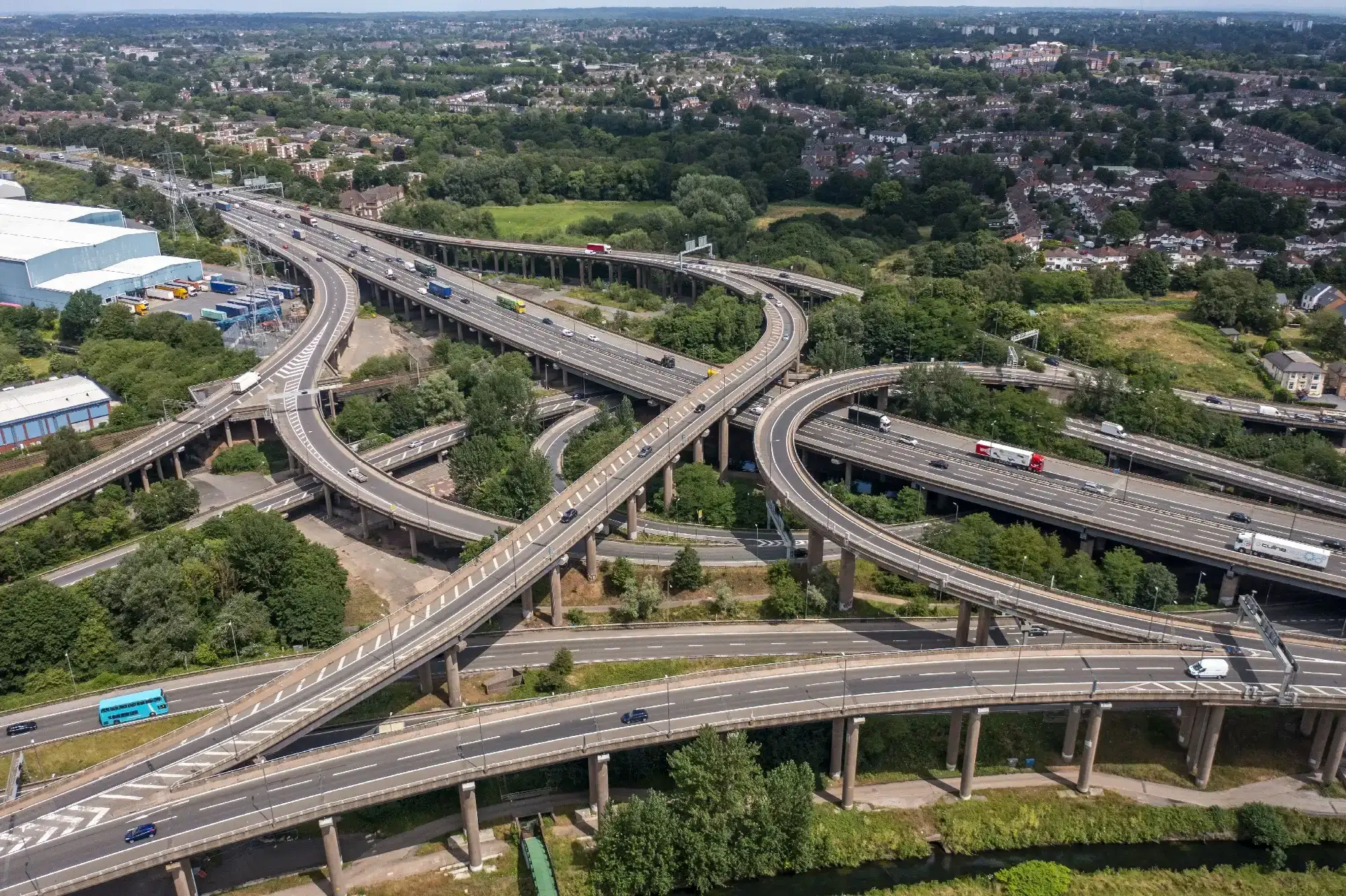
Researchers at Birmingham City University are testing how drones fitted with advanced sensors and artificial intelligence could make bridge inspections faster and cheaper, as part of a €13.7 million international project.
Inspecting a single bridge can cost up to £25,000 a day and take five working days or more. The BCU team wants to show that drones could gather the information engineers need with far fewer people on site, less specialist equipment and less disruption to the roads and railways that run over and under the structures.
An ageing network of brick and stone
The work focuses on masonry bridges, which make up around 40 per cent of the UK's bridge stock, including some 18,000 bridges on the rail network alone.
Conventional inspections can need teams of up to 10 people, cranes or cherry pickers to reach the structure, and traffic management to keep everyone safe. Preparing the site and setting up equipment can triple the time an inspection takes.
How the drones will work
The research is part of STRUCTURE, a project involving 21 partners across the UK, the Netherlands, Belgium, Portugal and Türkiye. BCU is working with the British drone technology company Evolve Dynamics and with National Highways.
Evolve Dynamics' uncrewed aerial system, called WOLFE, will be fitted with advanced sensors to capture detailed data from masonry structures remotely. BCU researchers will then use algorithms and AI to analyse that data, developing automated crack detection and tools that predict when maintenance will be needed. The team will also help build a "digital twin" platform, bringing inspection results together in one place to guide decisions. National Highways will give access to real structures so the technology can be tested in real-world conditions.
"Better-quality evidence"
Professor Saeed Talebi, professor of digital built environment at BCU, said: "STRUCTURE allows us to take that research into real-world infrastructure and demonstrate what it can deliver at scale."
"The ambition is not simply to replace one inspection method with another," he said. "It is to give infrastructure owners better-quality evidence about the condition of their assets, so emerging defects can be identified earlier and maintenance can be planned more intelligently."
He added that it "could mean fewer hours spent on site, less disruption to transport networks and better use of engineering resources, while still giving asset owners the evidence they need to make informed maintenance decisions."
Why it matters for travellers
For anyone who has sat in a queue behind lane closures for a bridge check, the benefit is easy to see. Inspections that need fewer people, less heavy kit and less traffic management mean shorter closures, while spotting cracks earlier means repairs can be planned before a problem forces a bridge to shut.
The project builds on BCU's wider research into the digital inspection of transport, tunnelling and maritime infrastructure, which brings together autonomous systems and AI. The technology is still at the testing stage, but the savings across the UK's ageing bridges could be significant.
More in Transport
All
Latest news
Featured posts
-
Things to do
Top 10 places to visit in Birmingham
-
Food and drink
The 12 most popular food spots in Birmingham
-
Things to do
The best laser tag locations in Birmingham