

BCU builds an AI 'digital twin' to help solar panels, batteries and car chargers cut energy costs
The Birmingham City University project, funded through EPSRC, will forecast demand and test ways of running local energy systems before trying them for real.
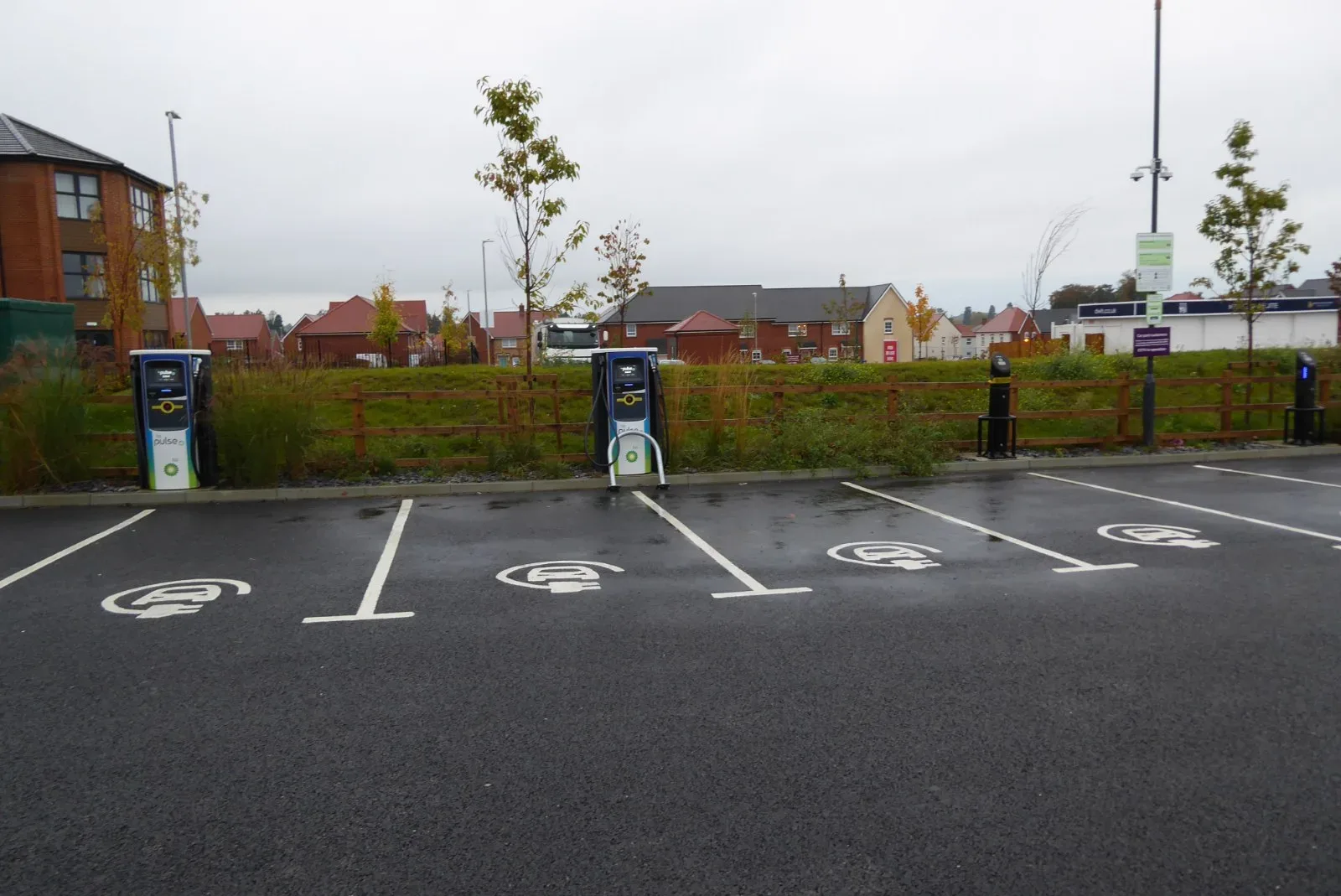
Researchers at Birmingham City University are building an AI-powered "digital twin" that could help buildings, solar panels, batteries and electric-vehicle chargers work together to cut energy bills, ease pressure on the grid and reduce emissions.
The project, backed by the Engineering and Physical Sciences Research Council through the Digital Twinning NetworkPlus, comes amid growing attention on the UK's energy security and the resilience of its infrastructure, BCU said.
What a digital twin does
A digital twin is a virtual copy of a real system that uses data to reflect how it behaves. Here, the team is combining one with artificial intelligence to forecast energy demand and renewable generation, spot potential faults and test different ways of running a system before any change is made in the real world.
Dr Syed Attique Shah, Senior Lecturer in Smart Computer Systems in BCU's Department of Computer Science, who leads the research, said: "Energy systems are becoming increasingly interconnected, with buildings, renewable generation, batteries and electric vehicles all influencing how electricity is produced and consumed."
"Our aim is to help operators understand those interactions, anticipate changing conditions and test their options before making decisions. By combining AI with a digital twin, we can explore questions such as when to store renewable electricity, how to manage electric-vehicle charging and how to respond when demand rises or generation falls."
Storing sunshine for the evening peak
One example is the early evening, when demand for electricity peaks. The technology could help an operator see that peak coming, and judge whether storing surplus solar power from earlier in the day would cut costs and take pressure off the grid, Dr Shah said, bringing practical benefits for energy bills and the resilience of local energy systems.
The project aims to deliver a working demonstrator that brings together historical energy data, real-time information where it is available and simulated scenarios. The team will test forecasting and optimisation methods, measuring how accurate the predictions are and how much they could improve the use of renewable energy, peak demand, running costs and emissions.
From campus to regeneration
Dr Shah is working with co-investigators Dr Muhammad Ajmal Azad and Michael Grace, research assistants Dr Ali Hamza and Dr Ahmad Wahab, and PhD researcher Fatima Iqbal, bringing together expertise in AI, digital twins, cybersecurity, energy systems and sustainable urban development.
The methods are intended for future use on university campuses, business premises and urban regeneration projects, laying the foundation for larger real-world pilots and more work with industry.
With more homes and businesses adding solar panels, home batteries and car chargers, tools that help all of them pull in the same direction could matter well beyond the university, in a city with plenty of regeneration still to come.
More in Technology
All

Latest news
Featured posts
-
Things to do
Top 10 places to visit in Birmingham
-
Food and drink
The 12 most popular food spots in Birmingham
-
Things to do
The best laser tag locations in Birmingham