

BCU and South Korean researchers use AI to spot risky crossings and routes to parks, and plan a partnership
A British Council-funded project at Birmingham City University marks a year of responsible AI research for safer, healthier cities, with a London and Seoul comparison next.
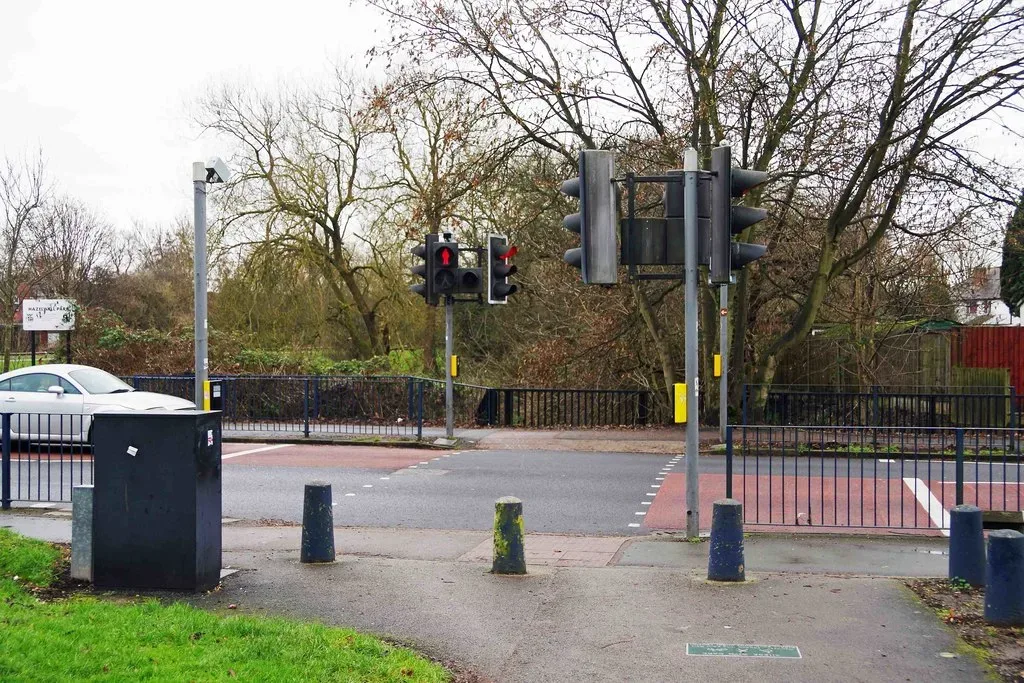
Researchers at Birmingham City University have spent a year working with colleagues from South Korea on how artificial intelligence could make city life safer and healthier, from spotting a risky crossing on the walk to school to showing which neighbourhoods struggle to reach a park. Now they want to make the partnership permanent.
The team met on Monday for the fourth workshop of the project, which is funded by the British Council through an International Science Partnerships Fund fellowship, to look back on the year and set out what comes next, Brum News reported.
A year's work
Project director Muhammad Afzal, an associate professor of computer science at BCU, said the workshop reviewed the past year's research, the skills the fellows had developed and the connections they had made. By the project's own figures, the team has published three journal papers, with three more submitted, plus five conference proceedings, and has taken part in 12 conferences and events.
Asked what he was proudest of, Afzal pointed to the three early-career researchers from South Korea on the project. Working with UK colleagues helped them publish high-quality research, he said, and attending conferences gave them "the confidence to share and discuss their findings". The relationships built with organisations in South Korea give the team "a foundation to keep working together beyond the fellowships", he added.
Evidence, postcode by postcode
The research could help councils see where problems overlap. A health index could show where health needs are greatest, while an environmental justice index could show where residents face more pollution or find it harder to reach parks. Looked at postcode by postcode, the two together could give residents evidence to ask for changes, "such as a safer crossing or a better route to a park".
The team is also working on probabilistic AI, which can flag where walking or cycling may be riskier and show how certain those estimates are. In council decision-making, responsible AI could flag decisions for review when new evidence or residents' feedback comes in, so staff can check the findings, decide what to change and explain why.
Afzal used a child's walk to school as an example. Data can flag a risky crossing, transport planners can work out how to improve it, and public health teams can check whether the change made a difference. "Families know what the journey is like every day," he said, and bringing those views together helps design changes that work in practice.
London and Seoul compared
The team now wants to agree a memorandum of understanding between BCU and a South Korean partner organisation, to support joint research, funding bids, co-written papers and knowledge sharing.
One idea in development is a comparison of how London and Seoul use AI in public services: how each city checks what the AI finds, explains its decisions and lets residents challenge them. The aim is to see where the two approaches are alike, where they differ and what each city could borrow from the other.
More in Technology
All


Latest news
Featured posts
-
Things to do
Top 10 places to visit in Birmingham
-
Food and drink
The 12 most popular food spots in Birmingham
-
Things to do
The best laser tag locations in Birmingham