

World is now in 'the age of electricity', says energy agency chief, as new power generation set to double
IEA head Fatih Birol told COP31 that 12,000 gigawatts will be added in the next decade, with electric car sales outside China up 60% in nine months.
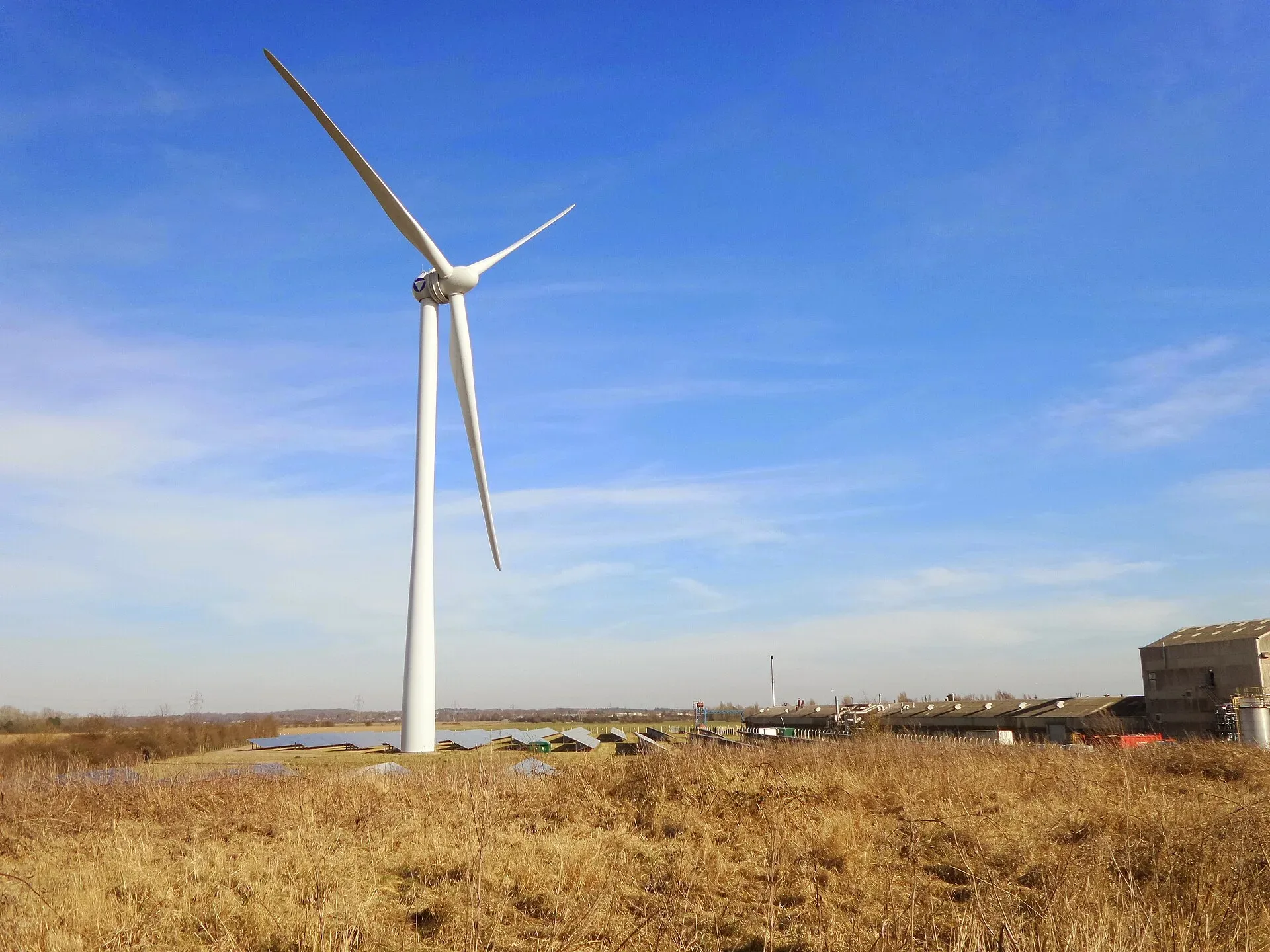
The world has moved on from the age of coal, oil and gas and is now firmly in "the age of electricity", according to the head of the International Energy Agency, who says more than twice as much new electricity generation will be added in the next ten years as in the last.
Fatih Birol, the agency's executive director, made the case in an interview with the Guardian at the COP31 UN climate summit in Antalya, Turkey, where governments from 185 countries are meeting this week and next.
Twelve thousand gigawatts in a decade
"We will still use oil and gas, but the dominant source of energy is becoming electricity," Mr Birol said. "One staggering number [is that] in the last 10 years, the world has added about 5,000 gigawatts of electricity. And we expect, in a very conservative way, in the next 10 years, about 12,000 gigawatts, more than two times more than what we had in the last 10 years."
He said global electricity was increasingly being generated from renewable sources, and that this would speed up over the coming decades. Electricity currently meets about a quarter of the world's final energy needs, with fossil fuels supplying the other three-quarters, mostly for transport, heating and industry.
Experts point out that electrifying those uses saves energy as well as carbon, because so much of the energy in fossil fuels is wasted as heat. Once those activities run on electricity, only about half the energy needs to be replaced.
Electric cars on the rise
Transport is changing fastest. Outside China, sales of electric cars have risen by 60% in the last nine months, the IEA has found. "Five years ago, only 5% of all the cars sold was electric. And this year, we expect it is about one-third of all the cars sold is electric, and electric trucks are coming," Mr Birol said.
He identified three big drivers of rising electricity demand: data centres for artificial intelligence, the electrification of transport and, largest of all, air conditioning, as heatwaves become more frequent.
What it means for UK bills
Mr Birol was clear about why electricity costs so much in Britain. "There is always a debate about this in the UK, but in fact the single most important reason why UK electricity prices may be on the high side is reliance on imported gas," he said. "And the solution is not importing more gas, but building more [renewable] electricity at home."
A pledge on the table
At the summit, countries are considering a resolution to get 35% of final energy worldwide from electricity by 2035, which could be one of the most important steps towards cutting emissions by the middle of the century. Mr Birol said most countries supported it, though some, including Saudi Arabia and Russia, are said to be opposed, and decisions at the talks need consensus.
Even without an agreement, he said, the shift would continue. "If the electrification pledge comes out [of Cop31] and the countries decide that the world's energy future is electric, then it will definitely lead to a secure, more affordable and more livable planet."
More in Environment
All


Latest news
-
16 Nov
New direct Birmingham to Crewe trains start on 13 December, the first step to a Manchester Airport link
-
16 Nov
Apple launches study of 200,000 people to test how useful AI answers to health questions really are
-
16 Nov
Asian Business Chamber's Diwali celebration at St Andrew's explores innovation, from cybersecurity to football
Featured posts
-
Things to do
Top 10 places to visit in Birmingham
-
Food and drink
The 12 most popular food spots in Birmingham
-
Things to do
The best laser tag locations in Birmingham