

Wild native oysters breed in a UK firth for the first time in over a century, proving restoration can work
Baby oysters have been found in the Dornoch Firth after 12 years of work, raising hopes for around a dozen other oyster projects around Britain.
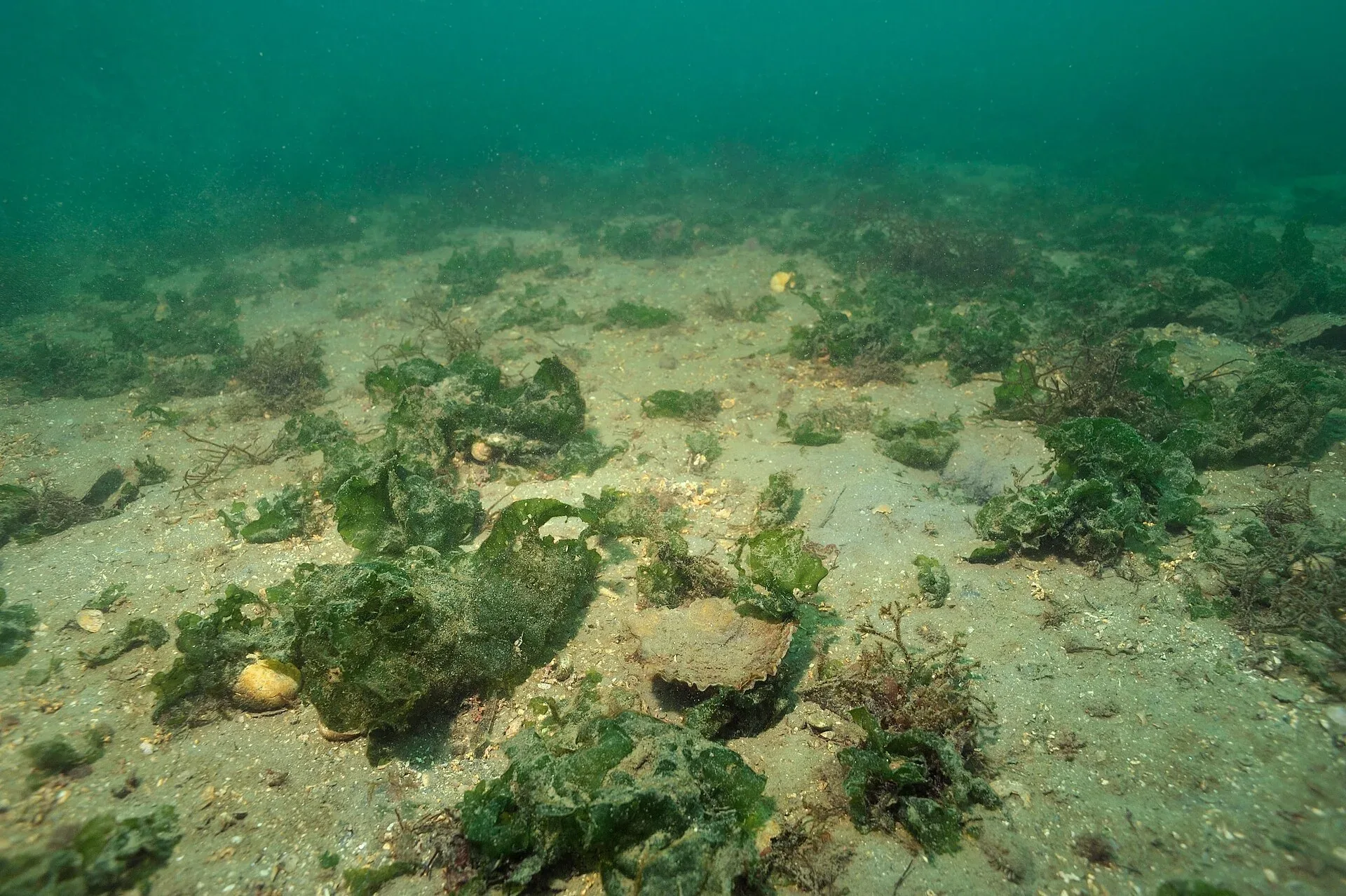
For the first time in the UK, scientists have bred wild native oysters at a site where they had been extinct for more than a century, a breakthrough that conservationists say proves restoring Britain's lost oyster reefs can work.
Baby oysters have been found in the Dornoch Firth, north of Inverness, where the Dornoch Environmental Enhancement Project (Deep) has been returning the species, the Guardian reported. The team hopes about four million native European flat oysters will soon colonise the restoration site.
From billions to a handful
Victorian maps, including Olsen's Piscatorial Atlas from 1883, show that billions of native oysters once covered the seabed around Britain in vast reefs. Within decades they were fished to extinction across the North Sea, the Channel and countless fisheries, and shipped by rail to feed the growing cities.
At their Victorian peak, 30 million oysters a year were landed from the Firth of Forth near Edinburgh, where the oyster bed once stretched 20 miles long and six miles wide. It has since disappeared. Today only a handful of places around the British coast have substantial wild oyster beds, and European oysters are listed as critically threatened.
"Incredible hope"
Professor Bill Sanderson, professor of marine biodiversity at Heriot-Watt University in Edinburgh, who leads the project, called confirmation that the oysters were reproducing naturally "a very significant milestone".
Oysters act as "ecosystem engineers", supporting hundreds of species, fixing sediment on the seabed and cleaning the water as they filter-feed. "We know from studying oyster habitats that when you establish an oyster reef, it's very likely that over a decade you're going to double the diversity on the seabed," Professor Sanderson said.
Gurjameer Ramday, the research associate who found the juvenile oysters, said warmer seas in the last two years had helped. "It's brilliant. Wild oyster populations have collapsed throughout Europe, so finding baby oysters now is proof that targeted restoration can work," he said.
Twelve years of work
Launched 12 years ago and co-funded by the Glenmorangie whisky company, Heriot-Watt and the Marine Conservation Society, the project has placed about 140,000 adult oysters in the firth. Volunteers hand-clean each one first to protect against disease. They come from one of the UK's few surviving fisheries, at Loch Ryan near Stranraer, which is home to about 23.5 million oysters and protected by a royal charter.
The team will keep adding oysters, aiming for a self-sustaining population by 2031. Its success has encouraged around a dozen newer UK projects, including in Argyll, Essex, the Solent and the Firth of Forth.
Conservationists still worry about overfishing, pollution and seabed-dragging fishing gear. But Professor Sanderson said there is "incredible hope", adding: "People want to do something that has some sort of hope attached to it in a world that's full of negative stories."
More in Environment
All


Latest news
-
16 Nov
New direct Birmingham to Crewe trains start on 13 December, the first step to a Manchester Airport link
-
16 Nov
Apple launches study of 200,000 people to test how useful AI answers to health questions really are
-
16 Nov
Asian Business Chamber's Diwali celebration at St Andrew's explores innovation, from cybersecurity to football
Featured posts
-
Things to do
Top 10 places to visit in Birmingham
-
Food and drink
The 12 most popular food spots in Birmingham
-
Things to do
The best laser tag locations in Birmingham