

University of Birmingham at heart of world-first NHS trial of blood tests to spot cancers earlier
More than 20,000 patients at 200 GP practices will test whether a simple blood sample can flag 12 abdominal cancers sooner.
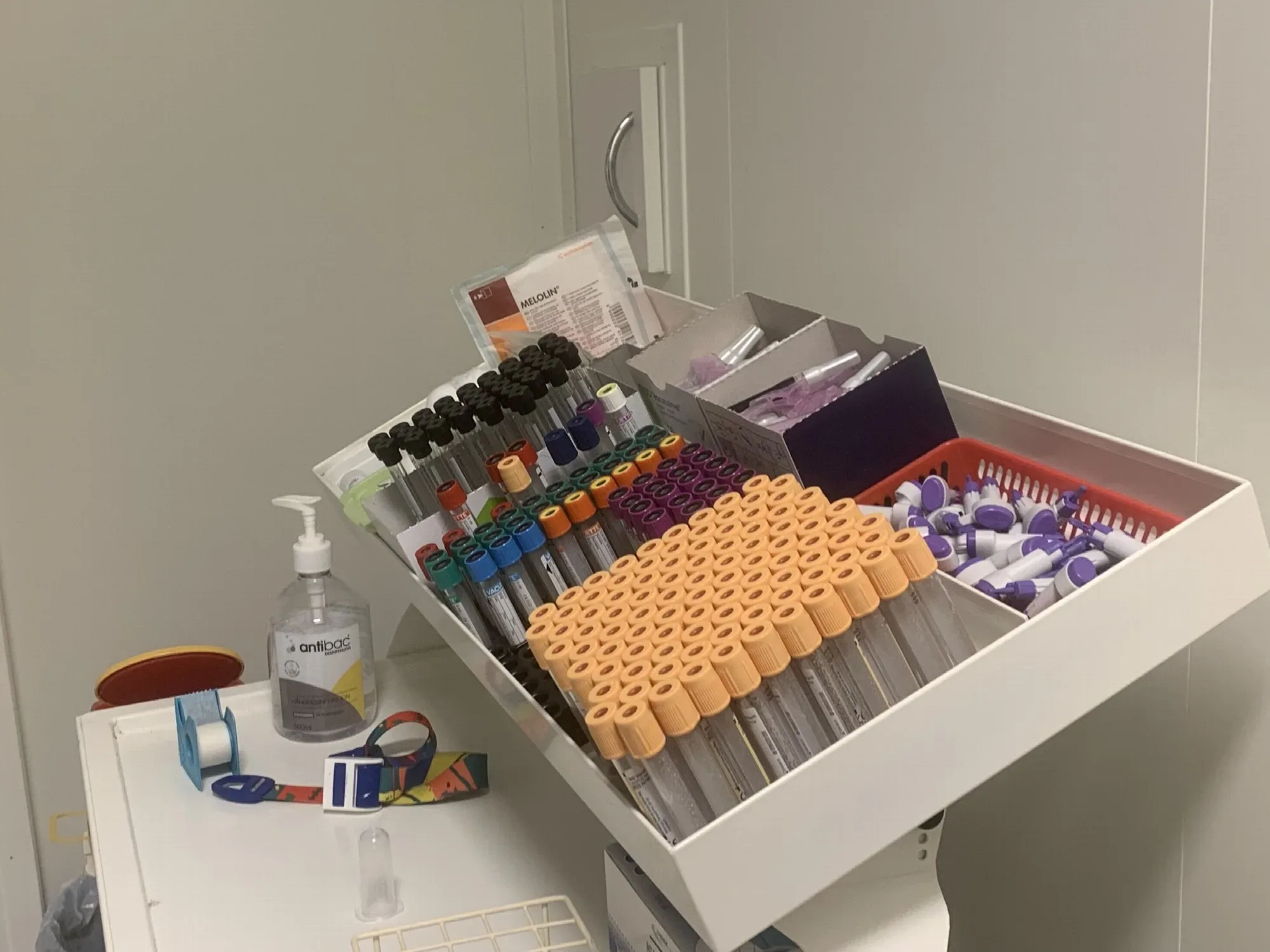
The University of Birmingham is at the heart of a world-first NHS trial that will see whether a simple blood sample taken at the GP's surgery can help spot abdominal cancers earlier.
More than 20,000 patients at at least 200 GP practices in England will take part in the trial, called STRIDE-RCT, which was announced by the government on 4 November 2026.
Who can take part
Patients aged 45 and over who visit their GP with abdominal symptoms, such as persistent bloating or discomfort, will be offered the chance to join. In the government's words, "Most of the tests in the trial, developed by the University of Birmingham, will ask patients to have one or two tubes of blood taken at their GP practice, alongside routine blood tests."
The tests look for signs of several cancers in a single sample and suggest where in the body they may come from. They use a range of the latest technology, including artificial intelligence and measuring proteins in the blood.
A positive result will help the GP and patient decide whether an urgent referral is needed, but it is not, on its own, a diagnosis of cancer.
Twelve cancers covered
The trial covers cancers of the bowel, small bowel, stomach, oesophagus, pancreas, liver, bile duct and gallbladder, ovary, womb lining (endometrium), kidney, bladder and prostate.
Around 71,000 people are diagnosed with pancreatic, stomach, liver, ovarian or bowel cancer in England each year, and there are almost 35,000 deaths from these cancers. Early diagnosis makes a huge difference: around 9 in 10 people diagnosed with bowel cancer at stage 1 survive at least five years, compared with around 1 in 10 at stage 4.
"We are at the start of a revolution"
Professor Peter Johnson, NHS National Clinical Director for Cancer, said: "Detecting abdomen cancer early is notoriously difficult because the symptoms can easily be mistaken for other less serious conditions, but the NHS is determined to find a solution."
"We are at the start of revolution in cancer diagnosis, and this trial will help us to find out whether blood tests can help GPs get the right patients to the right tests sooner."
Health and Social Care Secretary Yvette Cooper said: "The earlier cancers are diagnosed, the more chance they can be successfully treated, and lives can be saved."
Freeing up appointments
At the moment, just 2% to 6% of urgent referrals for suspected cancer result in a cancer diagnosis. By giving GPs another tool to decide who needs further tests, the hope is to make referrals better targeted and free up appointments for those with a genuinely urgent need.
The trial is funded with up to £8.49 million through the National Institute for Health and Care Research, and will include inner-city, rural, seaside and deprived communities. It will test how well the blood tests work alongside GPs' own judgement before any decision on a national rollout.
For Birmingham, it is a proud moment: work involving the city's university could shape how cancers are caught across the country. Anyone with persistent bloating, tummy pain or other unexplained symptoms should not wait for a trial, though: the advice is always to see your GP.
More in Health
All
Latest news
Featured posts
-
Things to do
Top 10 places to visit in Birmingham
-
Food and drink
The 12 most popular food spots in Birmingham
-
Things to do
The best laser tag locations in Birmingham