

Short story writer Cristina Fernández Cubas wins the 2026 Cervantes Prize
The Catalan author becomes only the seventh woman to win the highest honour in Spanish-language literature, worth 125,000 euros.
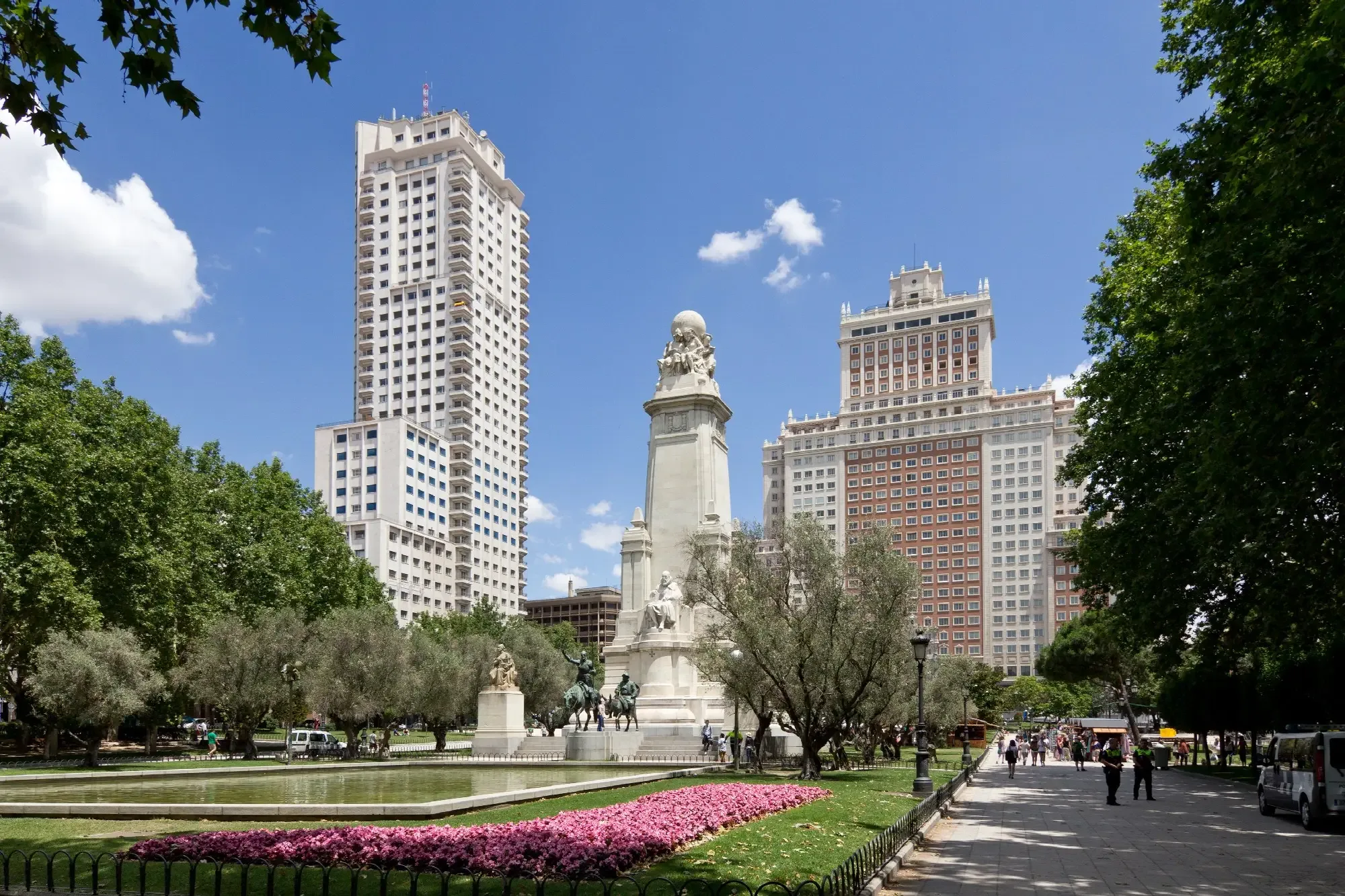
The Catalan writer Cristina Fernández Cubas has won the 2026 Cervantes Prize, the highest honour in Spanish-language literature, becoming only the seventh woman to receive it.
Spain's Minister of Culture, Ernest Urtasun, announced the jury's decision on Tuesday 3 November. The prize is worth 125,000 euros.
A master of the short story
Born in Arenys de Mar, near Barcelona, in 1945, Fernández Cubas is one of the leading figures in Spanish short fiction. Her works include Mi hermana Elba (My Sister Elba), El ángulo del horror (The Angle of Horror) and La habitación de Nona (Nona's Room).
The jury recognised her contribution to renewing the contemporary short story, and praised "the originality, excellence and coherence" of a body of work that has transformed Spanish-language fantasy fiction. It also highlighted her ability to explore human experience through stories marked by mystery and ambiguity.
Over her career she has also won Spain's National Narrative Prize and the National Prize for Spanish Literature.
The seventh woman
With this award, Fernández Cubas follows in the footsteps of writers such as María Zambrano, Ana María Matute and Elena Poniatowska, who were among the women honoured before her. Euronews said the prize consolidates her career and her influence on new generations of writers.
About the prize
The Cervantes Prize, named after Miguel de Cervantes, the author of Don Quixote, is often described as the Nobel Prize of the Spanish-speaking world. It honours the whole of a writer's career rather than a single book, and it alternates between writers from Spain and from Latin America. Past winners include Jorge Luis Borges, Octavio Paz and Mario Vargas Llosa.
The prize is traditionally presented by the King of Spain at the University of Alcalá de Henares, Cervantes' birthplace, on or around 23 April, the anniversary of his death and now World Book Day.
Why short stories matter
It is a notable win for the short story, a form that is often overshadowed by the novel when the big literary prizes are handed out. Fernández Cubas has spent five decades showing how much atmosphere, mystery and unease can fit into a few pages.
For readers in Birmingham, a prize like this is a good prompt to explore writers who are less familiar in English. The Library of Birmingham and local libraries across the city hold collections of world literature, and staff can help track down Spanish-language titles and translations. For anyone learning Spanish, a short story is also a manageable way in: a complete tale in an evening.
More in Awards and Honours
All

Latest news
Featured posts
-
Things to do
Top 10 places to visit in Birmingham
-
Food and drink
The 12 most popular food spots in Birmingham
-
Things to do
The best laser tag locations in Birmingham