
Saturn at its brightest, and the Orionid meteors are coming
Saturn reached opposition on 4 October, and the Orionids peak on 21 to 22 October.
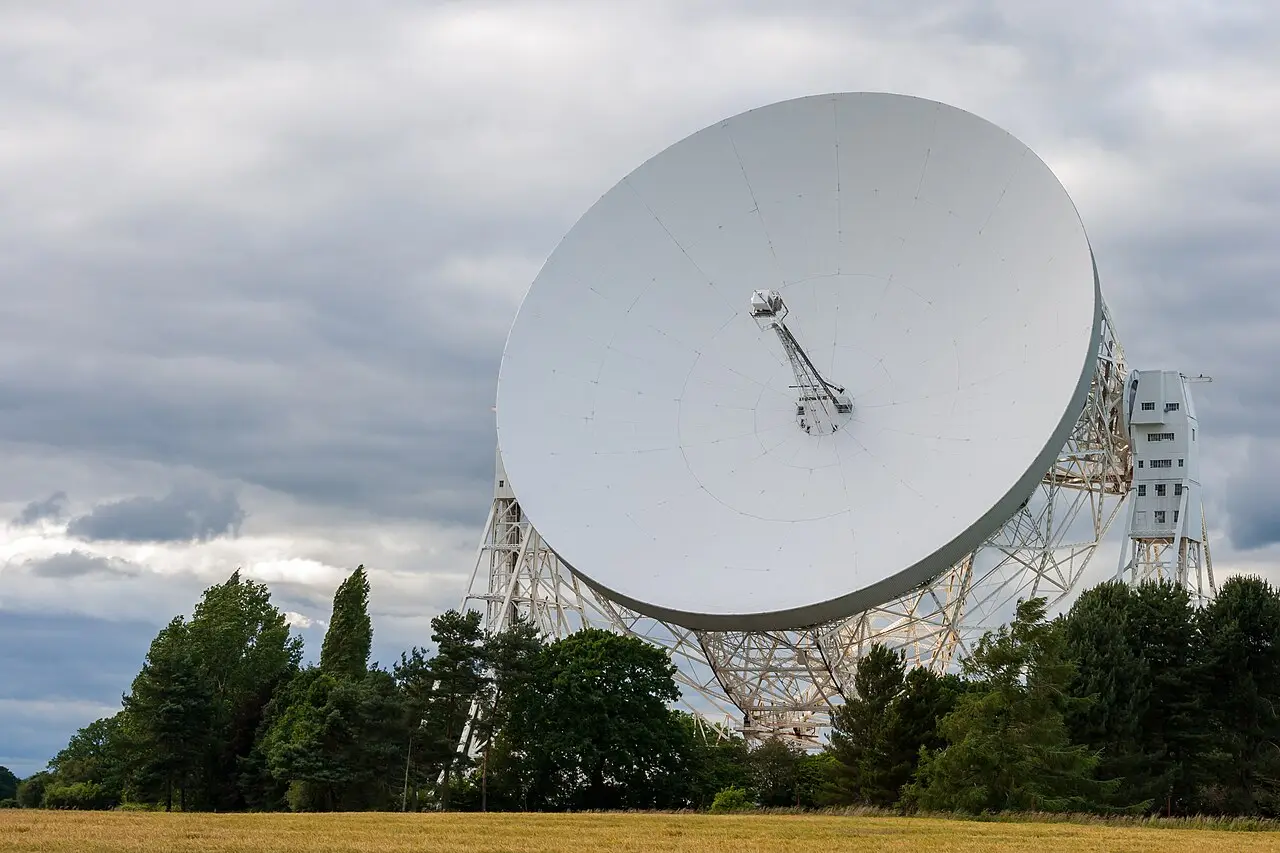
Saturn is at its best this month, and the Orionid meteor shower, made from dust left behind by Halley's Comet, is on its way, according to NASA's Jet Propulsion Laboratory.
Saturn at opposition
Saturn reached opposition on Sunday 4 October, when Earth passed between the planet and the Sun. At opposition, Saturn is at its closest and brightest for the year, and it rises around sunset and stays visible for much of the night.
From Birmingham, look towards the south east after dark. Saturn looks like a bright, steady, yellowish star. A small telescope will show its famous rings, and binoculars may show its largest moon, Titan, as a faint point of light nearby.
Saturn's atmosphere has some remarkable features, including a six-sided jet stream around its north pole, nearly 20,000 miles across. Astronomers have also observed a ten-sided wave pattern around its south pole.
The rings are tilting back
Saturn's rings appear at different angles over the years as Earth and Saturn move around the Sun. In 2025 the rings were seen edge-on from Earth, when they almost disappeared from view through small telescopes. They are now gradually opening up again, making them easier to see.
The Orionids
The Orionid meteor shower will peak on the night of 21 to 22 October. "These meteors come from small pieces of material left behind by Halley's Comet," NASA said.
Earth passes through the stream of dust left by the comet twice a year, producing the Orionids in October and the Eta Aquariids in May. The meteors are tiny grains of dust that burn up as they enter the atmosphere at high speed.
This year, a bright waxing gibbous Moon will drown out fainter meteors. The best time to look is before dawn, after the Moon has set.
Other sights this month
- 6 October: a thin crescent Moon near the bright planet Jupiter before sunrise
- 27 to 28 October: the Moon passes near the Pleiades, a star cluster also known as the Seven Sisters, which looks like a slightly hazy group of six or seven stars to the naked eye
Tips for stargazing
- Find a dark spot away from street lights. Around Birmingham, places such as the Lickey Hills and Sutton Park are darker than the city centre.
- Give your eyes 20 to 30 minutes to adjust to the dark, and avoid looking at your phone screen.
- For meteors, lie back and look at a wide area of sky rather than one spot.
- Wrap up warm, as autumn nights can be cold.
Clouds permitting
The Met Office long-range forecast suggests high pressure may bring settled weather to central and southern parts of the UK in early October, with clear nights, although fog may be an issue in the mornings.
Join a group
Local astronomy societies hold observing evenings and talks, and welcome beginners. Many have telescopes that members can borrow, which can be a good way to try astronomy before buying equipment.
How to tell a planet from a star
A simple rule of thumb is that stars twinkle while planets usually shine with a steadier light. Planets also move slowly against the background stars from night to night, which is how ancient astronomers first identified them. The word planet comes from the Greek for wanderer.
Apps can help
Free stargazing apps for smartphones can show which planets and constellations are in the sky when you point your phone upwards, although it is best to switch the screen to red night mode so it does not spoil your night vision.
More in Science
All

Latest news
Featured posts
-
Things to do
Top 10 places to visit in Birmingham
-
Food and drink
The 12 most popular food spots in Birmingham
-
Things to do
The best laser tag locations in Birmingham