
Personalised mRNA vaccine cuts melanoma recurrence, trial shows
The vaccine, made for each patient's tumour, reduced the risk of the cancer returning or death by 42 per cent alongside immunotherapy.
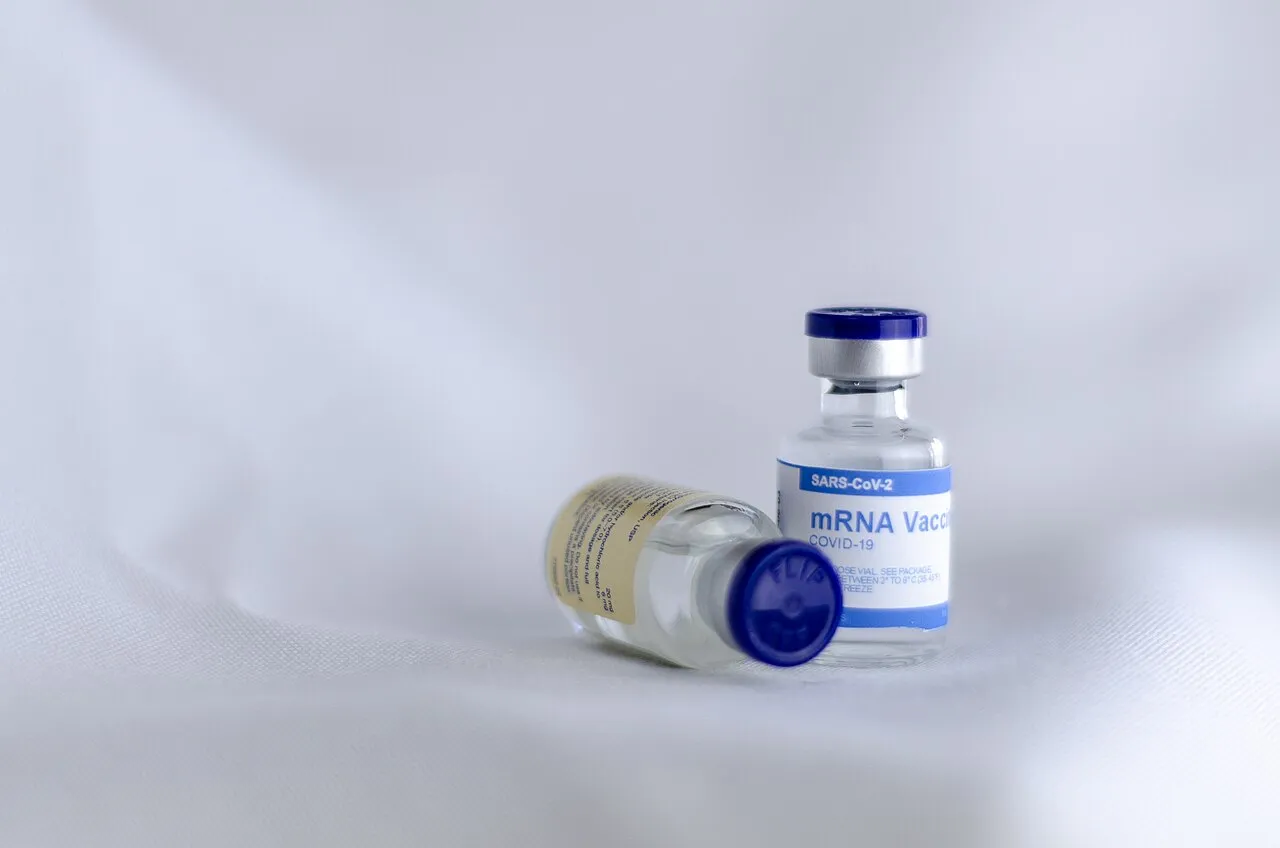
A personalised cancer vaccine, made to match the genetic mutations in each patient's tumour, has significantly reduced the risk of melanoma coming back, according to the results of a major clinical trial.
The vaccine, called intismeran, uses mRNA technology and is the first individualised cancer vaccine to show positive results in a phase III trial, the final stage of testing before a medicine can be approved for wider use.
A 42 per cent reduction
The Australian-led trial involved 1,137 patients at 157 sites around the world. All had had melanoma surgically removed but were at high risk of it returning, and none had received cancer drugs before.
All were treated for a year with an immunotherapy drug called pembrolizumab, and some were also given the personalised vaccine. Two years after treatment, the combination had reduced the risk of the cancer returning, or of death, by 42 per cent compared with pembrolizumab alone.
Of those given both treatments, 82 per cent were alive and free of the cancer after two years, compared with 70 per cent of those given pembrolizumab alone.
"A foundational shift"
Professor Georgina Long, medical director at the Melanoma Institute Australia, called the findings "a foundational shift in our approach to cancer". She said they showed scientists could harness the immune system "in a more personalised way to reduce the risk of melanoma recurrence or death", which "has not been achieved before in the history of cancer drug development".
She is due to present the results at the European Society for Medical Oncology's annual congress in Madrid this weekend. They have been accepted for publication in the New England Journal of Medicine.
Up to 34 mutations
Dr Jessamy Tiffen, of the Centenary Institute in Sydney, who was not involved, said the "truly remarkable" thing was how personal the treatment was. "Where previously oncologists could pick a targeted therapy based on a single gene mutation present in the melanoma, this bespoke mRNA vaccine targets up to 34 gene mutations, unique to each patient," she said. "This vaccine, in combination with another type of immunotherapy, then trains the immune system to recognise and eliminate the melanoma, and most importantly, stop it from coming back."
But she said it would not help everyone. "A significant portion do not respond to the vaccine in the first instance. Cancer cells also have an insidious ability to adapt and evade whatever treatment we throw at them. Only time will tell how effective the treatment is beyond two years."
The manufacturers said it was too early to tell whether the combination improved long-term survival. Professor Christopher Sweeney, of Adelaide University, called it "a step-change approach", but said more research was needed in patients with visible cancer or those who do not respond to pembrolizumab.
Years from routine use
The vaccine will not be available as a standard treatment until it has been through further study and regulatory review, which could take several years.
In England, the NHS has already been offering selected patients places on trials of personalised cancer vaccines through its Cancer Vaccine Launch Pad. Melanoma is one of the most common cancers in the UK, and most cases are linked to exposure to ultraviolet light from the sun or sunbeds.
More in Science
All

Latest news
Featured posts
-
Things to do
Top 10 places to visit in Birmingham
-
Food and drink
The 12 most popular food spots in Birmingham
-
Things to do
The best laser tag locations in Birmingham