
Retailers call for Budget help as footfall falls and energy bills rise
Shopper numbers fell 2.9 per cent in September, and electricity costs for shops are up £440m this year.

Fewer shoppers visited UK high streets, retail parks and shopping centres in September, according to the British Retail Consortium, as the industry steps up its calls for help in the Budget.
Footfall down
Figures from the BRC and Sensormatic, published on Friday, showed:
- total UK footfall fell 2.9 per cent compared with September last year, after a 1.7 per cent fall in August;
- high street footfall fell 3.0 per cent;
- shopping centre footfall fell 3.5 per cent;
- retail park footfall fell 1.7 per cent.
Footfall fell 3.4 per cent in England, 3.0 per cent in Wales and 0.7 per cent in Scotland, but rose 2.1 per cent in Northern Ireland.
"September was sluggish for footfall as the end of summer saw fewer shoppers heading out," said Helen Dickinson, chief executive of the BRC. "While some seasonal slowdown is expected, this September saw a sharp decline compared to last year, with high streets and shopping centres suffering most."
Sensormatic said the weather could not be blamed, as temperatures were above normal. Instead, shoppers appeared focused on inflation, household budgets, fuel costs and uncertainty ahead of the Budget.
Electricity bills up £440 million
A separate BRC report found retailers face a £440 million rise in electricity costs this year, even though they are using almost exactly the same amount of energy. Costs are expected to rise from £2.72 billion in 2025 to £3.16 billion in 2026, an increase of 16 per cent.
Much of the rise comes from non-commodity charges, the levies and network costs added to bills, which now make up around two-thirds of retailers' electricity bills. Transmission network charges alone are expected to rise by 72 per cent. The BRC warned the extra costs would feed through to prices on the shelves.
What the public wants
Polling by Opinium for the BRC found that 89 per cent of adults want the Government to prioritise reducing the cost of living in the Budget, 83 per cent want action on youth unemployment, and 77 per cent say improving high streets should be an important part of it.
The BRC says retail employs 2.8 million people, will pay £41 billion in business taxes in 2026 to 2027, up 20 per cent in two years, and has lost 122,000 jobs over those two years. One in seven high street properties now stands empty.
The asks
The BRC wants the Chancellor to raise the threshold at which employers start paying National Insurance from £5,000 to £6,000, to freeze the inflation-linked rise in business rates, and to remove shops from the higher business rates multiplier for large properties.
"After two Budgets that pushed up costs, jobs and prices are increasingly under pressure," Ms Dickinson said. "The choice is clear: ease the burden on retail and unlock investment in the things people care about."
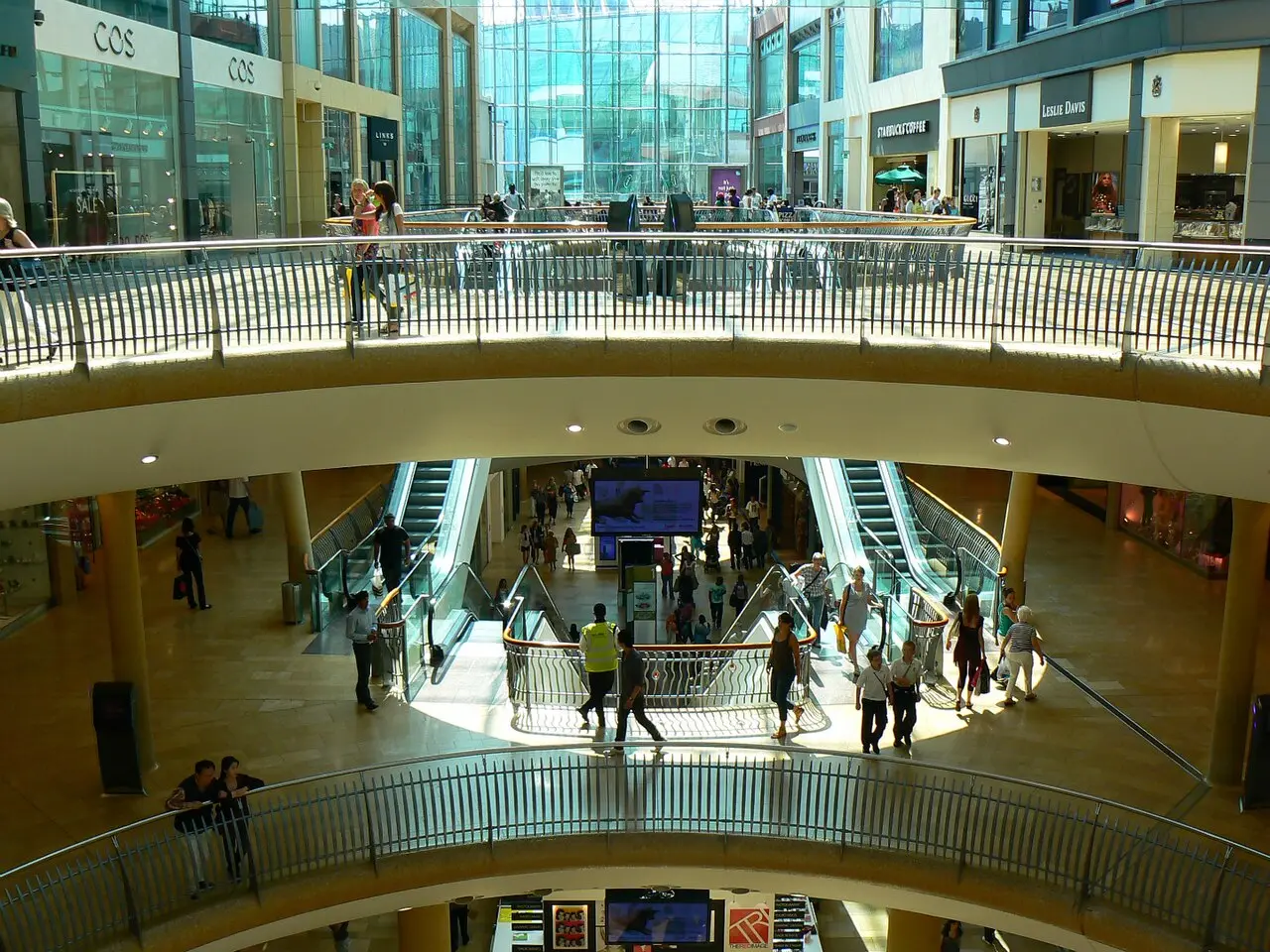
In Birmingham, the Bullring, Grand Central and the Mailbox, along with suburban high streets from Erdington to Kings Heath, will be watching the run-up to Christmas closely.
More in Economy
All
Latest news
Featured posts
-
Things to do
Top 10 places to visit in Birmingham
-
Food and drink
The 12 most popular food spots in Birmingham
-
Things to do
The best laser tag locations in Birmingham