
Consumer confidence falls at fastest rate since Brexit vote
GfK's index fell 11 points to -24 in October as fuel prices and the cost of living squeeze households before the budget.
Consumer confidence in the UK has fallen at its fastest rate since the Brexit referendum in 2016, outside the Covid pandemic, as the economic fallout from the war in the Middle East hits households.
The data company GfK said its consumer confidence index fell by 11 points in October to -24, less than a week before the chancellor, John Healey, delivers his first budget. The index last fell this much in a single month in July 2016, after the vote to leave the EU. Its biggest ever fall, of 25 points, came in March 2020 at the start of the first lockdown.
The "Burnham bounce" fades
The figures mark a sharp change from the summer, when GfK said a "Burnham bounce" after Andy Burnham became prime minister, a strong World Cup run by the England men's team and sunny weather had lifted the public mood.
Neil Bellamy, GfK's consumer insights director, said: "Relentless cost-of-living pressures, against an international backdrop of unresolved regional conflicts that are themselves contributing to domestic inflation now at 3.5 per cent, appear to have swept aside the nascent optimism we saw following the appointment of a new UK prime minister this summer."
Bracing for winter
People became less confident about both their own finances and the economy as a whole. The measure of whether it is a good time to make major purchases fell by 14 points to -22, suggesting households may be planning to cut back over the winter to make room for higher energy bills.
Petrol and diesel prices are close to record highs, and there are warnings that the typical household's energy bill could reach £2,000 a year from January. Analysis by the Trades Union Congress suggests households have paid almost £14,000 on average in extra costs for mortgages, loans, energy and water over the past five years.
Official figures this week showed inflation rose to 3.5 per cent in September, while government borrowing was a worse-than-expected £24.5bn.
Pressure on the chancellor
Mr Healey has promised "breathing space" measures in the budget to ease the pressure, but has warned that the government's room to help is limited as the conflict pushes borrowing costs to their highest level in decades.
Separate figures from the CBI showed manufacturers' investment plans remained subdued, with cost pressures still high. Cameron Martin, a senior economist at the business group, said: "If the government wants to meaningfully tackle the cost of living, it must give manufacturers the breathing space to invest. Next week's budget must deliver this by cutting business electricity costs, reducing labour costs and reforming business rates to support rather than hinder investment and growth."
The GfK index has been tracked by the government and the Bank of England since the early 1970s as an early warning of changes in the economy. Falls in confidence often feed through into weaker spending in shops, which make up a large part of the UK economy, and retailers will be watching closely as they head into the Christmas trading period.
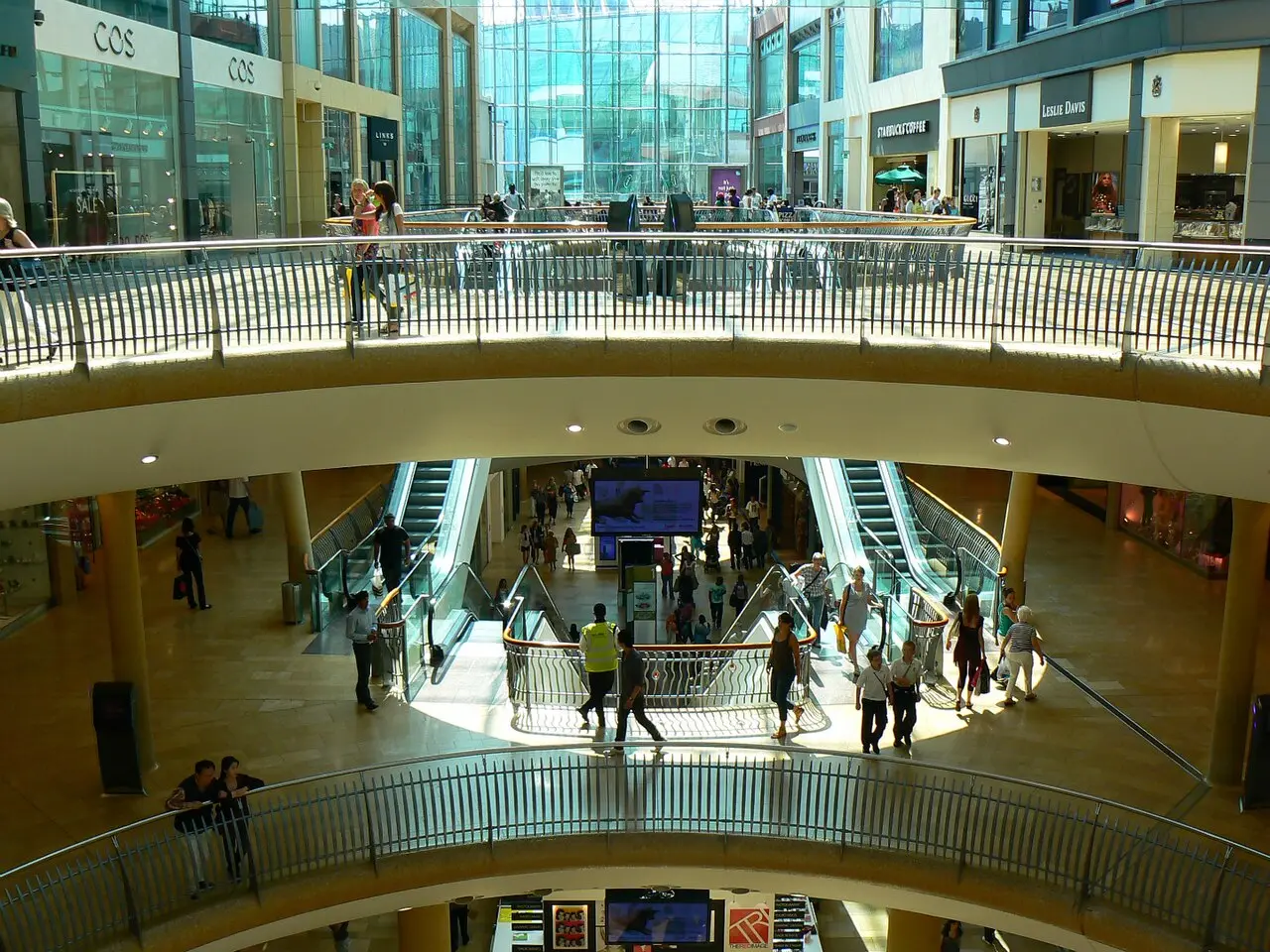
Shops in Birmingham, from the Bullring and Grand Central to the city's local high streets, rely heavily on the weeks before Christmas, so any sustained fall in confidence would be felt across the city.
More in Economy
All

Latest news
Featured posts
-
Things to do
Top 10 places to visit in Birmingham
-
Food and drink
The 12 most popular food spots in Birmingham
-
Things to do
The best laser tag locations in Birmingham