

Railway war memorials return to Euston in time for Armistice Day after more than 20 years away
The plaques honour 24 railway workers, including a 22-year-old clerk who died as a prisoner of war in 1941.
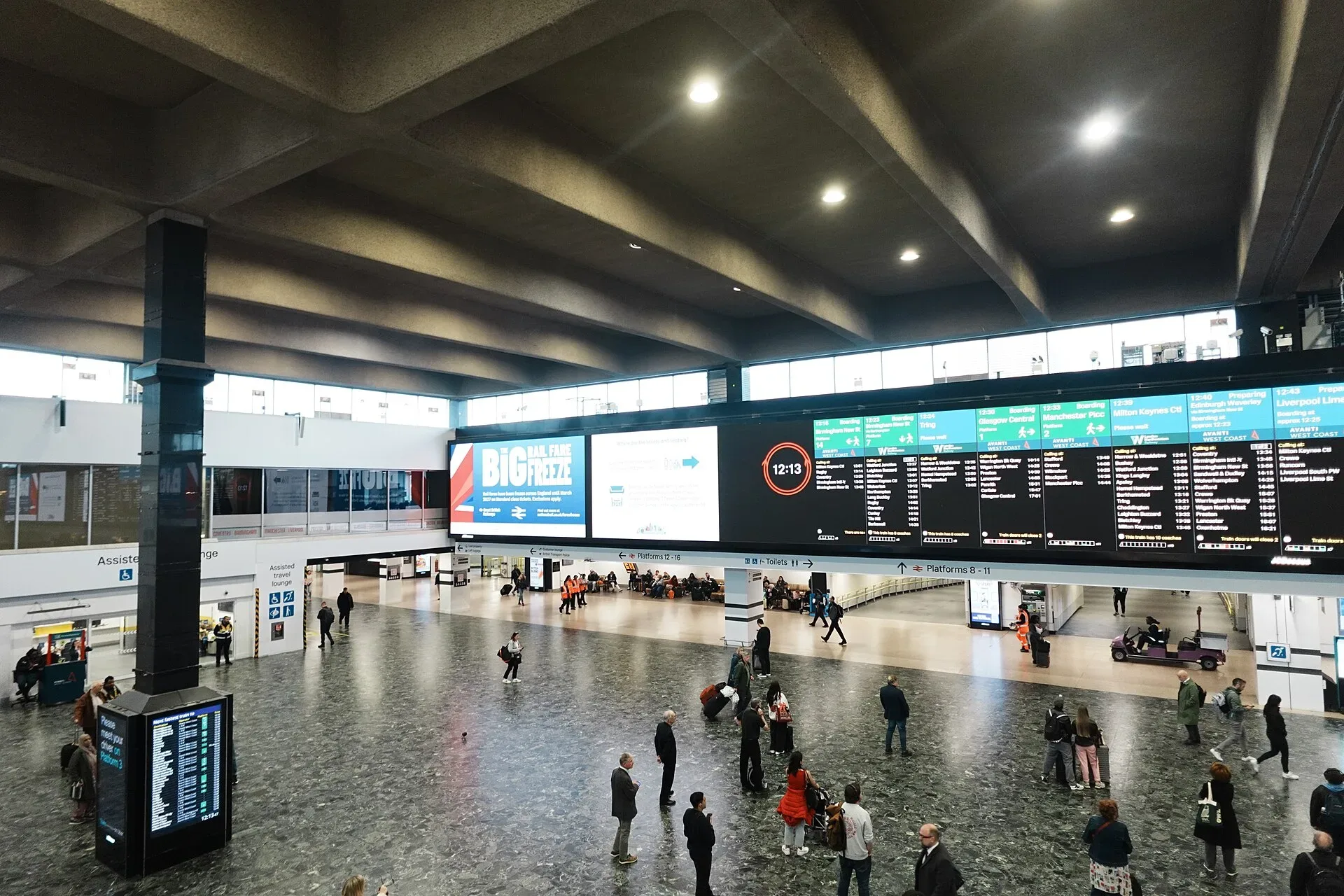
Two war memorial plaques honouring railway workers who served in the First and Second World Wars have returned to London Euston, more than two decades after they left the station, in time for this year's Armistice Day.
The plaques, which bear the names of 24 railway colleagues whose working lives were interrupted by war, have been installed on Euston's main concourse, Network Rail announced on 10 November. Euston is the London terminus for Avanti West Coast trains from Birmingham New Street, so many of the city's travellers will pass them.
A team effort to bring them home
The return followed a collaborative effort involving Network Rail, Avanti West Coast and the Royal British Legion National Remembrance Gardens, which had cared for the plaques while they were away from the station. It began when Tracey Fisher MBE, Archive and Historic Records Director for Intact Insurance, contacted railway staff about bringing the memorials back.
"It has been a real privilege to be involved in bringing these memorials to their new home at Euston," she said. "Through researching the names recorded on them, I've been able to uncover some of the personal stories behind the inscriptions, reminding us that these are not simply names cast in metal, but people who had families, colleagues, hopes and futures."
Dick Woodgate's story
Among those remembered is Richard Jonathan "Dick" Woodgate, who worked as a railway clerk before serving as a driver with 133 Field Ambulance, Royal Army Service Corps, in the Second World War. He was captured near Dunkirk and taken to a prisoner-of-war camp in Poland, where it is understood he died from tuberculosis on 22 May 1941, aged just 22. More than 85 years later, his family have shared a photograph of him to help bring his story to life.
Tom Barry, Station Transformation Programme Manager at London Euston for Network Rail, said: "There is something incredibly special about bringing these plaques back to Euston. They commemorate people from our railway who served their country, so it feels absolutely right that their stories and service should be remembered here."
"Behind every name on these plaques is a person, a family and a story," he said. "Thousands of people travel through Euston every day, and I hope the memorials encourage people to stop for a moment."
The railway's war
Railway workers served in huge numbers in both world wars, and many stations still carry memorials to colleagues who did not come home. Andy Mellors, managing director at Avanti West Coast, said the project highlighted "the important link that rail has to the Armed Forces".
The team at Euston holds an annual Armistice Day service, marking the moment at 11am on 11 November when the guns fell silent in 1918. For passengers rushing for a train, the returned plaques are an invitation to pause, if only for a moment, and remember.
More in National
All
Latest news
Featured posts
-
Things to do
Top 10 places to visit in Birmingham
-
Food and drink
The 12 most popular food spots in Birmingham
-
Things to do
The best laser tag locations in Birmingham