

Blue plaques can now honour 'hidden heroes' whose homes and workplaces have been demolished
New rules open the national scheme to people linked to lost venues, cleared streets and closed factories, and nominations are open now.
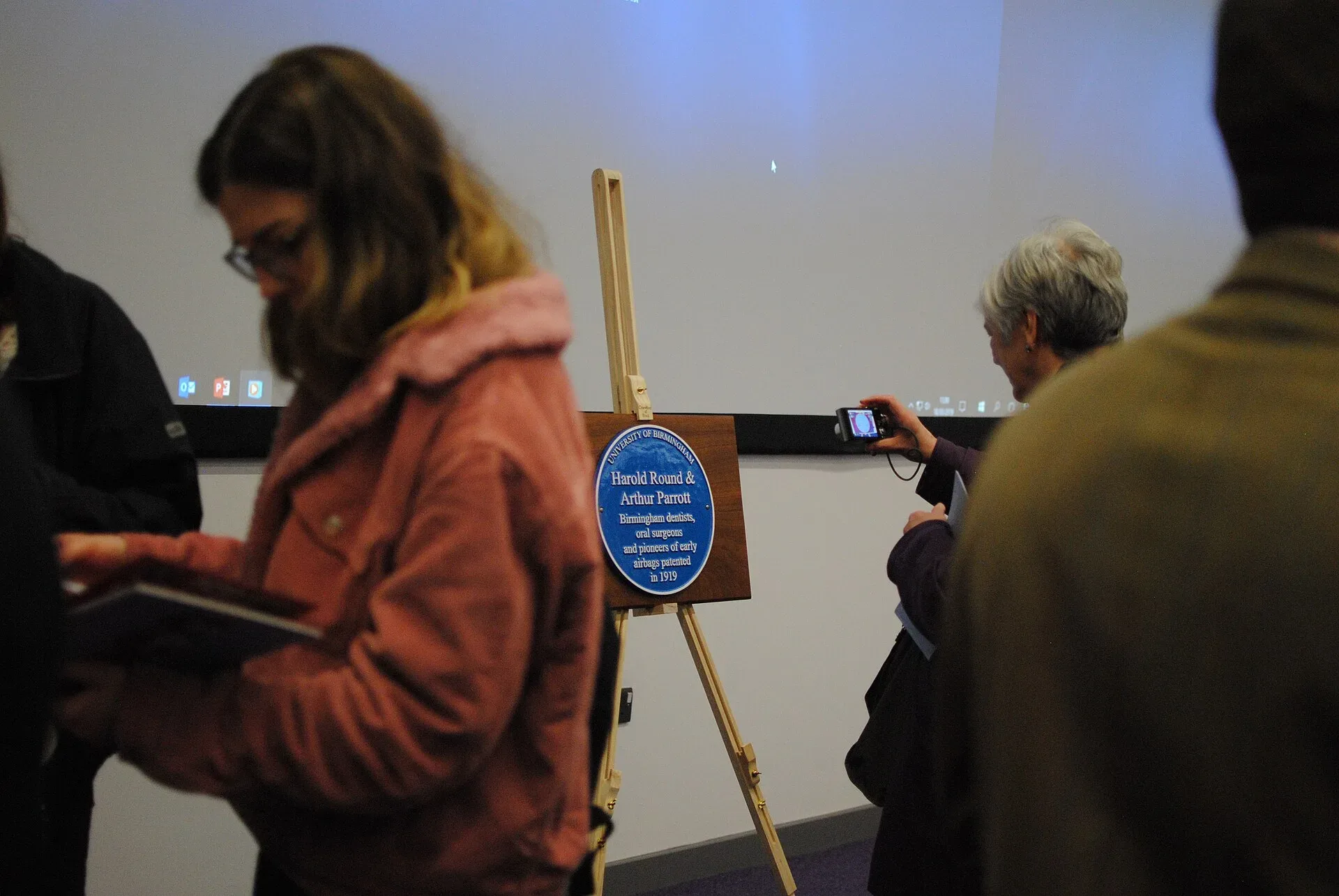
Blue plaques can now be put up for people whose homes, workplaces or venues have since been demolished or changed beyond recognition, under new rules that the government says will help celebrate more of England's "hidden heroes".
The change to the National and Greater London Blue Plaque schemes was announced on 12 November, and public nominations for a National Blue Plaque are now open on Historic England's website.
What has changed
Until now, a person or group had to be connected to a building that still existed and had not been altered beyond recognition. That ruled out many people whose stories are tied to terraced streets that were cleared, factories that closed, or music venues that disappeared.
Under the new criteria, plaques can be placed on buildings that have been substantially altered or replaced, including homes, shops, workplaces, community buildings and streets. The government says this will open the scheme to people connected to lost music and performance venues, former residents of demolished homes, and workers and innovators linked to former factories and workshops.
The test for who qualifies stays the same. A person or group must have significantly contributed to human welfare or happiness or made an exceptional contribution to their field. A person must have been dead for at least 20 years, or a group must have formed at least 20 years ago and no longer exist.
"Ordinary, extraordinary people"
Culture Secretary Lisa Nandy said: "Throughout our history, it has been ordinary, extraordinary people who have built our country and created lasting change."
"From millworkers who fought for fair wages, safe working conditions and the rights of women to the Windrush generation who helped shape our NHS, transport, manufacturing industries and more, too often their contributions have been airbrushed from our national story," she said. "I hope people across the country will come forward and nominate the people whose contributions are a vital part of our national story."
Historian Professor David Olusoga said: "English history has been shaped by women as well as men, by the poor as well as the wealthy and by people across England and not just those who lived in London."
The government has given Historic England £100,000 this year to support the programme, including grants for community groups researching nominations that address historic under-representation and improve geographical reach.
Birmingham's hidden heroes
The change could matter a great deal in Birmingham, a city that has rebuilt itself again and again. Many of the places linked to its pioneers, from back-to-back courts and workshops to long-gone clubs and dance halls, have disappeared. Birmingham already has many blue plaques of its own, such as the one unveiled in 2019 to Harold Round and Arthur Parrott.
Historic England's Ellie Djerir said: "Every community has people whose stories deserve to be remembered, but some of the buildings connected to them no longer stand." Anyone with a Birmingham name in mind, whether a factory worker who changed things, a musician or a community campaigner, can nominate them now through Historic England's website.
More in National
All

Latest news
Featured posts
-
Things to do
Top 10 places to visit in Birmingham
-
Food and drink
The 12 most popular food spots in Birmingham
-
Things to do
The best laser tag locations in Birmingham