
Powerful earthquake shakes Panama, damaging homes, schools and hospitals
The magnitude 7.7 quake struck the Azuero Peninsula, injuring at least 27 people and triggering a tsunami warning.
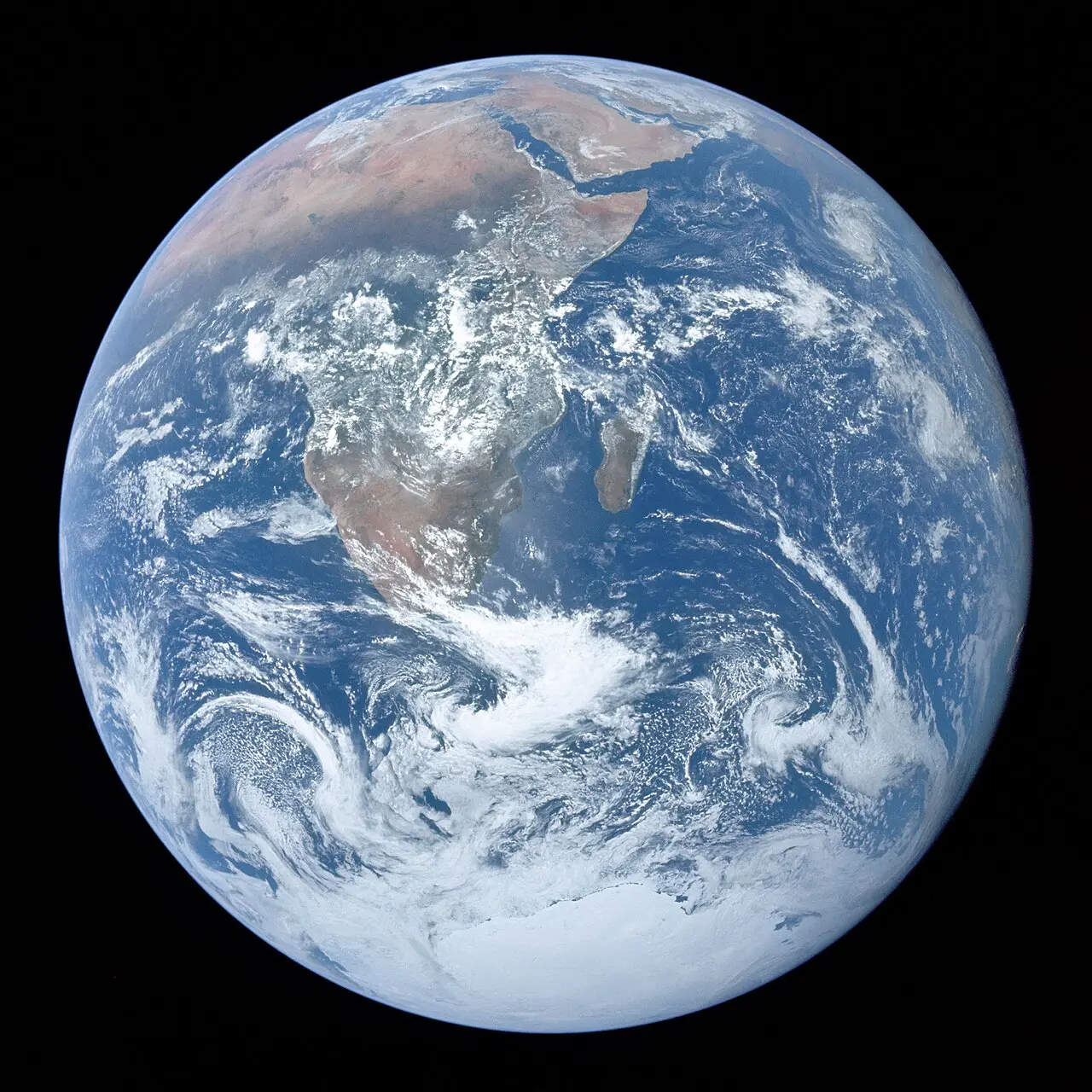
A powerful magnitude 7.7 earthquake has struck Panama, collapsing buildings, injuring at least 27 people and prompting a tsunami warning along the Pacific coast of Central and South America.
The earthquake hit at 12:56pm local time on Friday 9 October, 6:56pm in the UK, with its epicentre in the south of Herrera Province on the Azuero Peninsula, according to the United States Geological Survey. It struck at a shallow depth of about 12.6km, which tends to make shaking at the surface more intense.
Tsunami warning
Within minutes, the US National Weather Service issued a tsunami warning covering Colombia, Ecuador and much of the Pacific coast of Central America. In Los Santos Province, around 300 people were evacuated because of fears of a tsunami.
The damage
In Panama City, buildings shook and hundreds of people poured into the streets. The earthquake was also felt in Costa Rica and in several cities in Colombia.
A hotel and several homes collapsed in Tonosi. Early reports listed damage to at least 142 homes, 188 schools, 20 health facilities, 26 government buildings, 13 churches, seven hotels and nine bridges, as well as water treatment plants and roads across the country. Several communities in Veraguas were cut off after roads collapsed, and a landslide isolated a community in Herrera.
The injured included 17 people in Cocle, six in Los Santos, two in Panama Oeste and one each in Herrera and Veraguas. Power cuts affected six of Panama's provinces, and Tocumen International Airport, the country's main airport, suspended operations while safety checks were carried out.
Aftershocks
Seismologists at the University of Panama recorded more than 80 aftershocks, most too weak to be felt. The largest, of magnitude 6.6, struck about two and a half hours after the main quake.
Why Panama shakes
Panama sits where several of the Earth's tectonic plates meet. To the north-west, the Cocos plate is being pushed beneath the Caribbean plate; to the south-east, the Nazca plate is also being pushed down beneath the region. Central Panama lies on a small plate of its own, and faults across the Azuero Peninsula carry sideways, or strike-slip, movement, the kind of motion that caused this earthquake.
The canal
The Panama Canal, through which a significant share of world trade passes, lies in the centre of the country, well to the north-east of the epicentre. Any disruption to it can affect shipping and supply chains worldwide, which is why the authorities check it closely after any large earthquake.
Advice for travellers
The Foreign, Commonwealth and Development Office advises British nationals in an area affected by an earthquake to follow the advice of the local authorities, to be prepared for aftershocks, and to contact friends and family to let them know they are safe. Anyone worried about a relative in Panama can contact the FCDO.
More in World
All

Latest news
Featured posts
-
Things to do
Top 10 places to visit in Birmingham
-
Food and drink
The 12 most popular food spots in Birmingham
-
Things to do
The best laser tag locations in Birmingham