
France deploys 70,000 police to head off weekend unrest
The government admits it "lost control" of rioting last Saturday, as cost-of-living protests are also planned in Italy, Spain, Portugal and Ireland.
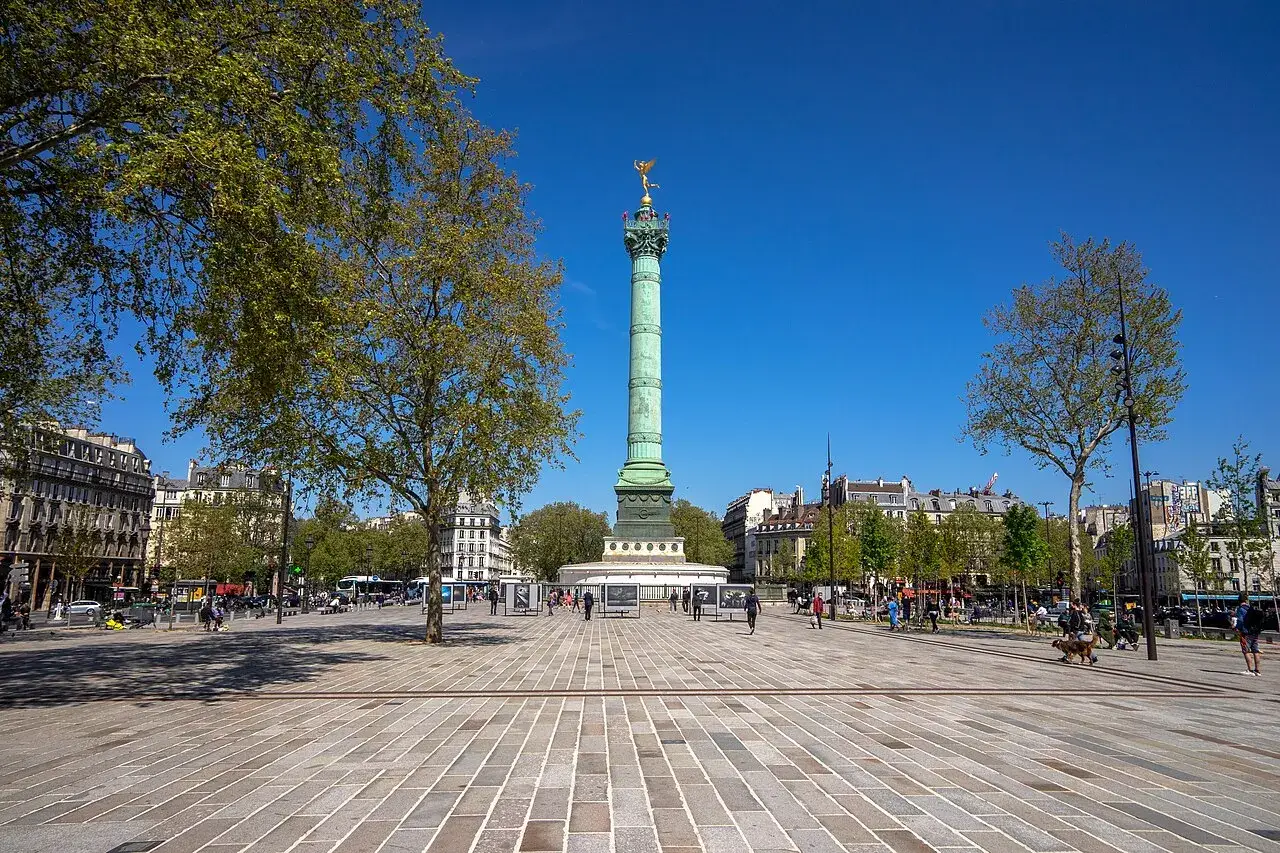
France is deploying about 70,000 police across the country on Saturday to try to prevent a repeat of last weekend's rioting, some of the worst street violence the country has seen in years.
The interior minister, Laurent Nuñez, said the security forces would include elite units normally used for counter-terrorism and hostage rescue, after social media calls for violence from what he called "ultra-left" groups. Water cannon, armoured vehicles, mounted police, helicopters and drones will also be used.
"We are not talking about a peaceful, friendly demonstration," he said after a meeting chaired by President Emmanuel Macron. "We are ready tomorrow to be extremely firm and not tolerate anything."
"Lost control"
The government has admitted it "lost control" last Saturday, when largely peaceful cost-of-living protests were hijacked by rioters. There was widespread violence and looting in Paris, Marseille, Lyon and other cities, and in Limoges the town hall was set on fire and partly destroyed. The justice minister, Gérald Darmanin, said 217 people, half of them first-time offenders, had been jailed since.
The unrest has caught Mr Macron's government off guard six months before the presidential election to choose his successor.
Bans and challenges
Several cities have banned demonstrations or changed their routes to protect shops and public buildings, and the centre of Lyon will be off limits to protesters. In Paris, a union march has been allowed on a limited route between the Place de la Bastille and the Place de la Nation, away from the city centre. Requests for rallies from the main student union, UNEF, and the gilets jaunes movement were refused, though UNEF said its protests would go ahead anyway. The Louvre and several other cultural institutions in Paris said they would close.
Union leaders and opposition politicians have criticised the bans, which are being challenged in court in several cities. "It's not for the president to decide who can legitimately protest," said Marylise Léon, general secretary of the CFDT union federation.
Heavy rain and strong winds forecast for Saturday could keep numbers down.
Protests across Europe
The French protests are part of a wider wave of anger across Europe over declining public services, the cost of housing, public spending cuts and the rising cost of living. Protests have also been called for Saturday in Milan, Rome and Turin in Italy, Vienna in Austria, Madrid, Barcelona and other Spanish cities, Lisbon and Porto in Portugal, Dublin in Ireland and Tirana in Albania.
Adding to the tension, the far-right leader Marine Le Pen, the frontrunner in next spring's presidential election, is holding her National Rally party's congress in Orléans this weekend, expected to draw thousands of supporters and counter-protesters.
On Friday, one person was killed and four others injured, including a 12-year-old girl, in a shooting in Trappes, west of Paris, in an attack police said could have been racially motivated.
British travellers heading to France this weekend are advised to avoid demonstrations, follow the instructions of the local authorities and check the Foreign Office's travel advice before setting off.
More in World
All
Latest news
Featured posts
-
Things to do
Top 10 places to visit in Birmingham
-
Food and drink
The 12 most popular food spots in Birmingham
-
Things to do
The best laser tag locations in Birmingham