
Pound hits ten-year high as rates rise to 4%: what it means for savers, borrowers and holidaymakers
Sterling is at its strongest since the Brexit referendum, the same week the Bank of England made its first rate rise since 2023.
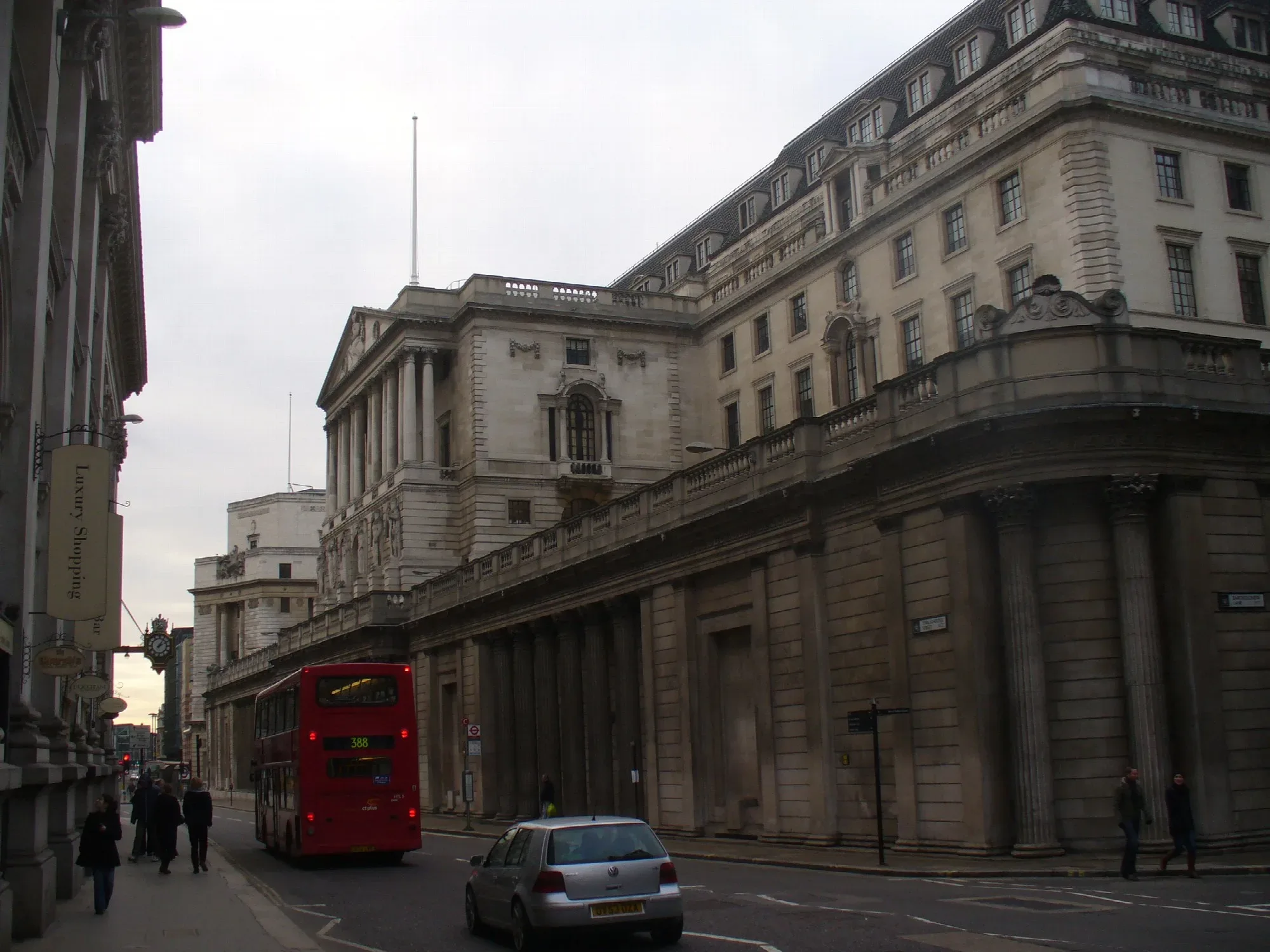
The pound has climbed to its highest overall level since the Brexit referendum ten years ago, the BBC reports, in the same week that the Bank of England raised interest rates for the first time in more than three years. For Birmingham households the two pieces of news pull in different directions, so here is what each one means.
A ten-year high for sterling
The most closely watched measure of the pound, its value against a basket of 18 of the world's main currencies, reached its joint highest level since June 2016 this week, according to Bank of England figures. It stood at 86.4 on an index where 100 equals its value in 2005.
The pound fell sharply after the referendum and hit further lows during the Brexit process, the Covid pandemic and the 2022 mini-Budget. Traders say the UK is now being seen in a different light, citing relative political stability, solid growth and closer relations with the European Union. Growth this year has outperformed all forecasts.
Jim O'Neill, the economist and former Treasury minister, told the BBC: "I'm not surprised. People were, and to a lesser extent, are, underestimating the improving momentum in the UK."
A stronger pound helps in two ways. It makes imported goods, from fuel to food, cheaper, which helps hold down inflation. And it gives people more for their money abroad: on Thursday morning a pound bought about $1.35 or €1.20, good news for anyone booking a holiday or a Christmas market trip to Europe.
Rates rise to 4%
On Thursday the Bank of England raised its base rate from 3.75% to 4%, the first increase since August 2023. The aim is to stop higher oil prices, driven by the war between the US and Iran, from pushing up prices across the economy. Inflation was 3.5% in the year to September, and the Bank now expects it to peak at 4.9% in the middle of next year before returning to its 2% target in 2028.
The governor, Andrew Bailey, said the decision "shouldn't be seen as the first in an inevitable long sequence of hikes", but warned that "unless the conflict in the Middle East is resolved, neither does it seem likely to be the last increase".
What it means for you
Savers should see better returns, as banks pass on higher rates. It is worth checking what your account pays and shopping around.
Homeowners on fixed-rate mortgages will see no change until their deal ends. According to UK Finance, about 510,000 people on tracker mortgages will see repayments rise by around £31 a month. For those on variable deals, a 0.25 percentage point rise typically adds about £14 a month, depending on how their lender responds.
Borrowers on credit cards and loans may see costs edge up, so paying down expensive debt is sensible where possible.
The Bank also said there was "limited evidence" so far of higher fuel costs being passed on in goods such as food, with some firms absorbing increases. Together with the stronger pound, that gives some hope that price rises in the shops can be kept in check.
The bigger picture
The picture is mixed but not gloomy. The UK economy is growing faster than expected and the currency is the strongest it has been in a decade. The main risk, the Bank says, comes from events in the Middle East that are outside Britain's control.
More in Economy
All
Latest news
Featured posts
-
Things to do
Top 10 places to visit in Birmingham
-
Food and drink
The 12 most popular food spots in Birmingham
-
Things to do
The best laser tag locations in Birmingham