
Needle-free Strep A vaccine moves a step closer in UK research
Scientists at the medicines regulator found a vaccine given through the nose or under the tongue produced strong immune responses in mice.
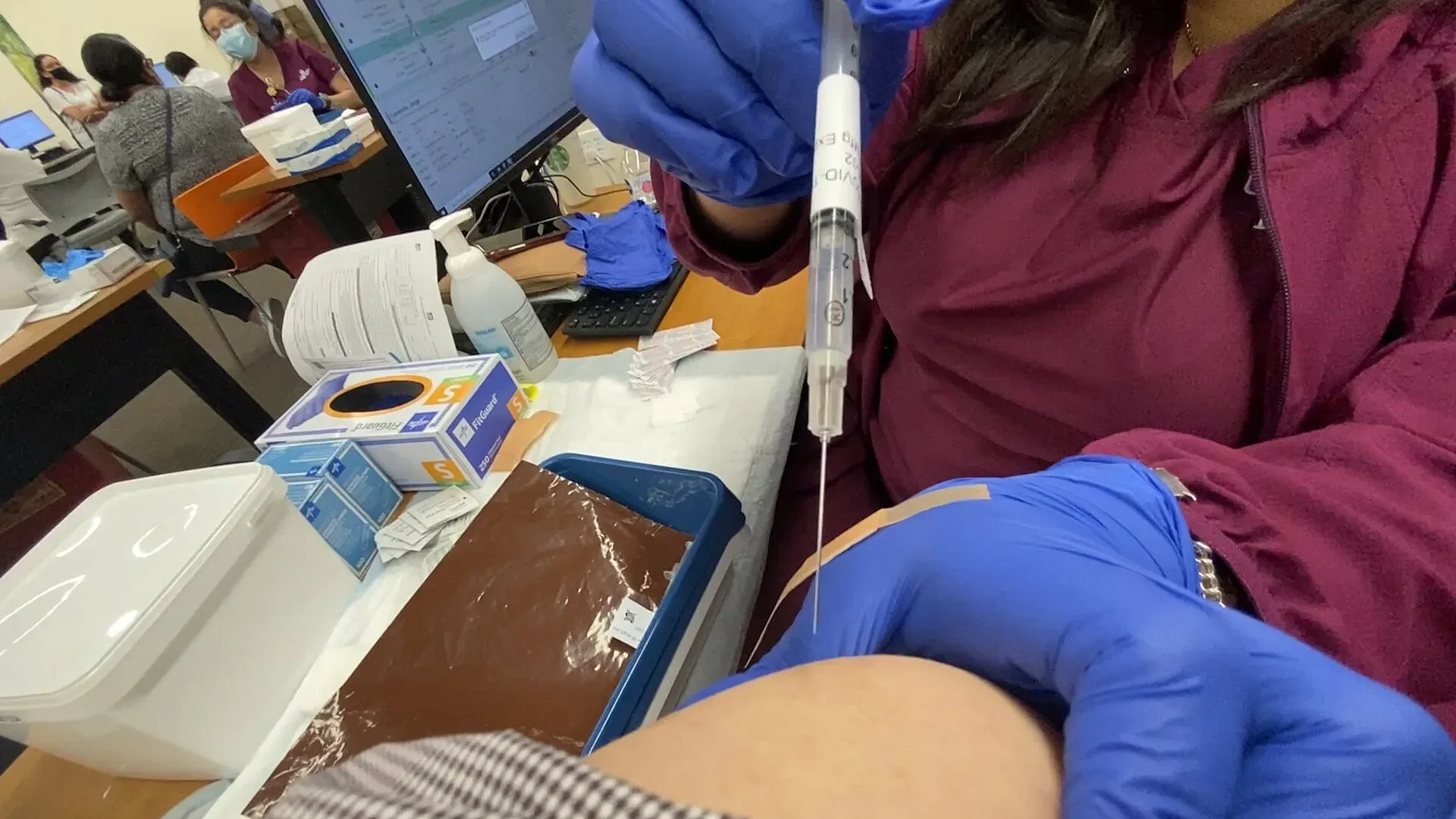
A vaccine against Strep A, the bacterium behind sore throats, scarlet fever and rarer but dangerous invasive infections, has moved a step closer, and it might one day be given without a needle.
Scientists at the UK's medicines regulator, the MHRA, working with the GSK Vaccines Institute for Global Health, have published research showing that an experimental vaccine delivered through the nose or under the tongue produced strong immune responses in tests.
No vaccine yet
There is currently no licensed vaccine for Strep A, even though it causes hundreds of millions of infections around the world. The MHRA estimates there are more than 600 million Strep A infections globally each year, and that complications are responsible for more than 500,000 deaths.
Most Strep infections are mild, but serious complications can lead to long-term disability or death, particularly in low- and middle-income countries, where the burden of disease is heaviest.
Tiny bubbles from bacteria
The vaccine uses a technology called GMMA, short for Generalised Modules for Membrane Antigens. These are tiny bubbles that bacteria shed naturally. In the vaccine they do two jobs: they carry a Strep A carbohydrate that the immune system learns to recognise, and they boost the body's immune response.
Most vaccines focus on producing antibodies in the bloodstream. This one also targets immunity in the lining of the nose and throat, which is where Strep A first takes hold, while still producing a wider response throughout the body.
"Affordable, needle-free vaccines"
Dr Fatme Mawas, head of conjugate vaccines at the MHRA, said: "This research highlights the potential of GMMA technology to support a new generation of affordable, needle-free vaccines. By delivering a Strep A vaccine through the nose or under the tongue, we showed that strong immune responses were generated both at the mucosal surfaces where infection begins and throughout the body, supporting protection against invasive disease."
She added: "This approach could make vaccines easier to administer and more accessible globally, particularly in low- and middle-income countries where the burden of Strep A disease is greatest. By preventing infections before they occur, vaccines can also help reduce antibiotic use and support efforts to tackle antimicrobial resistance."
Early days
The findings come with an important caveat: the work was carried out in mice, so it is pre-clinical research, and any vaccine would need years of testing in people before it could be used. The paper was published this month in the journal Human Vaccines and Immunotherapeutics.
Still, the potential is significant. Strep A is a familiar worry for parents during the winter months, when sore throats and scarlet fever spread through schools and nurseries. A vaccine that could be given as a nasal spray or drops, without needles, would be easier to give to children and cheaper to roll out around the world.
The study is part of the MHRA's wider research into vaccine science and new ways of delivering vaccines.
More in Health
All


Latest news
Featured posts
-
Things to do
Top 10 places to visit in Birmingham
-
Food and drink
The 12 most popular food spots in Birmingham
-
Things to do
The best laser tag locations in Birmingham