
Mars Odyssey finds water ice
Large amounts of ice lie in the top metre of soil around the planet's south pole.
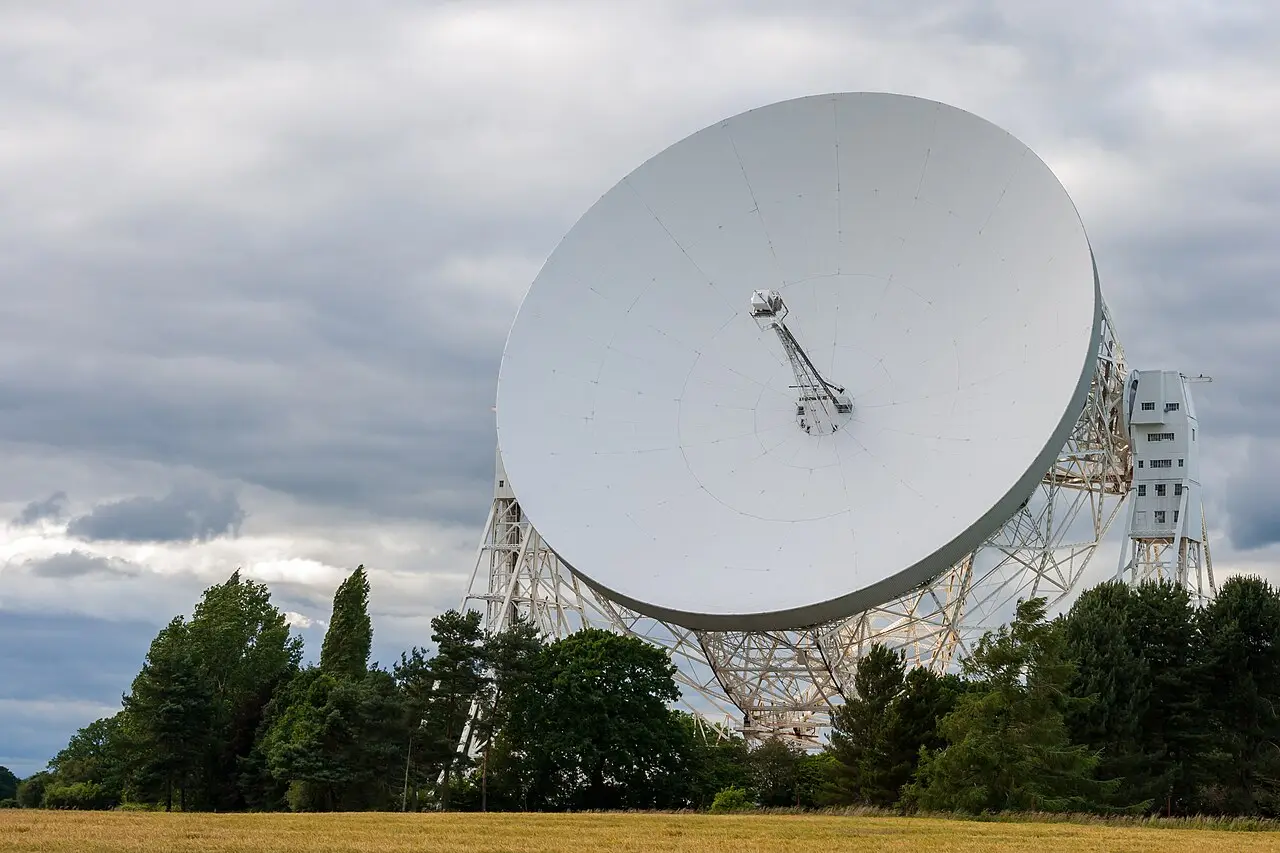
A NASA spacecraft orbiting Mars has found evidence of large amounts of water ice just below the surface of the planet.
Scientists announced the discovery on 28 May, after studying data from the Mars Odyssey probe, which has been in orbit around the planet since last October.
Ice beneath the surface
Instruments on the spacecraft detected hydrogen in the top metre of soil across large areas around the planet's south pole. Scientists believe the hydrogen is in the form of water ice, mixed with the soil.
In some places, the ice may make up more than half of the soil by volume. The researchers described the amount of ice as huge, and said there could be enough to fill Lake Michigan twice over in the areas studied so far.
The findings were made using a gamma ray spectrometer, which measures radiation given off by the surface when it is struck by cosmic rays.
Why water matters
Water is essential for life as we know it, and scientists have long wondered whether Mars, which was once warmer and wetter, might have supported life in the past, or even today.
Earlier missions found evidence of ancient river channels and flood plains, suggesting that water once flowed on the surface. But the planet is now cold and dry, with a thin atmosphere, and liquid water cannot survive on the surface for long.
Future exploration
The discovery could be important for future missions. Water ice could one day be used by astronauts to provide drinking water and oxygen, and to make rocket fuel for the return journey.
NASA plans to send two rovers to Mars next year, and the European Space Agency is preparing its Mars Express mission, which will carry a British lander, Beagle 2, designed to search for signs of life.
A successful mission
Mars Odyssey is one of the most successful missions to the planet. It follows two failed NASA missions in 1999, the Mars Climate Orbiter and the Mars Polar Lander.
Scientists say the ice discovery is one of the most important findings about Mars, and that the planet continues to surprise them.
More in Science
All


Latest news
Featured posts
-
Things to do
Top 10 places to visit in Birmingham
-
Food and drink
The 12 most popular food spots in Birmingham
-
Things to do
The best laser tag locations in Birmingham