
Mark Carney becomes Bank of England governor
The Canadian is the first foreigner to lead the Bank in its 319-year history.
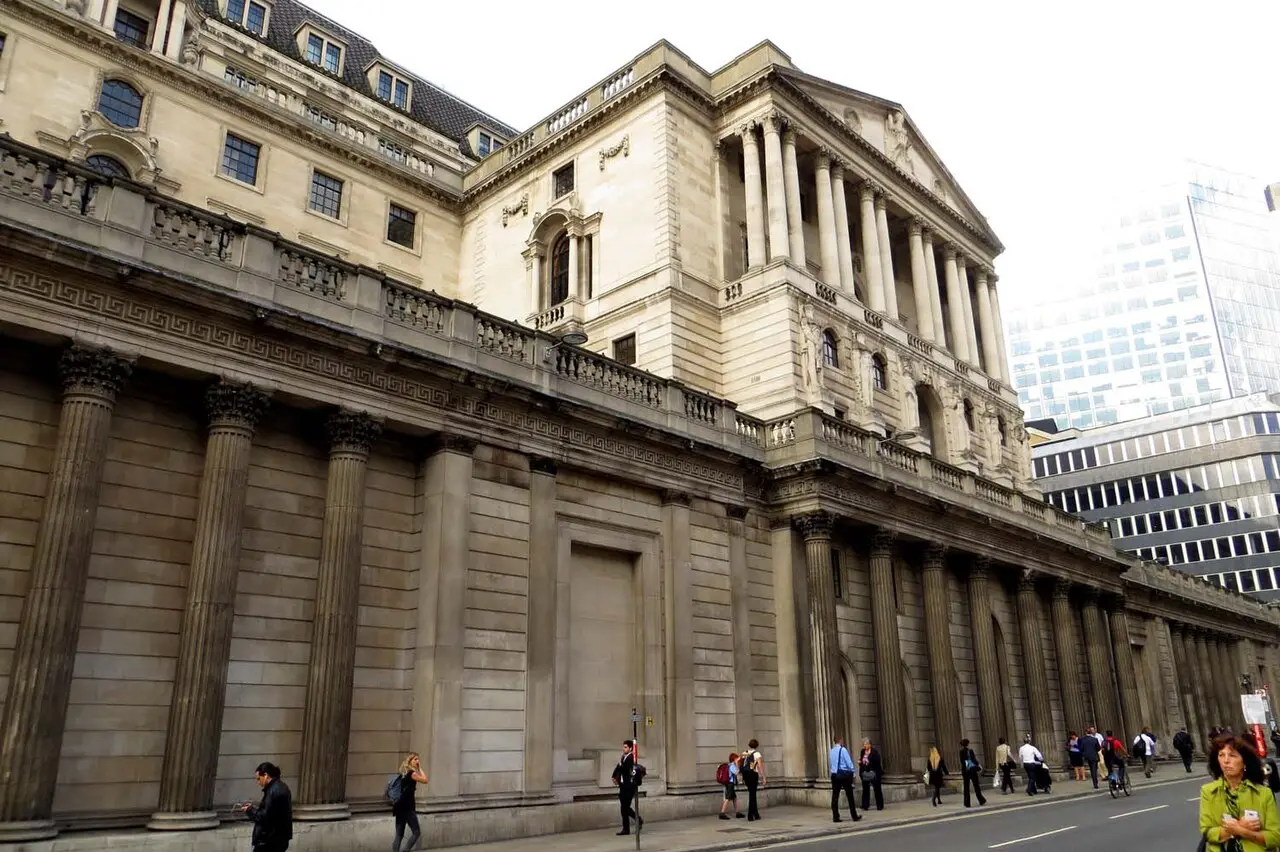
Mark Carney has taken over as Governor of the Bank of England, the first foreigner to lead the central bank in its 319-year history.
The Canadian, who previously ran the Bank of Canada, began work on 1 July, succeeding Sir Mervyn King, who served for ten years.
Who is Mark Carney?
Carney, 48, was born in Canada and studied economics at Harvard and Oxford. He spent 13 years at the investment bank Goldman Sachs before joining the Canadian government and then becoming Governor of the Bank of Canada in 2008.
He is widely credited with helping Canada come through the financial crisis in better shape than many other countries, and chairs the Financial Stability Board, which coordinates international banking regulation.
His appointment was announced by the Chancellor, George Osborne, last November. Osborne described him as the outstanding central banker of his generation.
A bigger job
Carney takes over a Bank of England with more power than before. As well as setting interest rates, it has taken on responsibility for regulating banks and insurers, after the Financial Services Authority was abolished in April.
The challenges
Carney faces the task of supporting a British economy that has been slow to recover from the financial crisis. Interest rates have been at a record low of 0.5 per cent since 2009, and the Bank has created £375 billion through quantitative easing.
Growth has been weak and inflation above the 2 per cent target, putting pressure on household incomes.
Forward guidance
Carney is expected to introduce "forward guidance", a policy he used in Canada, in which the central bank gives a clear signal about how long interest rates are likely to stay low. The aim is to give businesses and households more confidence to spend and invest.
Pay
Carney's salary and pension allowance have attracted attention. His pay package is worth around £874,000 a year, much more than his predecessor.
A five-year term
Carney has agreed to serve for five years, rather than the usual eight, saying he wants to return to Canada.
His first meeting of the Monetary Policy Committee takes place this week, and markets are watching closely for any change in direction.
More in Economy
All


Latest news
Featured posts
-
Things to do
Top 10 places to visit in Birmingham
-
Food and drink
The 12 most popular food spots in Birmingham
-
Things to do
The best laser tag locations in Birmingham