
London start-up among those working to quieten the buzz of delivery drones
As drone deliveries spread, engineers are designing enclosed rotors and tipless propellers to cut the noise.
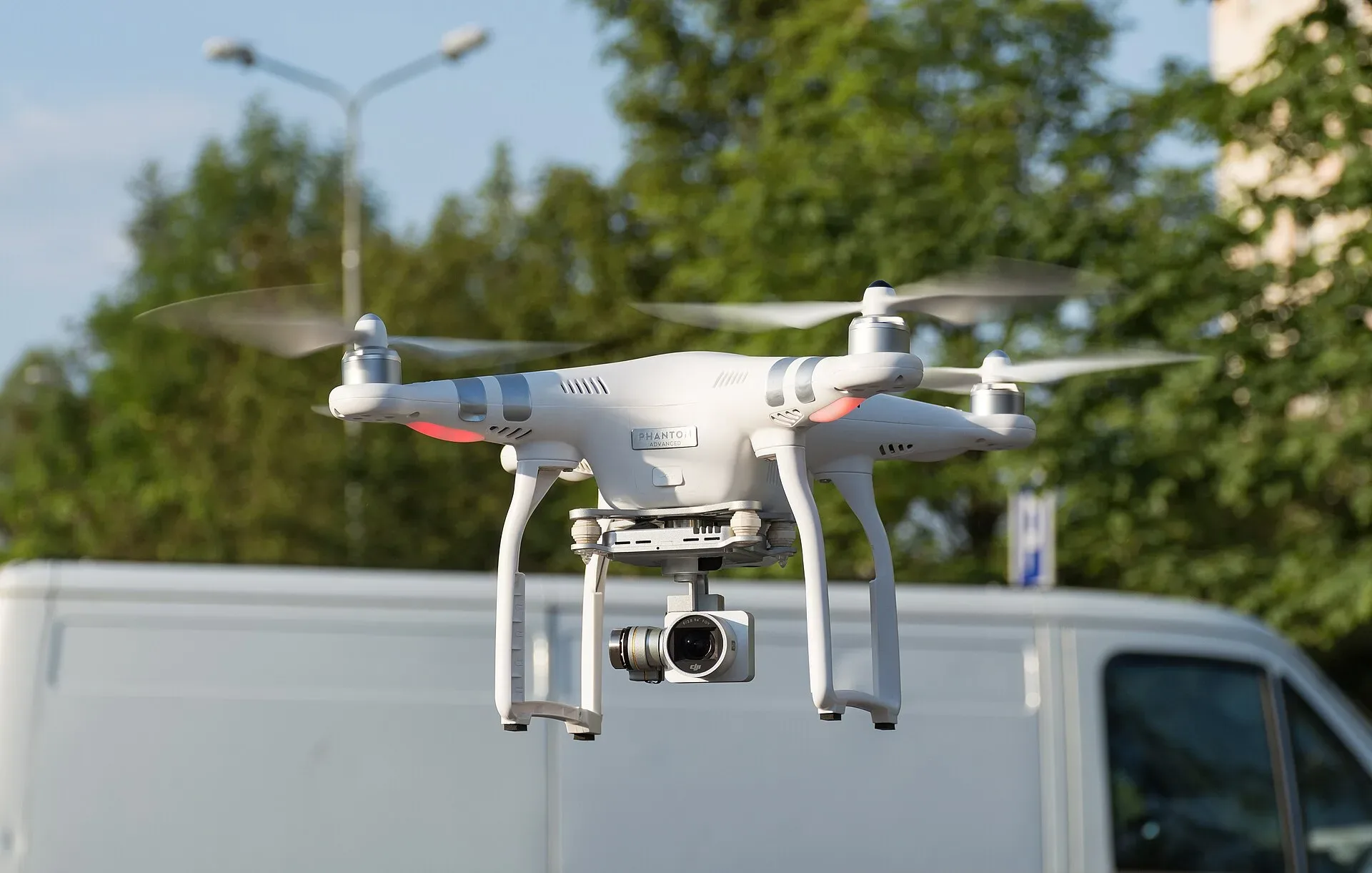
As delivery drones become a more familiar sight overhead, engineers are racing to solve one of the biggest complaints about them: the noise. A London start-up is among those working on quieter designs, as Amazon's drone deliveries arrive in the north of England.
An "annoying buzz"
In parts of the United States, drones from companies including Amazon and Walmart are now a regular part of home deliveries. Amazon Prime Air is expanding its service to nearly 500 towns and cities there, carrying items that fit into a space the size of a shoe box, and it has also launched for customers in and around Darlington.
For some people living under the flight paths, the sound is the problem. One resident of a Dallas suburb told the BBC the drones "emit this very annoying buzz", and that she now spends much less time in her garden.
Antonio Torija Martinez, professor in acoustic engineering and psychoacoustics at the University of Salford, says the sound tends to be "particularly noticeable, even when overall sound levels are relatively low". Unlike planes, drones fly low and may pass directly over homes.
"They can expose communities that have not previously experienced significant aircraft noise, and who may therefore be more sensitive to changes in their local soundscape," he says.
A British answer
London-based Greenjets has designed a propulsion system it says can reduce drone noise by at least two thirds. Standard drones use open propellers that slice through the air and create a high-pitched buzz. Greenjets encloses its spinning blades inside a pod, which muffles the sound and directs it away from the ground. Slower rotor speeds and materials that reduce vibration help too.
The company set out to tackle both "noise level and the frequency of that noise," says Darren James, its future technologies lead. Its low-noise technology has already been used by police and harbour security teams in Germany, and by conservationists in Africa tracking poachers from the air.
Propellers without tips
In Detroit, Sharrow Engineering has taken a different route. Its founder, Greg Sharrow, realised most of a drone's noise came from the tips of its propeller blades, and designed a propeller with twisted, looped blades and no tips at all. "We have validated that the technology works in drone applications and that it is dramatically quieter," he says.
The delivery companies say they are working on it as well. Amazon says its latest designs use custom propellers "that produce almost half the perceived sound of the prior generation, with a milder tone". Drone maker Wing says it varies its flight paths so no single home or neighbourhood is repeatedly flown over.
Why it matters
Professor Torija Martinez warns that complaints are likely to grow as the drone sector expands. If drone deliveries become as common in British towns and cities as they are becoming in parts of the US, quieter designs like the ones being developed in London could make the difference between a welcome service and an unwelcome neighbour.
More in Technology
All
Latest news
Featured posts
-
Things to do
Top 10 places to visit in Birmingham
-
Food and drink
The 12 most popular food spots in Birmingham
-
Things to do
The best laser tag locations in Birmingham