
Japan's ancient supervolcano brought both collapse and growth
A study of the Kikai-Akahoya eruption 7,300 years ago finds some communities shrank, while others grew as survivors moved.
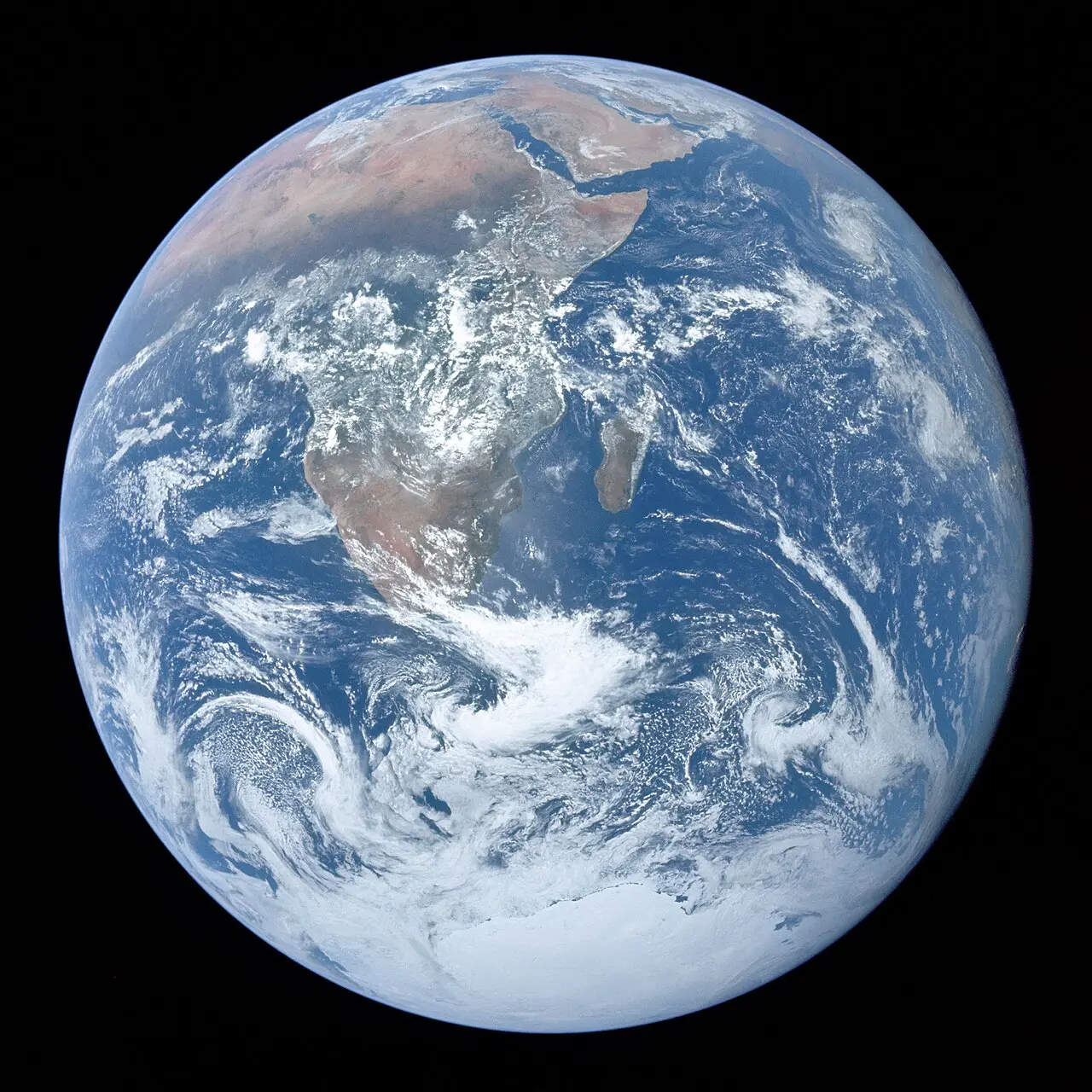
One of the largest volcanic eruptions of the past 10,000 years did not simply wipe out the people living near it, a new study has found. Instead, it set off a complex mix of decline, migration, adaptation and growth across Japan.
The Kikai-Akahoya volcano erupted beneath the sea south of Kyushu about 7,300 years ago, when Japan was home to Jomon hunter-gatherers.
"This eruption must have been devastating"
"This eruption must have been devastating, exploding out of the seabed with little warning," said Peter Jordan, professor of archaeology at Lund University in Sweden and senior author of the study. "It battered the Japanese islands with powerful earthquakes and enormous tsunamis, and then blanketed the landscape with metres of volcanic ash."
Archaeologists have long disagreed about what happened next. Some argued for an almost complete apocalypse near the volcano; others thought some communities survived nearby. The new study, published in Science Advances and led by Enrico Crema of the University of Cambridge, suggests neither picture is complete.
Different fates
In southern Kyushu, populations had already been shrinking before the eruption, and few people remained there when it struck.
In northern Kyushu, populations had been growing, and that growth continued through and after the disaster, even though the local ecosystems were badly damaged. The researchers think people fleeing the worst-hit areas may have boosted the numbers. Survivors who had lived inland appear to have moved towards the northern coast, where marine life recovered relatively quickly and offered new food sources.
"The disaster caused major loss of life. However, survivors migrated, forged new social relations, innovated new kinds of economy, and appear to have found creative ways to exist and later thrive in the new post-disaster conditions," Professor Crema said.
Effects far away
More surprisingly, the study found changes in parts of Japan far from the eruption, where populations had been growing but then stalled or fell. The researchers suggest the eruption may have disrupted the climate for a time, or affected the animals people hunted: deer and wild boar show severe tooth wear, possibly from grazing on ash-covered land.
How do you count ancient people?
Researchers estimate prehistoric population changes using the number and dates of archaeological sites and radiocarbon-dated remains: more people leave more traces. Combining many such records allows scientists to track how populations rose and fell across regions over thousands of years.
Lessons for today
Professor Jordan said the study showed that the effects of catastrophes are rarely simple. "Even in the most impossible situations, survivors and communities have choices, however limited: they need to act and make decisions; they need to adjust, collaborate, and find new connections and social networks."
Kikai remains an active volcanic system, and its caldera beneath the sea is closely monitored by Japanese scientists. A similar eruption today would affect millions of people in southern Japan.
More in Science
All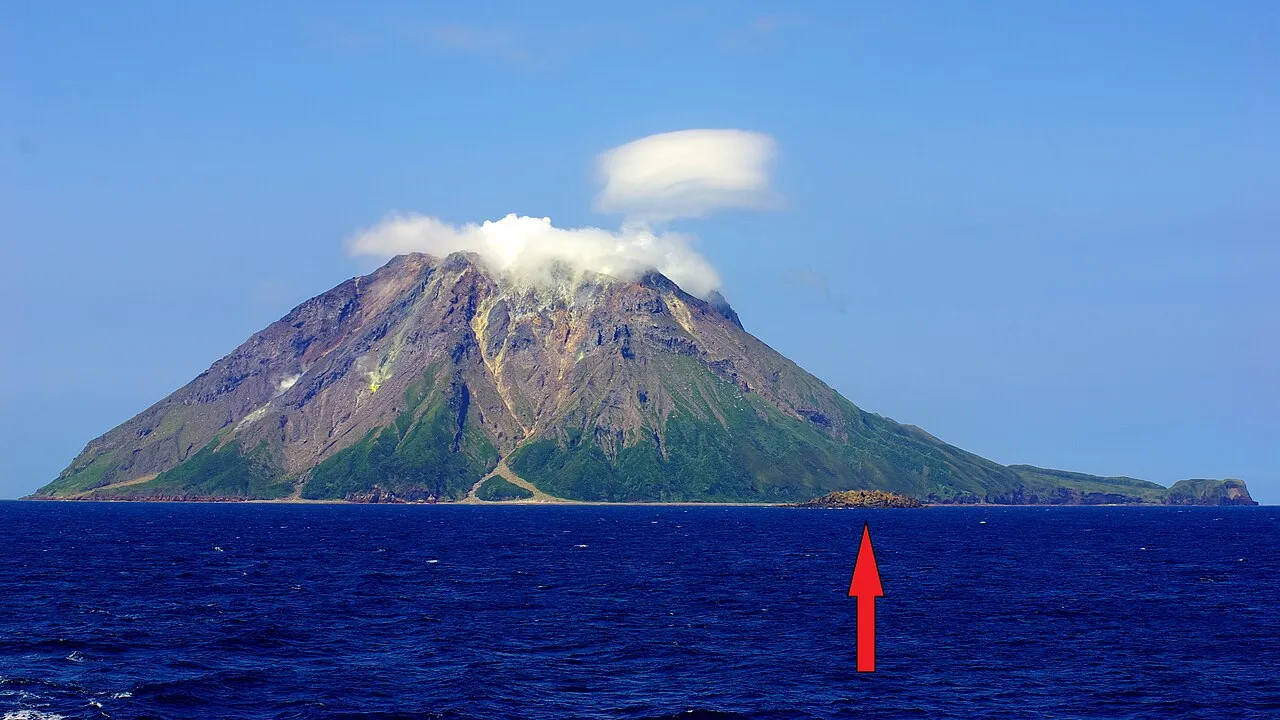

Latest news
Featured posts
-
Things to do
Top 10 places to visit in Birmingham
-
Food and drink
The 12 most popular food spots in Birmingham
-
Things to do
The best laser tag locations in Birmingham