
Hurricane Katrina floods New Orleans
Around 80 per cent of the city is under water after the levees fail.
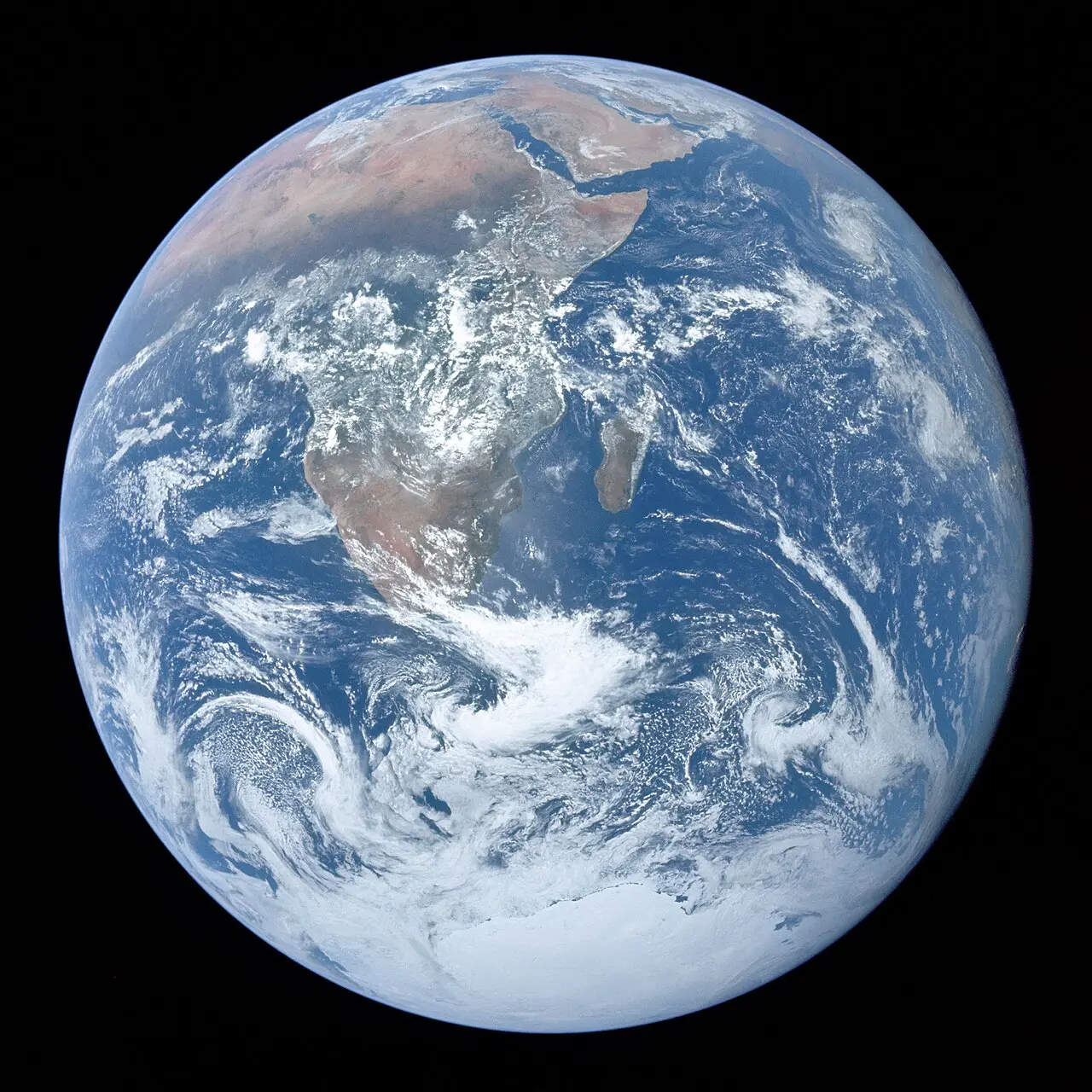
Hurricane Katrina has caused catastrophic damage along the coast of the southern United States, and much of the city of New Orleans has been flooded after its defences failed.
The hurricane made landfall in south-east Louisiana on the morning of 29 August, with winds of around 125 miles per hour, before moving on to Mississippi.
New Orleans under water
New Orleans, much of which lies below sea level, is protected by levees and flood walls. Several of these gave way under the pressure of the storm surge, and water poured into the city.
By 31 August, around 80 per cent of the city was flooded, in some places to a depth of several metres. Thousands of people who could not or did not leave before the storm are trapped in their homes, on rooftops and in the Superdome stadium, which was used as a shelter.
Conditions in the Superdome and the city's convention centre are desperate, with shortages of food, water and medical care.
Mississippi coast devastated
The coast of Mississippi has also been devastated. Towns including Biloxi and Gulfport have been largely destroyed by the storm surge, which reached more than eight metres in places.
Death toll
The number of people killed is not yet known, but officials fear it could run into the thousands.
Criticism of the response
The federal government and its emergency agency, FEMA, have been strongly criticised for the slow response. President George W Bush has promised help, and troops are being sent to restore order and assist with rescues.
Many of those left behind in New Orleans are poor and did not have cars to leave the city. The disaster has raised questions about poverty and race in America.
Oil prices
The hurricane has damaged oil platforms and refineries in the Gulf of Mexico, pushing up oil and petrol prices around the world, including in Britain.
British help
Britain has offered help, including food rations and emergency supplies. The Foreign Office is trying to trace British tourists who were in New Orleans when the storm struck.
A long recovery
It could take weeks to drain the water from New Orleans, and months or years to rebuild. Hundreds of thousands of people have been left homeless, and many may never return.
New Orleans is famous for its jazz, its food and its history, and people around the world, including musicians in Birmingham, have expressed their sympathy.
More in World
All
Latest news
Featured posts
-
Things to do
Top 10 places to visit in Birmingham
-
Food and drink
The 12 most popular food spots in Birmingham
-
Things to do
The best laser tag locations in Birmingham