
Healey to rule out capital gains tax rise in next week's budget
The chancellor believes a rise could cost the Treasury money, and is expected to raise more from the banks instead.
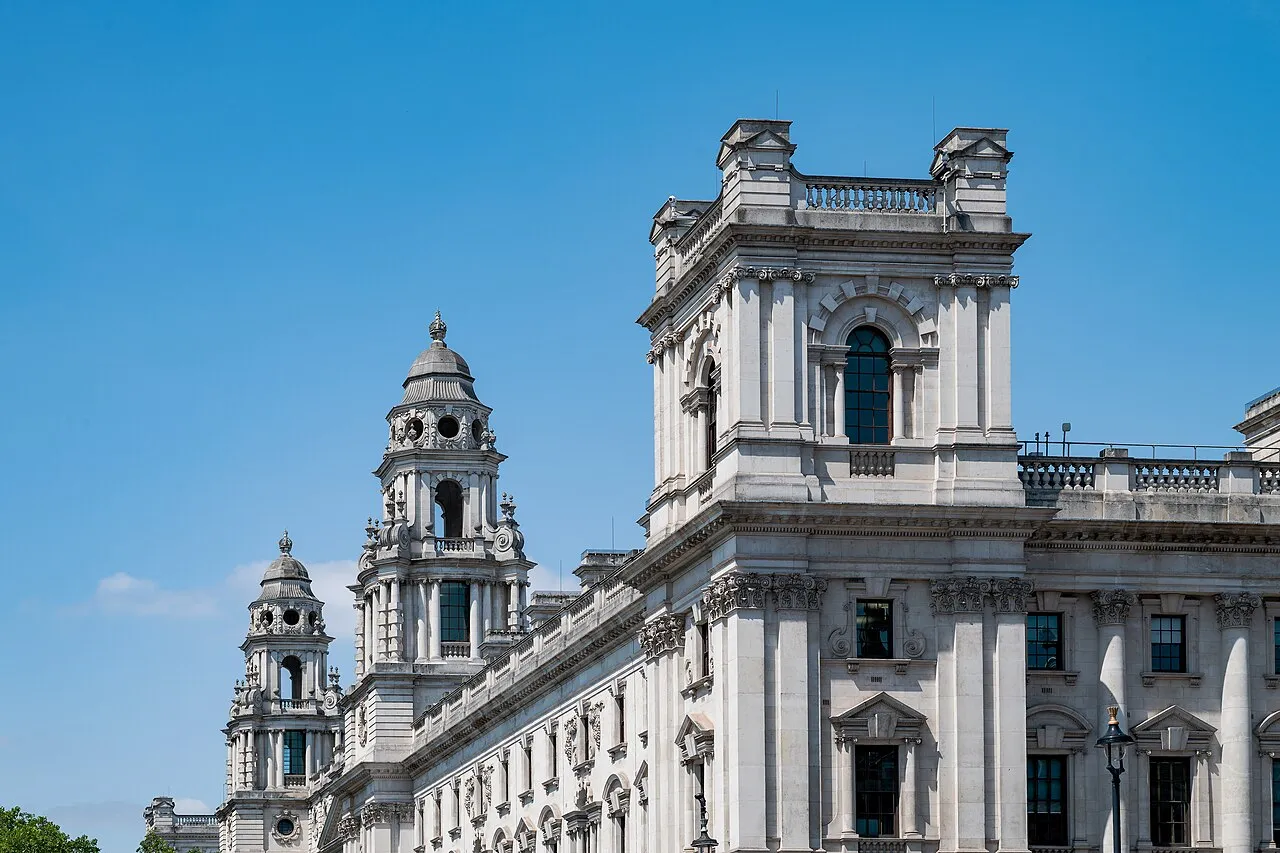
The chancellor, John Healey, will not raise capital gains tax in his budget next week, despite calls from senior cabinet colleagues to do so.
Treasury sources say Mr Healey has concluded that any increase could end up costing the Treasury money, because wealthy people might put off selling assets or move them out of the country.
Capital gains tax is charged on the profit people make when they sell something that has risen in value, such as a second home or shares. The decision was first reported by the Financial Times and the Times.
Banks in the frame
With capital gains tax ruled out, the chancellor's main way of raising money in the budget on 28 October is likely to be a higher tax on banks' profits. Lenders have enjoyed strong earnings as interest rates have risen, and the UK's four biggest banks, HSBC, NatWest, Barclays and Lloyds Banking Group, have made £200bn in pre-tax profits between them over the past five years.
In a speech last month, Mr Healey said he wanted to make wealth creation a priority rather than penalise it. "I recognise that the cost of business, that's energy bills, regulation burdens, planning constraints, labour costs, have grown since Covid. And I want to draw the line," he said.
"Whether it is the cost of business or the cost of living, the only way we deal with these in the long term is growth. I want to see this country as a country of wealth creation."
Cabinet colleagues wanted a rise
During the race to succeed Keir Starmer as prime minister, several senior Labour figures suggested bringing capital gains tax rates into line with income tax. They included Louise Haigh, now first secretary of state. Wes Streeting, now defence secretary, had called a rise a "wealth tax that works", arguing that the current system had widened the gap between earned and unearned income.
Less room for manoeuvre
Mr Healey is reported to be willing to accept a smaller cushion against the government's borrowing rules than the one left by his predecessor, Rachel Reeves. The cost of government borrowing has risen sharply in recent weeks, as it has in other big economies, and analysts have suggested this could halve the £24bn of headroom Ms Reeves had built up.
The Conservative leader, Kemi Badenoch, was due to use a speech on Tuesday to argue that the government should cut spending instead of raising taxes, including cuts to welfare and the civil service.
"We have to stop borrowing so much. But instead of doing that, Labour are taking out loans to pay the interest on our loans," she was expected to say. "Any family or business in that position would know they were sinking. The right way is to bring spending down now."
The budget on 28 October will be Mr Healey's first as chancellor.
More in Economy
All


Latest news
Featured posts
-
Things to do
Top 10 places to visit in Birmingham
-
Food and drink
The 12 most popular food spots in Birmingham
-
Things to do
The best laser tag locations in Birmingham