
First rise in interest rates for a decade
Rates go up from 0.25 per cent to 0.5 per cent.
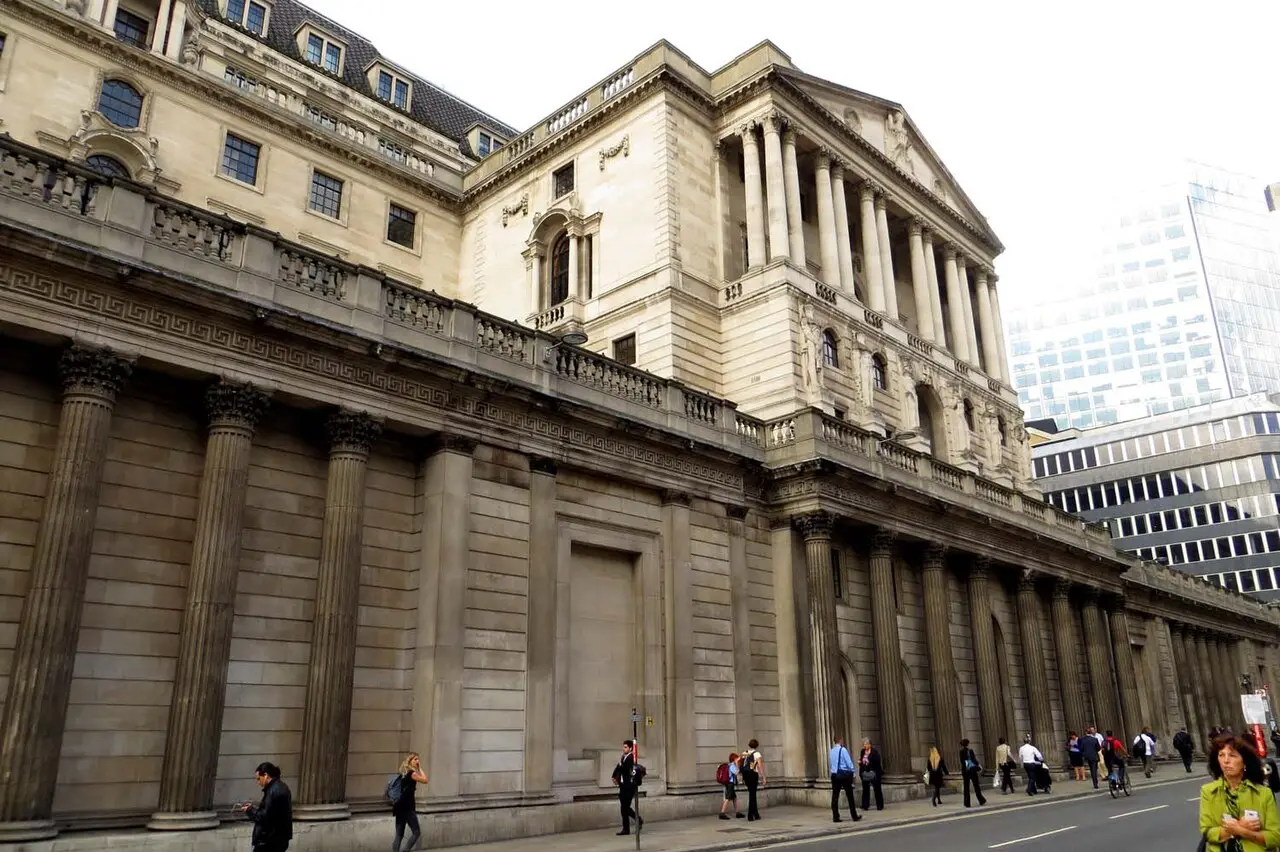
The Bank of England has raised interest rates for the first time in more than ten years, from 0.25 per cent to 0.5 per cent.
The decision was announced on 2 November. The last time rates went up was in July 2007, before the financial crisis.
Why now?
The Bank said it needed to raise rates to bring inflation back towards its target of 2 per cent. Inflation has risen to 3 per cent, largely because the fall in the pound after the Brexit vote has pushed up the cost of imports.
The Bank also said unemployment was at its lowest level in more than 40 years, which could lead to rising wages and further price increases.
Seven of the nine members of the Monetary Policy Committee voted for the rise.
Only gradual rises
The Governor, Mark Carney, said any further increases would be gradual and limited. The Bank expects to raise rates twice more over the next three years.
He warned that Brexit remained the biggest influence on the economic outlook.
Borrowers and savers
The rise reverses the cut made in August last year, after the Brexit referendum. About 3.7 million households with variable or tracker mortgages will see their payments rise, though by a small amount.
Many younger homeowners have never experienced a rise in interest rates.
Savers, who have endured years of very low returns, may see a small increase in the interest on their savings, although banks may not pass on the full rise.
A long period of low rates
Rates were cut to a record low of 0.5 per cent in March 2009, during the financial crisis, and stayed there for more than seven years before being cut again to 0.25 per cent.
Low rates have supported the economy but have also driven up house prices and other asset values.
Squeeze on incomes
Some critics have questioned whether it is the right time to raise rates, when wages are rising more slowly than prices and household finances are under pressure.
The economy has grown more slowly than in other major countries this year.
Business groups have warned that the Bank should be cautious about further rises.
More in Economy
All

Latest news
Featured posts
-
Things to do
Top 10 places to visit in Birmingham
-
Food and drink
The 12 most popular food spots in Birmingham
-
Things to do
The best laser tag locations in Birmingham