
First GCSE in Ukrainian to help young people keep their language and heritage
Open to all pupils, the qualification is due to be taught from September 2028, with the first exams in 2029.
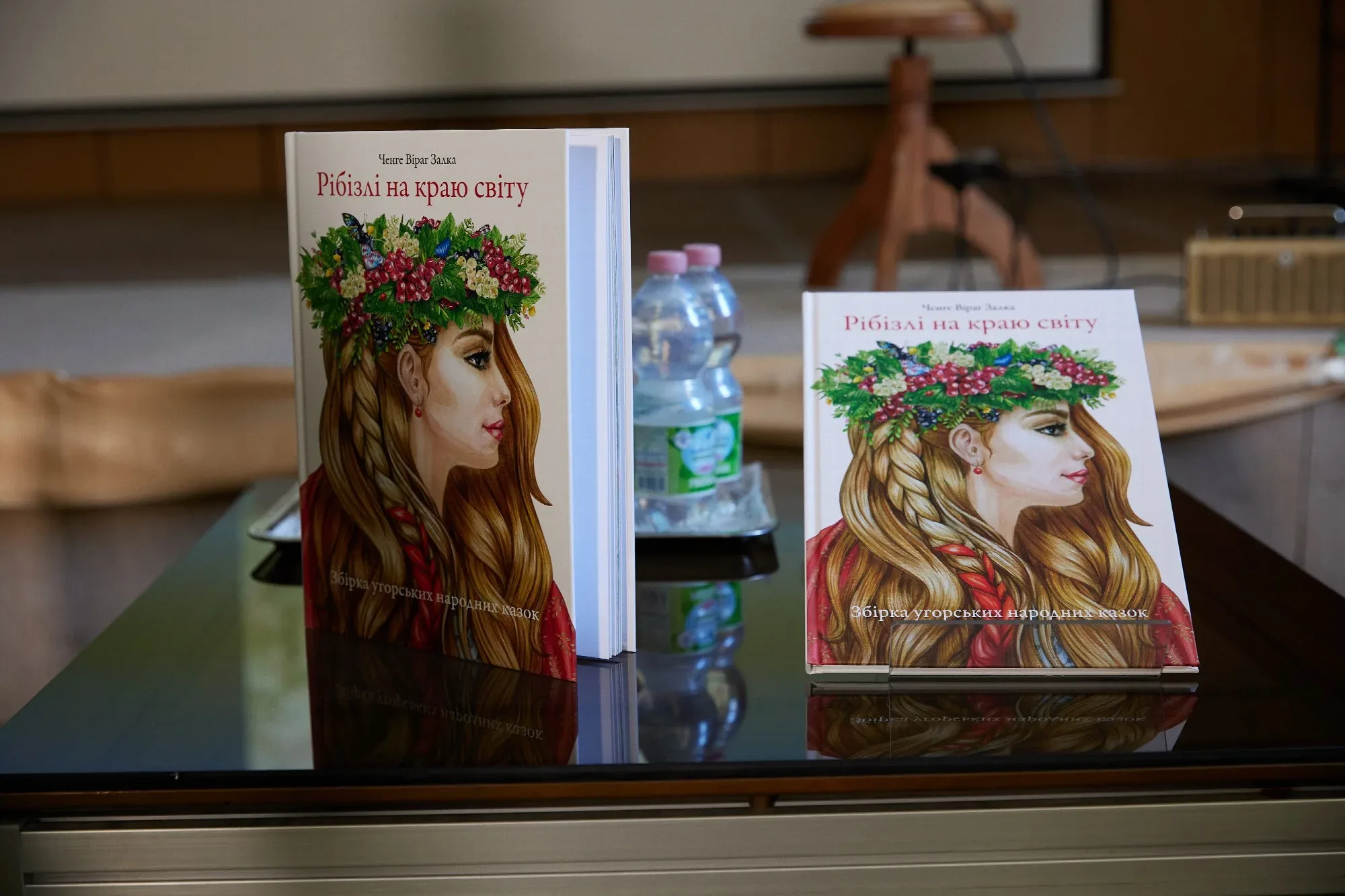
Pupils in England, Wales and Northern Ireland will be able to take a GCSE in Ukrainian for the first time, giving Ukrainian children who have made new homes in the UK the chance to keep their language strong and gain a qualification for it.
The new GCSE is expected to be available for first teaching from September 2028, with the first exams in 2029. It will be open to all pupils, not just those with Ukrainian heritage.
A long-awaited qualification
Like other modern foreign language GCSEs, it will assess listening, speaking, reading and writing, while also recognising the cultural and historical background that shapes the Ukrainian language. The exam board AQA will now work with language and subject experts to develop it.
Education Secretary Lucy Powell said: "As they build their lives here in the UK, it is right that Ukrainians and their children should have every opportunity to maintain that connection to their heritage and to be proud of who they are."
"This new qualification is available to all pupils and will give them the chance to develop their language skills and celebrate Ukraine's rich culture and history, while also opening pathways to future study and employment."
Ukraine's Minister of Education and Science, Andrii Butenko, said: "Today marks an important milestone towards the introduction of a Ukrainian GCSE, long called for by the Ukrainian community in the UK."
"British schools opened their doors to thousands of Ukrainian children following the start of Russia's full-scale war of aggression against Ukraine, and we will always be grateful for that."
Recognising what young people already know
Colin Hughes, Chief Executive of AQA, said the qualification "will give young people - including those displaced by the war - an opportunity to gain formal recognition for their knowledge of Ukrainian, while contributing to greater understanding of the language and its culture in the UK."
Schools working together
The announcement builds on the UK-Ukraine 100-Year Partnership and the UK-Ukraine Schools Partnership, which now links more than 300 schools in both countries through shared projects focused on reading for pleasure and learning together.
Minister for Europe Lord Stewart Wood called the GCSE "a powerful symbol of the deep and enduring bonds between our two countries."
Birmingham's many languages
Birmingham is one of the most linguistically diverse cities in the UK, and like schools across the country, its schools have welcomed Ukrainian children since 2022. GCSEs already exist in many community languages, from Urdu and Punjabi to Polish and Arabic, and a qualification in a home language can be a real boost to a young person's confidence.
Families interested in the new GCSE should talk to their child's school about plans for 2028. In the meantime, Ukrainian community groups and Saturday schools continue to help children keep up their reading and writing.
More in Education
All
Latest news
Featured posts
-
Things to do
Top 10 places to visit in Birmingham
-
Food and drink
The 12 most popular food spots in Birmingham
-
Things to do
The best laser tag locations in Birmingham