

Edgbaston South tops the region's house price growth table at 34%, with six Birmingham areas in the top 10
Sparkhill North, Druids Heath, Rotton Park, Sparkbrook South and Summerfield also feature in a ranking of the biggest rises in a year.
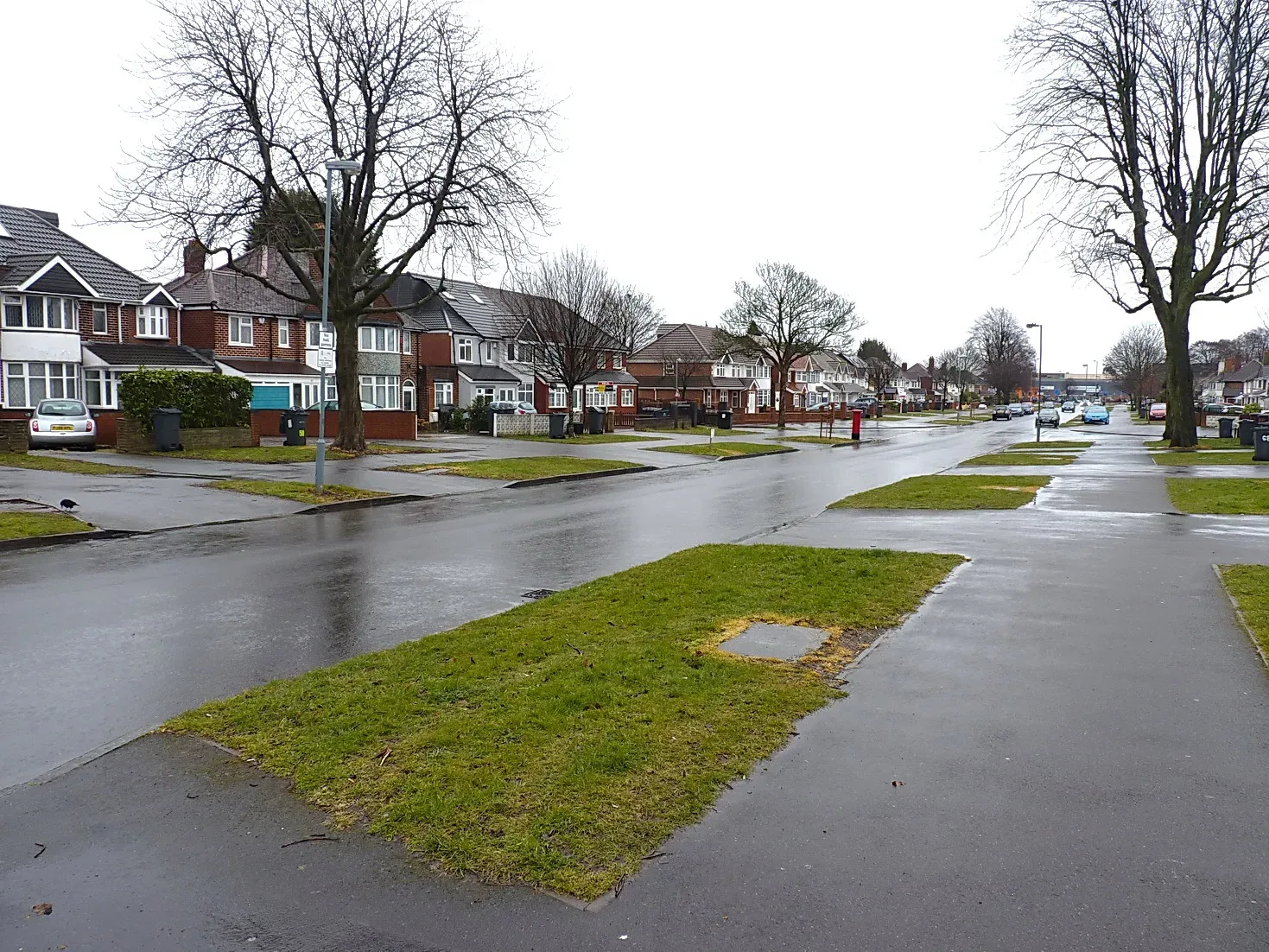
Edgbaston South and University has been named the region's biggest property price riser, with median prices up 34% in a year, and six Birmingham neighbourhoods feature in a top 10 that includes some surprising names.
The House Growth Report, compiled by Online Marketing Surgery and garden furniture firm MG Timber, ranked neighbourhoods by the rise in median house prices between March 2025 and March 2026, Birmingham Live reported.
Edgbaston South leads the way
In Edgbaston South and University, the median price jumped from £290,000 in March 2025 to £390,000 in March 2026, a rise of 34%, or around £100,000 in cash terms.
The second-highest Birmingham area, and fourth overall, was Sparkhill North, where prices rose 27% in 12 months, from £165,000 to £210,000. Sparkhill North is considered the poorest place in England by average disposable income, Birmingham Live noted. In Druids Heath, fifth overall, the median rose by £45,000, from £180,000 to £225,000.
The top 10
Coventry, Sandwell and Dudley also feature, but no local authority has more neighbourhoods in the top 10 than Birmingham, which takes six of the ten places.
The full ranking, with the 2025 and 2026 median prices and the percentage rise, was:
1. Edgbaston South and University, Birmingham: £290,000 to £390,000 (34%)
2. Canley and Westwood Heath, Coventry: £220,000 to £285,000 (30%)
3. Greets Green East, Sandwell: £159,000 to £205,000 (29%)
4. Sparkhill North, Birmingham: £165,000 to £210,000 (27%)
5. Druids Heath, Birmingham: £180,000 to £225,000 (25%)
6. Rotton Park, Birmingham: £255,000 to £315,000 (24%)
7. Halesowen Town, Dudley: £218,750 to £269,000 (23%)
8. Central Coventry: £193,500 to £235,000 (21%)
9. Sparkbrook South, Birmingham: £177,107 to £215,000 (21%)
10. Summerfield, Birmingham: £183,000 to £217,500 (19%)
A mix of areas
The Birmingham names on the list are a mix: leafy Edgbaston, close to the University of Birmingham and the Queen Elizabeth Hospital; inner-city Sparkhill and Sparkbrook; Rotton Park and Summerfield in the west of the city near Edgbaston Reservoir; and Druids Heath on the city's southern edge, where a major regeneration programme to deliver thousands of new homes has been taking shape.
Several of the biggest risers started from relatively low prices, which means a large percentage increase can reflect a modest change in cash terms. Median prices in small areas can also move sharply from year to year depending on which homes happen to be sold, so one year's figures are not a guarantee of future growth.
Good news for owners, a challenge for buyers
For homeowners in these neighbourhoods, rising values are welcome news. For first-time buyers, they mean saving more for a deposit in areas that have traditionally been among the more affordable parts of the city. Anyone thinking of buying or selling can check recent sold prices for their own street on the HM Land Registry and property portal websites.
More in Housing and Property
All
Housing and Property
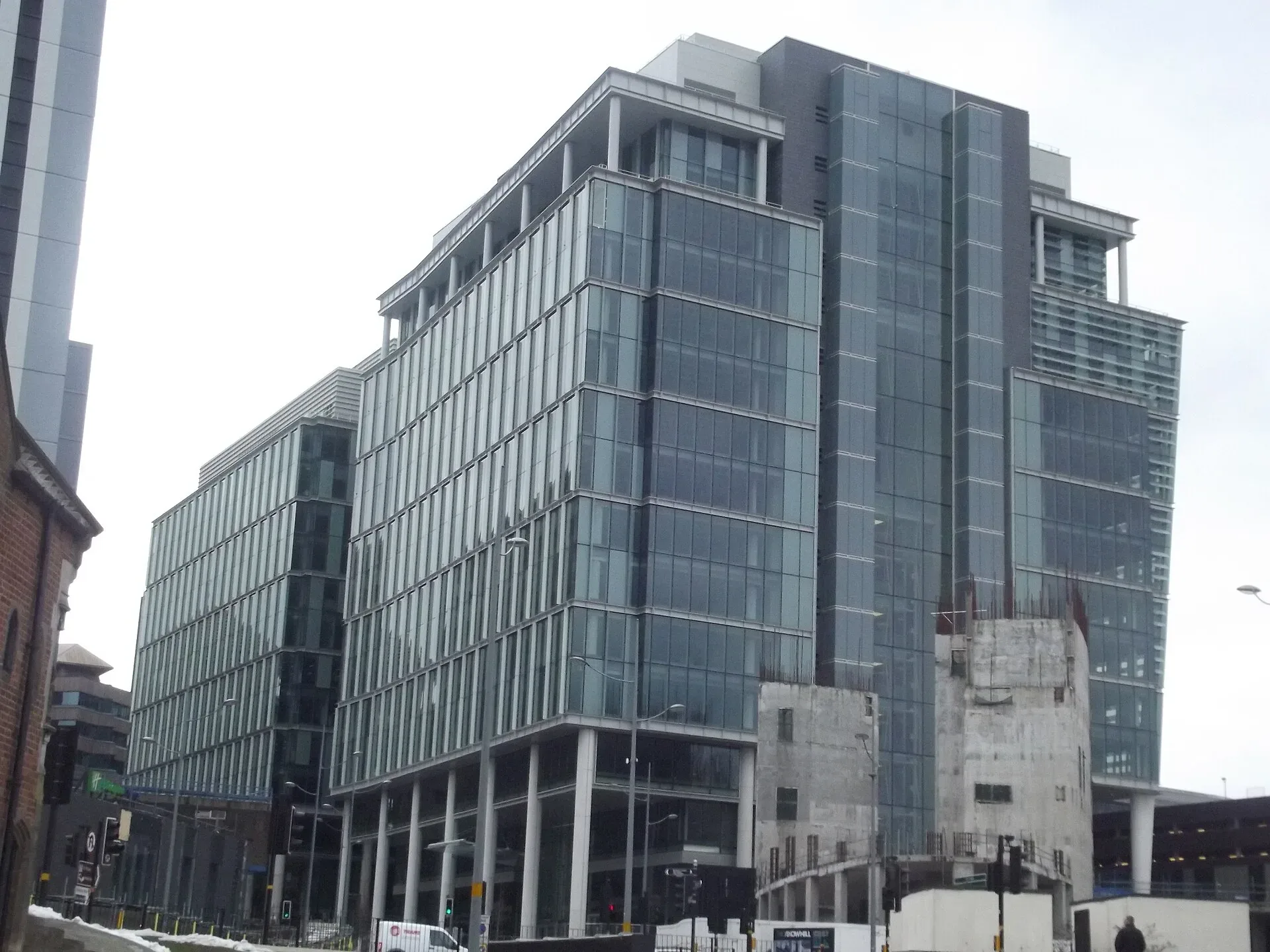
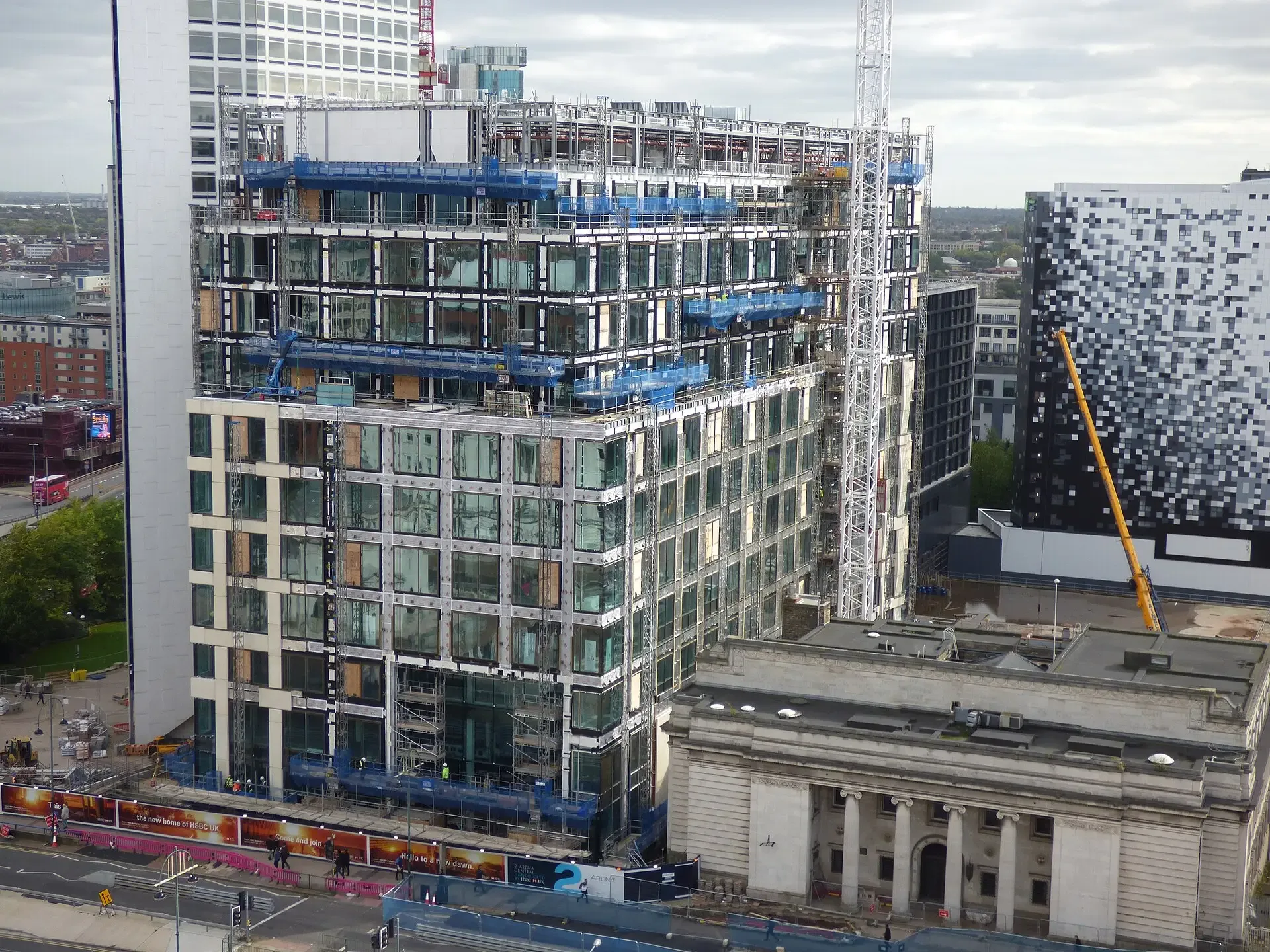
526 flats in 30 and 17-storey towers approved to complete Birmingham's Arena Central
Latest news
-
16 Nov
New Ancient Trees app maps the world's oldest and most remarkable trees, from Lisbon to a 5,000-year-old yew
-
16 Nov
Prince and Princess of Wales arrive in India for first joint overseas trip in four years, centred on Earthshot
-
16 Nov
New direct Birmingham to Crewe trains start on 13 December, the first step to a Manchester Airport link
Featured posts
-
Things to do
Top 10 places to visit in Birmingham
-
Food and drink
The 12 most popular food spots in Birmingham
-
Things to do
The best laser tag locations in Birmingham