

First 211 flats of the 943-home Little Digbeth neighbourhood reach full height
The Sidings, phase one of Cole Waterhouse's scheme between Upper Trinity Street and Adderley Street, has topped out and is due to finish next year.
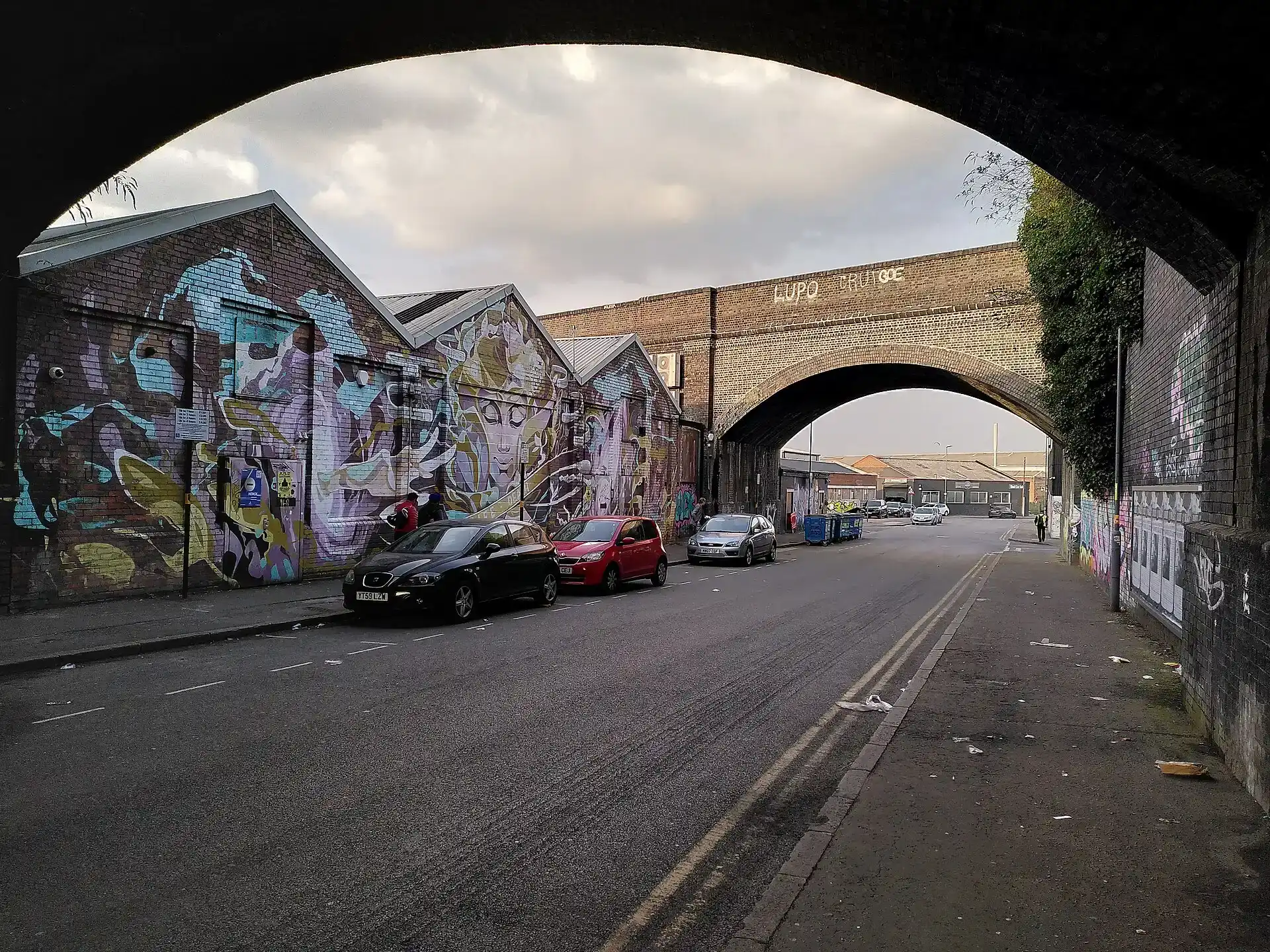
The first building of Little Digbeth, a new neighbourhood of more than 900 homes planned between Upper Trinity Street and Adderley Street, has reached its full height, a major milestone for one of the biggest regeneration schemes on the doorstep of the new HS2 station.
Caddick Construction has topped out The Sidings, a 10-storey block of 211 flats that makes up the first phase of the scheme, Birmingham Live reported. Project partners gathered on the roof at the end of September for a topping-out ceremony to mark the building reaching its highest point. Phase one is due to be completed next year.
What Little Digbeth will bring
Developer Cole Waterhouse first unveiled its masterplan in 2020, with a vision of turning industrial land in Digbeth into a 24-hour cultural, commercial and residential neighbourhood. Planning permission was granted in July 2021.
The full scheme is laid out as nine buildings with 943 homes, a 133-bedroom hotel, a public park and 60,000 sq ft of flexible workspace. Historic structures linked to the Grand Union Canal, including the former lock keeper's cottage, a locally listed pump house and a canal gauging weir, will be kept as part of the development.
Work on The Sidings began in spring 2025, helped by devolved brownfield regeneration funding from the combined authority.
"A catalyst for further investment"
Ray O'Sullivan, regional managing director of Caddick Construction Midlands, said: "The redevelopment of brownfield land is an extremely valuable way of meeting growing demand for housing, and regeneration projects of this nature bring much more than homes for local people."
"We're very proud to be delivering the first phase of Little Digbeth, which will become a catalyst for further investment and regeneration in the Digbeth area," he said.
Simon Gallanders, managing director of residential at Cole Waterhouse, said: "The topping out of this first phase is an important milestone for Little Digbeth and a great reflection of the progress being made on site."
The rest of the scheme
Cole Waterhouse said it was reviewing the design of the whole site in response to updated building safety rules, including the arrangement of stair and lift cores and the size of buildings, and that an application to amend phase two was awaiting a decision.
The developer would not give a completion date for the whole neighbourhood, which had previously been pencilled in for the second quarter of 2029. "We remain fully committed to progressing the development and delivering the remaining phases, subject to the necessary consents and funding being secured," a spokesperson said.
When the scheme was first proposed, it drew objections from several Digbeth music venues worried about the impact on their businesses. The council's then leader, Ian Ward, said at the time that Upper Trinity Street had "an important role to play in the city's ongoing renaissance, given its proximity to HS2".
More in Housing and Property
All
Housing and Property
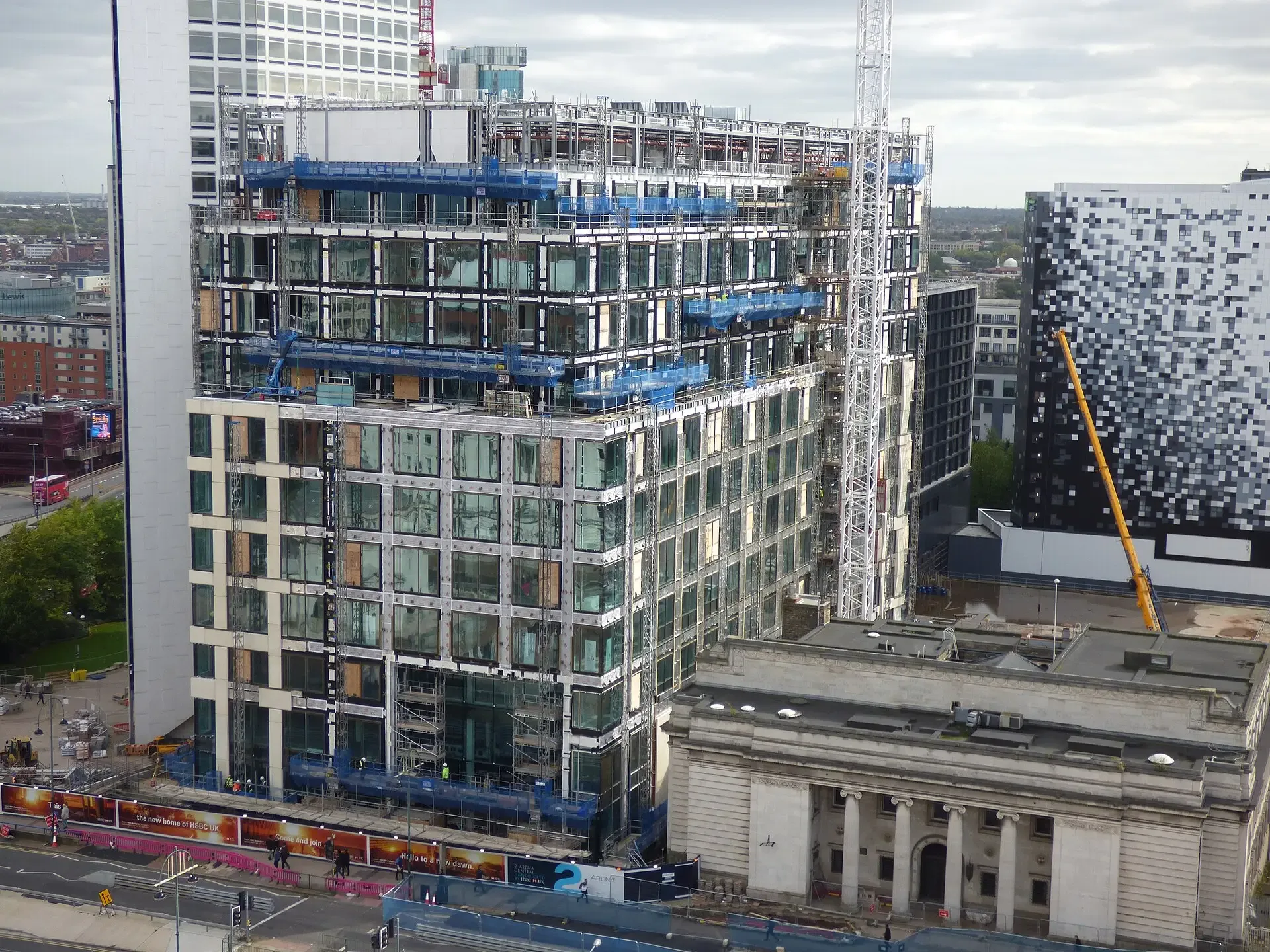
526 flats in 30 and 17-storey towers approved to complete Birmingham's Arena Central
Housing and Property
Flat owners to get new powers to challenge unfair service charges from April 2027
Latest news
-
16 Nov
New direct Birmingham to Crewe trains start on 13 December, the first step to a Manchester Airport link
-
16 Nov
Apple launches study of 200,000 people to test how useful AI answers to health questions really are
-
16 Nov
Asian Business Chamber's Diwali celebration at St Andrew's explores innovation, from cybersecurity to football
Featured posts
-
Things to do
Top 10 places to visit in Birmingham
-
Food and drink
The 12 most popular food spots in Birmingham
-
Things to do
The best laser tag locations in Birmingham