
Don't ignore side effects, report them: MedSafetyWeek returns in November
The medicines regulator wants patients to use the Yellow Card scheme, which now works with NHS login and an upgraded app.
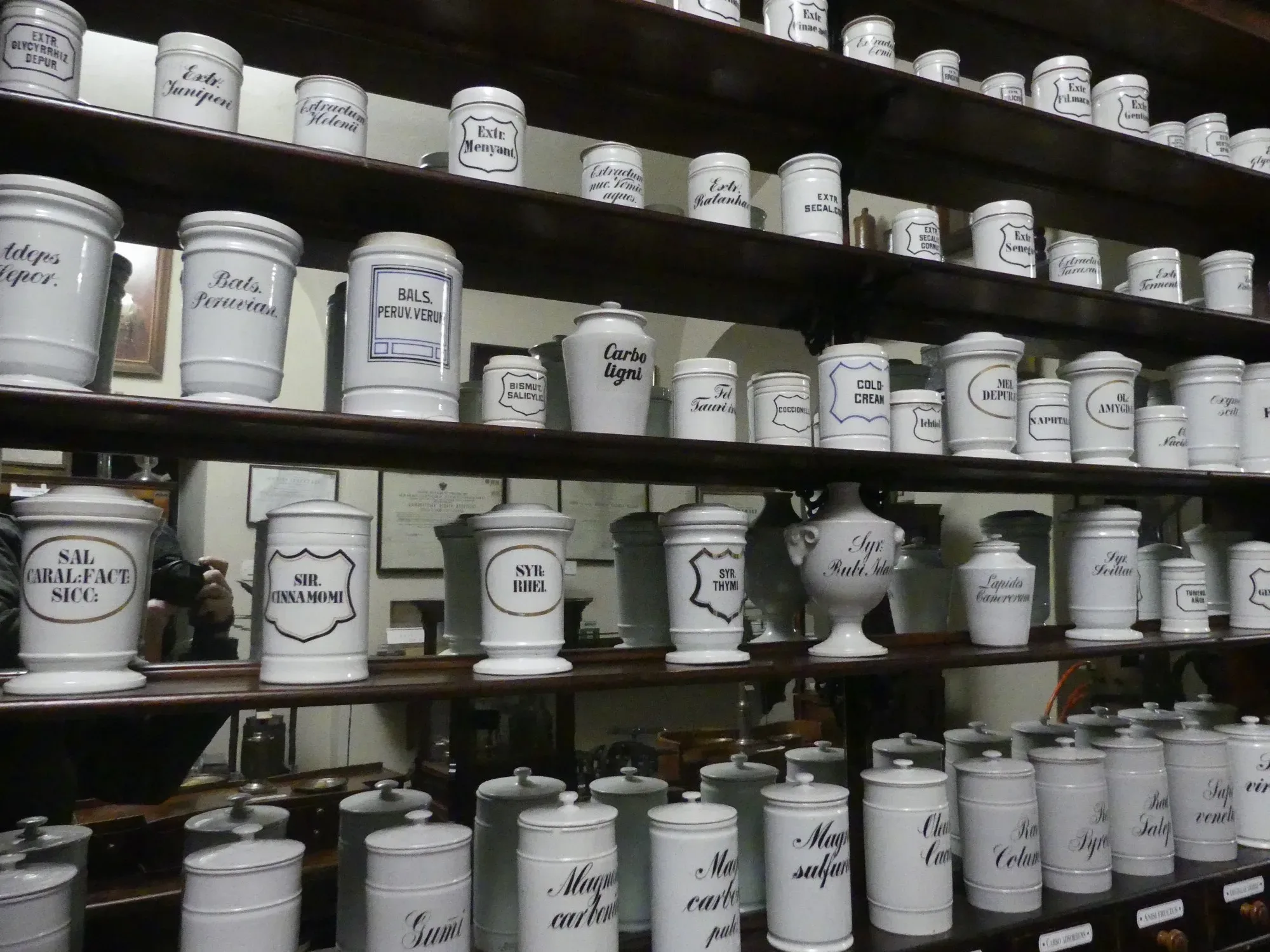
Patients across Birmingham are being urged not to ignore suspected side effects from their medicines, but to report them through the Yellow Card scheme, ahead of the annual MedSafetyWeek campaign next month.
The medicines regulator, the MHRA, has announced that this year's campaign will run from 2 to 8 November with the theme "Side effects: don't ignore them, report them!" It is the eleventh year of the campaign, and the regulator has also made it easier to report, with a simpler login and an upgraded Yellow Card app.
What a Yellow Card is
A Yellow Card is a report of a suspected side effect or safety concern involving a medicine, vaccine or medical device. Anyone can make one: healthcare professionals, patients and carers. The reports help the MHRA spot new safety issues as early as possible and take action to protect patients.
The scheme covers far more than tablets. Reports can be made about suspected side effects from medicines and vaccines, incidents involving medical devices, including software, apps and artificial intelligence, and concerns about defective or falsified products, e-cigarettes, vapes and their refills.
Crucially, only a suspicion is needed. You do not have to be sure the medicine caused the problem before reporting it. Submitting a report online takes only a few minutes, and the MHRA says every report is valuable.
Side effects can be easy to miss
The regulator points out that side effects show up in different ways. Some appear soon after a treatment starts or stops. Others develop gradually, follow a change in dose or product, or only become clear after long-term use or an interaction with other medicines, foods or herbal products. Some are obvious, while others can be mistaken for common ailments.
That is why patients are encouraged to mention anything unusual to their pharmacist, GP or hospital team, and to report it themselves too.
Easier to report
The Yellow Card website now works with NHS login, so people can create an account or link an existing one using the details they already have, without remembering another username and password.
The Yellow Card app has also been rebuilt so it mirrors the website and updates instantly, without needing downloads from an app store. People can now report defective medicines and falsified products directly in the app.
How to report
Reports can be made on the Yellow Card website or through the Yellow Card app, available from the Apple App Store and Google Play. It helps to include as much detail as possible: the medicine or device, when you started and stopped it, other medicines you take, and when the problem began.
For healthcare staff, the MHRA has published new posters, waiting room materials and social media assets for the campaign, and a set of free e-learning modules. Its advice to professionals is simple: know the medicine or device, check it is right for the patient, ask whether they understand it, and report any suspected side effect.
Each report adds to what is known about how medicines and devices behave in the real world, long after they have passed their trials. A few minutes spent filling one in could help protect the next patient.
More in Health
All


Latest news
Featured posts
-
Things to do
Top 10 places to visit in Birmingham
-
Food and drink
The 12 most popular food spots in Birmingham
-
Things to do
The best laser tag locations in Birmingham