
Brown says not yet to the euro
Only one of the Chancellor's five economic tests has been met.
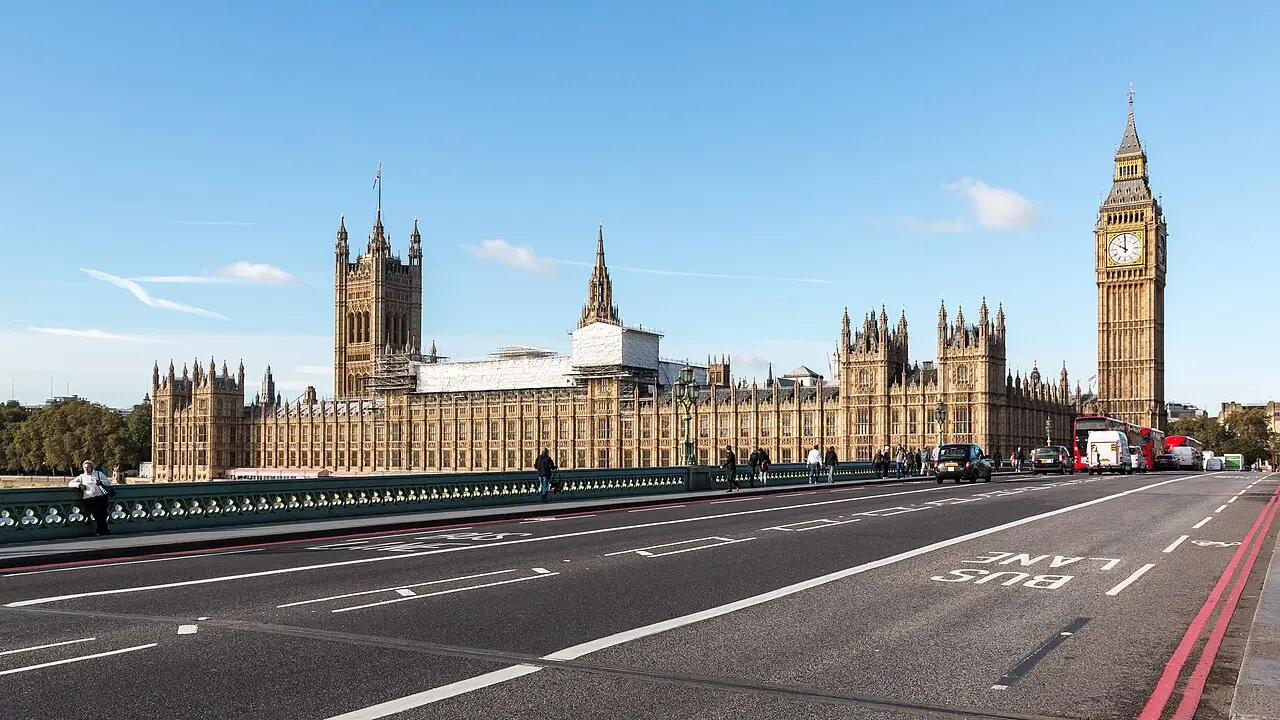
The Chancellor, Gordon Brown, has ruled out Britain joining the euro for now, saying that four of his five economic tests have not been met.
Brown gave his long-awaited assessment to the House of Commons on 9 June, after the Treasury published 18 studies examining the case for joining the single currency.
The five tests
Brown set out the five tests in 1997. They ask whether the British economy has converged with the economies of the euro area, whether there is enough flexibility to cope with economic shocks, and whether joining would be good for investment, the City of London and jobs.
The Treasury concluded that only one test, on the effect on the financial services industry, had been met. It found that the British economy had not converged enough with the eurozone, and that the housing market, with its reliance on variable-rate mortgages, made Britain more sensitive to changes in interest rates.
Not ruled out forever
Brown said the government remained in favour of joining in principle, and that a clear and unambiguous case had not yet been made. He announced reforms designed to make joining possible in future, including changes to the housing market and a review of the Bank of England's inflation target.
He said the question could be looked at again next year, but most observers believe a referendum is unlikely before the next general election.
Political divisions
The euro has divided the government. The Prime Minister, Tony Blair, is seen as more enthusiastic about joining than Brown, and there have been reports of tension between them over the issue.
The Conservatives, led by Iain Duncan Smith, oppose joining the euro altogether and have said the tests are a smokescreen. The Liberal Democrats are in favour of joining.
Business views
Business opinion is split. Many manufacturers, who have struggled with a strong pound, would like to join, saying it would make trade with Europe easier. Others, particularly in the City, are more cautious.
Opinion polls consistently show that a majority of the public opposes giving up the pound.
The eurozone
The euro has been in use for 18 months in 12 countries. Its value against the pound has risen sharply this year, after falling in its early years.
The decision means the pound will remain Britain's currency for the foreseeable future.
More in Economy
All


Latest news
Featured posts
-
Things to do
Top 10 places to visit in Birmingham
-
Food and drink
The 12 most popular food spots in Birmingham
-
Things to do
The best laser tag locations in Birmingham