
Breast cancer radiotherapy trial that could save patients ten hospital trips passes 1,000 recruits
The FAST-Forward Boost trial is testing whether treatment can be cut from three weeks to five days, as screening uptake hits a ten-year high.
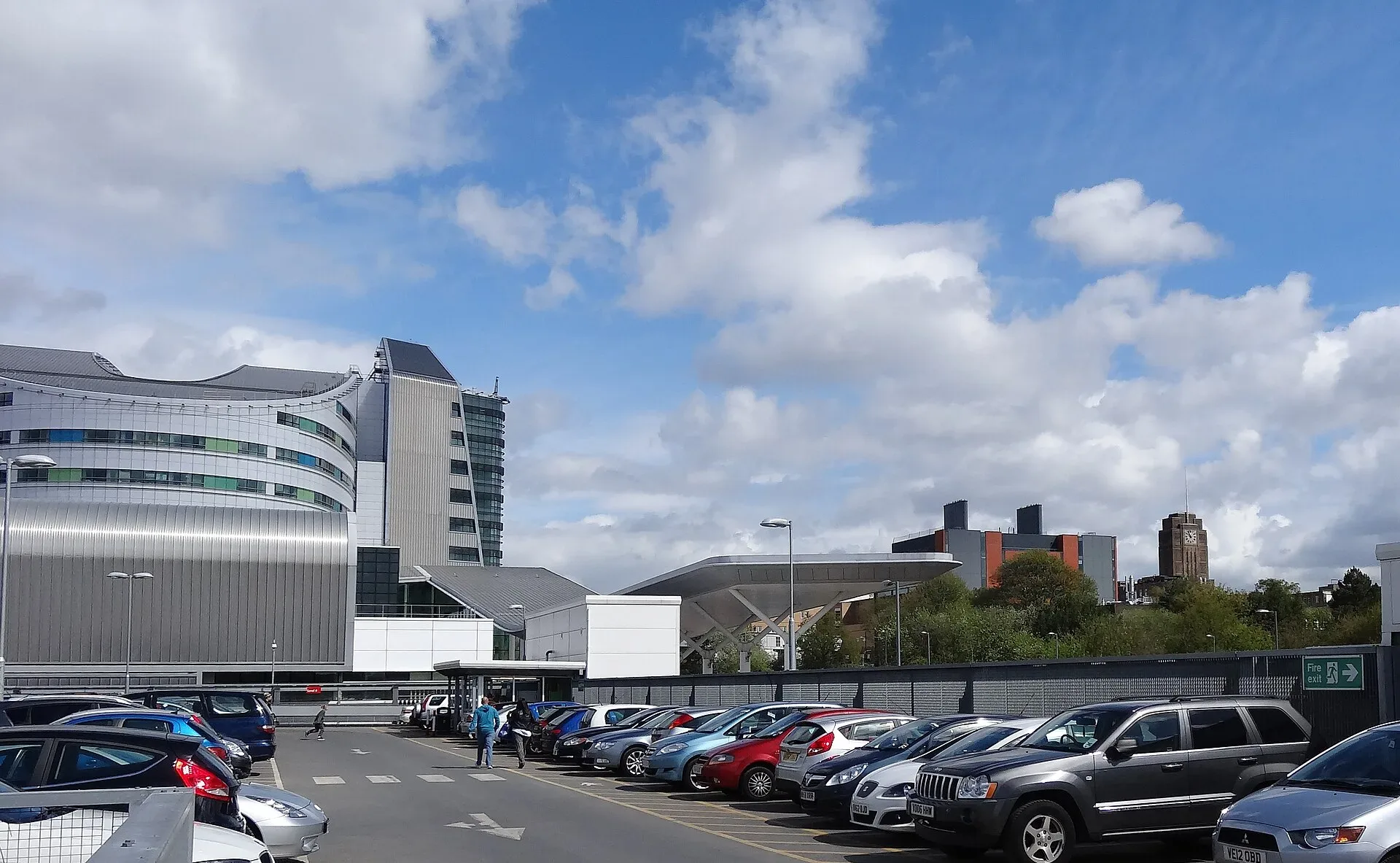
More than 1,000 people have joined a government-funded trial testing whether breast cancer radiotherapy can be safely cut from three weeks to just five days, potentially sparing patients ten hospital visits.
The milestone was announced as Breast Cancer Awareness Month draws to a close, alongside new figures showing more women than at any point in the past decade are taking up their first breast screening invitation.
Five days instead of three weeks
The FAST-Forward Boost trial is running at 39 hospitals across the UK. It is testing a shorter course of radiotherapy with an extra targeted dose, known as a boost, to help stop breast cancer coming back.
If it succeeds, the approach could cut patients' travel costs and time away from work and family, while freeing up NHS capacity to treat more people. The trial, led by The Institute of Cancer Research, London, and funded by the National Institute for Health and Care Research, aims to recruit 4,830 people by 2028, with results expected in 2033.
Professor Anna Kirby, the trial's chief investigator, said: "Reaching 1,000 participants is a fantastic milestone. It reflects the commitment of patients and clinical teams across the UK to answering an important question about how we can improve breast radiotherapy for patients."
"It is particularly heartening to see so many women, at a challenging time in their own lives, choosing to take part in research that could help improve treatment for women with breast cancer in the future," she said.
An adviser who knows
Ashley Dalton MP, who is living with metastatic breast cancer, has been appointed as an adviser on delivering the National Cancer Plan. She stepped down as a health minister in March to manage her treatment.
"My time as Health Minister taught me so much, and so has living with metastatic breast cancer," she said. "I want to use my experiences in the best way I can."
Take up your screening invitation
Uptake of first breast screening invitations has reached 63.6 per cent, the highest in a decade. But around four in ten women invited for the first time still do not attend. Health and Social Care Secretary Yvette Cooper is urging women to take up the offer.
In England, around 30 per cent of female breast cancers are diagnosed through screening, most at an early stage. When breast cancer is diagnosed at stage 1, almost everyone survives for five years or more, compared with 32 per cent at stage 4.
The government is also trialling AI to help analyse mammograms, and working with Breast Cancer Now to help women recognise the signs of cancer.
Women in Birmingham who receive a screening letter are encouraged to book their appointment. It could save their life.
More in National
All
Latest news
Featured posts
-
Things to do
Top 10 places to visit in Birmingham
-
Food and drink
The 12 most popular food spots in Birmingham
-
Things to do
The best laser tag locations in Birmingham