

Birmingham's 378 advanced manufacturers form a 'triangle' of strength with Coventry and Leamington
Barclays research finds robotics, 3D printing and electric vehicles powering the regional economy, with Birmingham and Dudley closely linked.
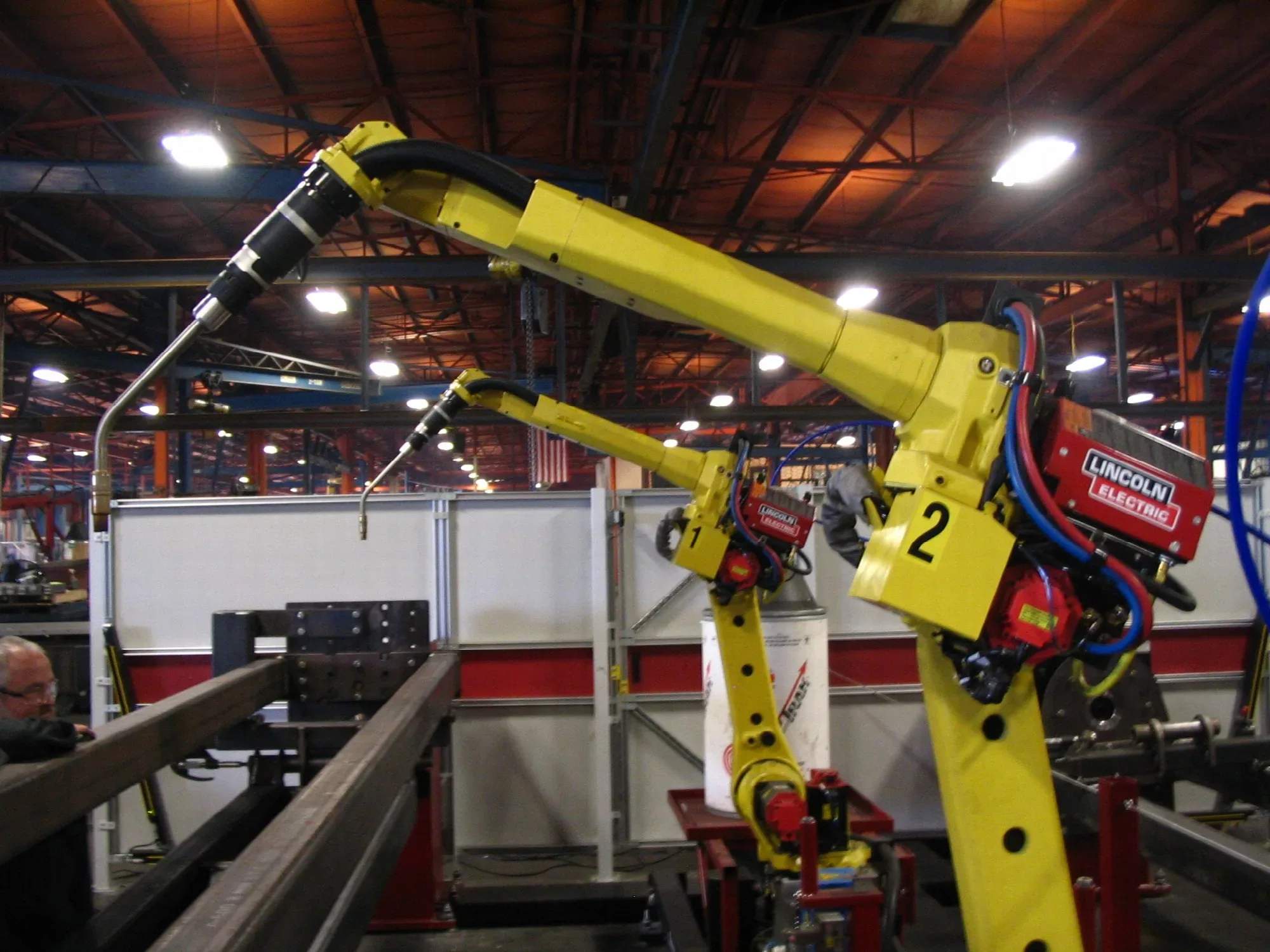
Birmingham sits at one corner of a "triangle" of advanced manufacturing that is helping to power the Midlands economy, according to new research from Barclays Eagle Labs and the data company Beauhurst. The Regional Clusters report found 378 advanced manufacturing businesses in Birmingham, with particular strengths in robotics and 3D printing, the Greater Birmingham Chambers of Commerce reports.
Together with Coventry and Leamington Spa, the city forms what the researchers describe as a wider industrial cluster, with complementary strengths in electric vehicles, robotics and 3D printing.
Three places, one cluster
Coventry has 219 advanced manufacturing firms, and the sector is almost three times as concentrated in its local economy as it is nationally, with a significant specialism in electric and hybrid vehicles. Leamington Spa adds further strength in advanced manufacturing, electric and hybrid vehicles and technology, and recorded annual growth of around 7% in the number of equity investment deals.
Paul Faulkner, vice chairman for the Midlands at Barclays, said: "Advanced manufacturing has been part of the Midlands' economic story for generations, and these findings demonstrate its importance to the region's future growth too."
"What stands out is the combination of specialist strengths across Birmingham, Coventry and Leamington Spa, alongside the wider business connections that stretch across the Black Country, Warwickshire and Worcestershire," he said.
Birmingham and Dudley: the strongest link
The research also shows how closely connected the regional economy is. Companies headquartered in Birmingham frequently have subsidiaries or trading sites elsewhere, with particularly strong links to Dudley, Wolverhampton and Walsall, Coventry, Leamington Spa, and Worcester and Kidderminster.
The Birmingham-Dudley connection is the strongest of all: 4,600 subsidiary and trading-address links, around 6.6 times the number that would normally be expected from wider patterns of business activity.
Backing reindustrialisation
The findings fit with the combined authority's growth plan, led by the regional mayor, Richard Parker, which puts reindustrialisation at its centre, with stronger supply chains, faster adoption of new technology and support for advanced manufacturing. The area's Investment Zone takes the same approach, spanning the Birmingham Knowledge Quarter, a Coventry and Warwick site focused on battery technology and green manufacturing, and the Wolverhampton Green Innovation Corridor.
Mr Parker said: "This research highlights the strength of our industrial base and the growing concentration of businesses in high-value sectors such as electric vehicles, robotics and defence."
The catch: scaling up
The report also carries a warning. Nationally, the number of high-growth companies that have raised one round of equity investment but not a second could rise from around 7,900 in 2025 to around 13,900 by 2035 if recent patterns continue. In other words, many promising firms struggle to find the follow-on money they need to grow.
"The opportunity now is to build on those strengths and help more ambitious Midlands businesses access the investment, expertise and markets they need to grow and create jobs here in the region," said Mr Faulkner. Barclays says that through its Backing Britain's Future programme it has committed to support 1.5 million businesses and entrepreneurs by 2030.
For Birmingham, the message is encouraging: the city's manufacturing tradition has not disappeared but changed, into robots, 3D printers and the technology behind electric vehicles.
More in Economy
All
Latest news
Featured posts
-
Things to do
Top 10 places to visit in Birmingham
-
Food and drink
The 12 most popular food spots in Birmingham
-
Things to do
The best laser tag locations in Birmingham