

Birmingham bids to be national testbed for 'digital twin' planning to make growth fairer
The council will set out its plans at a Digital Twin conference at Millennium Point on 11 November, asking: does growth improve people's lives?
Birmingham City Council wants the city to become a national testbed for how digital technology can make growth fairer. The council is supporting the UK: Digital Twin 2026 Conference and Exhibition at Millennium Point on Wednesday 11 November, with workshops the day before, where it will set out how it plans to use digital tools to plan better and make sure regeneration reaches the people who live here.
What is a digital twin?
A digital twin is a detailed virtual model of a real place, kept up to date with live information. For a city, it can bring together data about development, transport, infrastructure, investment, skills and communities in one picture, so planners can see how a decision in one part of the city might affect another before it is made.
The council says this could help Birmingham plan more effectively, co-ordinate investment and make sure major regeneration projects are better connected to jobs, skills, transport and neighbourhood priorities.
A city in transformation
Birmingham is in the middle of one of the biggest periods of change in its history, from Curzon and HS2, Digbeth and Smithfield to the Knowledge Quarter, the Sports Quarter, East Birmingham and Tyseley. Andrew Williams, the council's director of economy and skills, will give a keynote speech at the conference on how the city intends to use digital innovation to support inclusive growth and regeneration.
The council says the message will be clear: growth must not only attract investment, but also create meaningful opportunities for the people and communities of Birmingham.
"Does it improve people's lives?"
Councillor Harris Khaliq, Cabinet Member for City Services and Digital, said: "Birmingham is changing rapidly, but for me the test of that change is simple: does it improve people's lives?"
"Growth cannot just be about new buildings, cranes on the skyline or investment announcements. It has to mean better jobs, new skills, improved transport and stronger neighbourhoods for the people who already call Birmingham home."
"Technology can help us get there, but technology is not the destination," he added. "We should use it to understand our city better, make smarter decisions and ensure investment reaches the communities that need to benefit from it. Birmingham has the scale and ambition to lead this conversation nationally."
An invitation to partners
The council points to the city's strengths in advanced manufacturing, health innovation, technology and higher education, along with significant public and private investment, as reasons Birmingham is well placed to lead. It will use the conference to invite investors, universities, technology companies and public sector partners to work with the city and show what digitally enabled, inclusive growth can achieve at city scale.
Councillor Khaliq said he wanted the council "working with our universities, businesses, investors and communities to show how innovation can help build a city where growth is not only bigger, but fairer and more inclusive".
Details of the programme and registration are on the UK: Digital Twin 2026 Conference website.
More in Council and Politics
All
Council and Politics
Three Birmingham manufacturers among first to share £1.3m from the mayor's R&D fund
Council and Politics
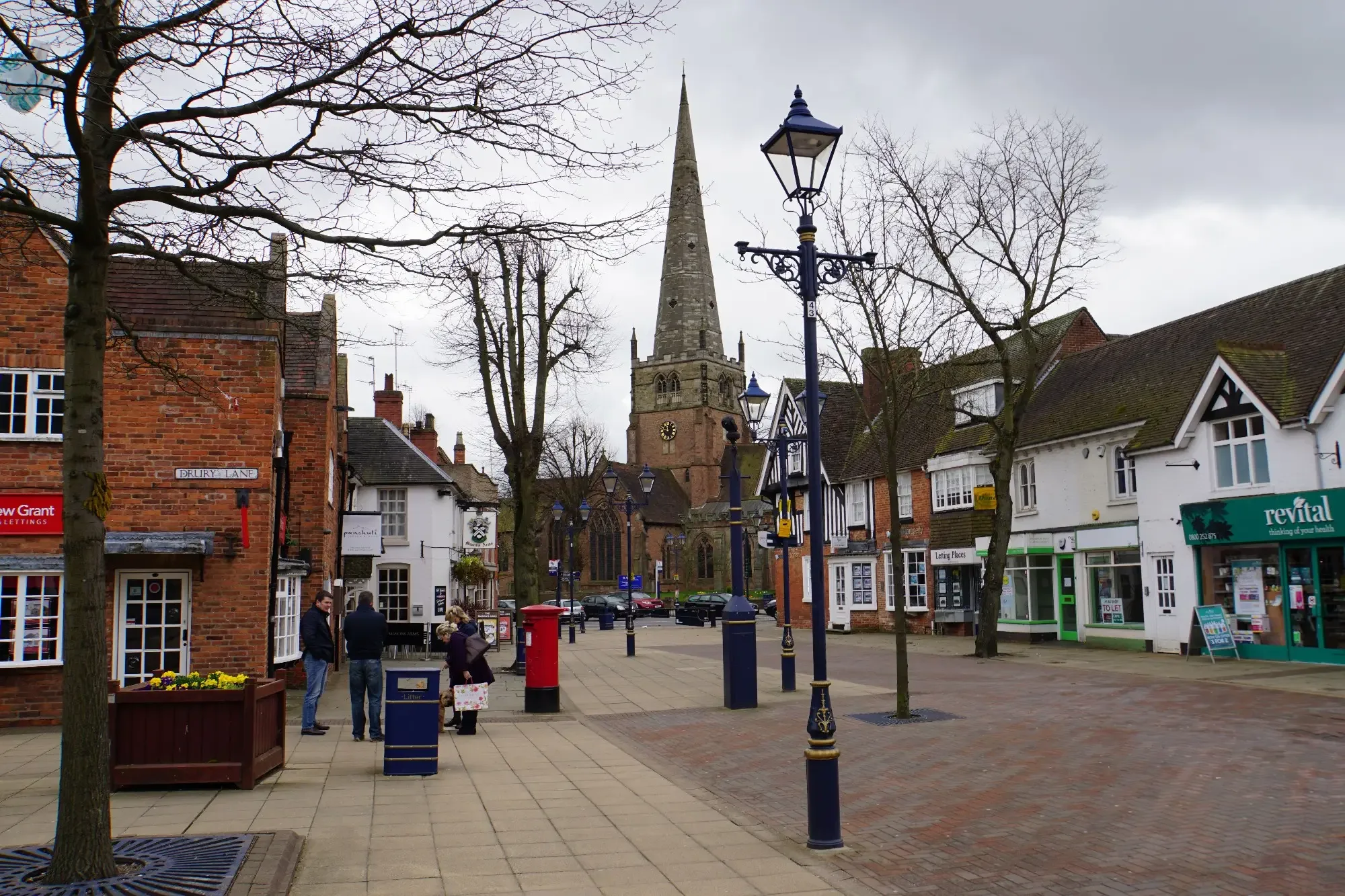
Solihull plans to make every big housing development include homes for older people
Latest news
Featured posts
-
Things to do
Top 10 places to visit in Birmingham
-
Food and drink
The 12 most popular food spots in Birmingham
-
Things to do
The best laser tag locations in Birmingham