

AI road cameras spot almost 2,000 drivers on their phones in two-week Birmingham trial
The trial in Birmingham and Wolverhampton also recorded around 17,000 seatbelt offences, and leaders are now weighing up future enforcement.
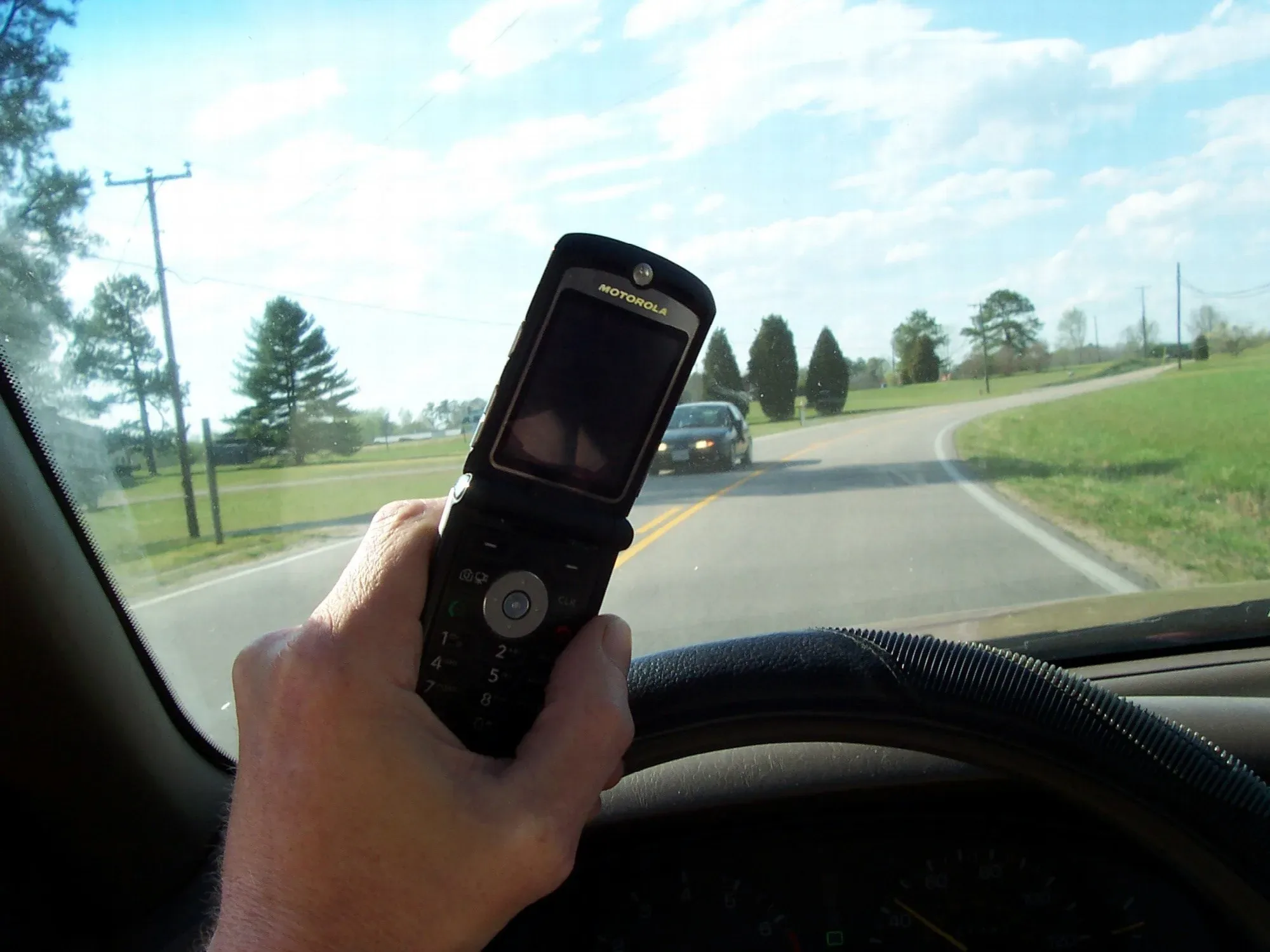
A two-week trial of AI-powered road cameras in Birmingham and Wolverhampton spotted almost 2,000 drivers using a mobile phone at the wheel, and around 17,000 seatbelt offences, giving road safety leaders a clear picture of risks that usually go unseen.
The results are now being reviewed to decide how the technology could be used for enforcement in future, with the aim of making the region's roads safer.
What the cameras found
The cameras use artificial intelligence to look into passing vehicles and flag drivers holding a phone or not wearing a seatbelt. In just two weeks they recorded almost 2,000 phone offences.
For comparison, figures obtained by Marshall Motor Group showed that around 5,000 drivers were caught committing phone offences across the region in the whole of 2023 to 2025, which suggests how much of this behaviour goes unnoticed by conventional policing.
"It is simply not worth the risk"
The regional mayor, Richard Parker, said: "The number of people risking their own lives and the lives of others, including some very young children, is frankly shocking and far higher than we expected when setting up the trial."
He added: "The law is clear on seatbelts and mobile phones. I've met families who have lost loved ones to reckless driving. They never recover from these tragedies; the grief is always there. People need to stop doing this, it is simply not worth the risk."
"As we review these results with our Road Safety Partnership and look to next steps, I promise to use every resource available, including new technology like this, to make our streets safer for everyone."
The Police and Crime Commissioner, Simon Foster, said: "We are closely evaluating these trial results to consider how this advanced AI technology can be deployed for future police enforcement. We cannot tolerate reckless behaviour that puts lives at risk, and we will use every effective tool at our disposal to ensure our roads are safer."
Know the rules
Research suggests many drivers are unsure of the exact law. Most know they must not call or text while driving, but the rules go further: it is illegal to hold and use a phone, or any device that can send and receive data, for almost any reason while driving, including when you are stopped at traffic lights or queuing in traffic.
Drivers can use a phone hands-free, for example through a dashboard holder or a car's own system, as long as they do not hold it. The main exceptions are calling 999 or 112 in a genuine emergency when it is unsafe or impractical to stop, and paying contactlessly when the vehicle is stationary, such as at a drive-through.
Being caught holding a phone at the wheel can bring six penalty points and a £200 fine, and newly qualified drivers can lose their licence.
Buckle up
The seatbelt findings were even more striking, with around 17,000 offences recorded. Drivers are responsible for making sure children under 14 in their car are correctly restrained.
The trial is a glimpse of how technology could help cut deaths and serious injuries on Birmingham's roads. The simplest step costs nothing: put the phone away and clip in before setting off.
More in Crime and Safety
All

Latest news
Featured posts
-
Things to do
Top 10 places to visit in Birmingham
-
Food and drink
The 12 most popular food spots in Birmingham
-
Things to do
The best laser tag locations in Birmingham