
A million more NHS scans a year as 125 new scanners and AI help catch cancer sooner
Most of the new CT and MRI machines are in community diagnostic centres, and AI software is cutting the time each scan takes.
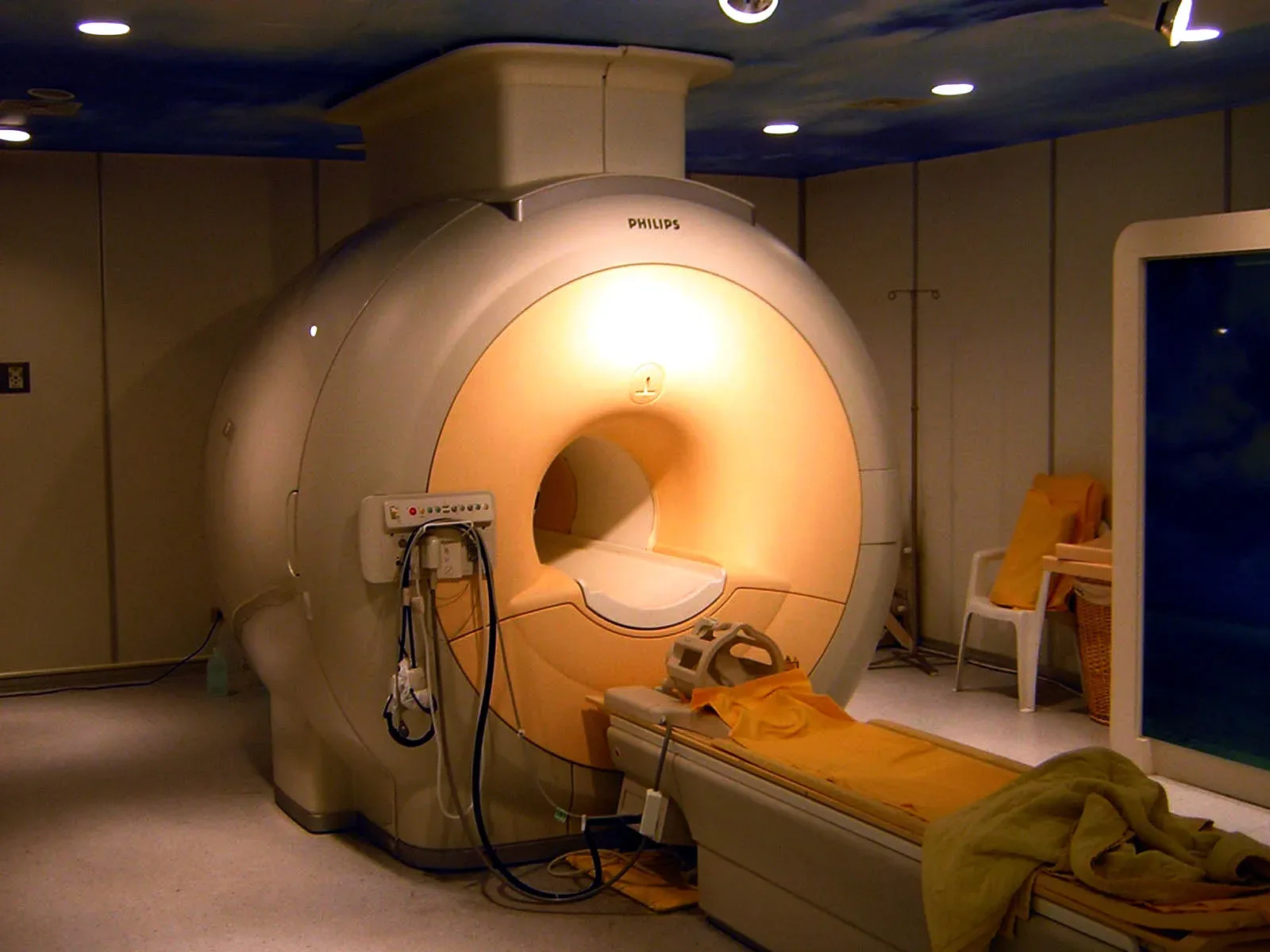
The NHS is now carrying out around a million more CT and MRI scans a year than it was two years ago, thanks to 125 extra scanners and new AI software that speeds up scans, according to figures published on 3 November 2026.
For patients in Birmingham and across England, it means more chances to be scanned sooner, and the earlier a cancer is found, the more treatment options there are.
125 more scanners in two years
NHS England's National Imaging Data Collection shows that between March 2024 and March 2026 the number of CT and MRI scanners in the health service rose by 125. Most of them, 107 of the 125, went into community diagnostic centres: local hubs that let people have tests closer to home instead of in a busy hospital.
Those centres carried out nearly 2.2 million CT and MRI scans in the 12 months to March 2026, a million more than in the 12 months to March 2024.
CT and MRI scans are central to diagnosing many cancers, including lung, brain, breast and prostate cancer.
AI that shortens time in the scanner
Alongside the new machines, AI acceleration software is being added to existing MRI scanners. Because it needs less data to produce a high-quality image, each scan takes less time, and services using it carry out on average 14% more scans while keeping image quality.
The software is already installed on more than half (54%) of the NHS MRI scanners that can take it, and every NHS trust will have the chance to upgrade its compatible scanners by 2029. A full rollout would let existing equipment deliver up to 162,000 more checks a year.
The NHS says an MRI scan currently takes between 15 minutes and an hour, depending on the part of the body being scanned, so shaving time off each one adds up to thousands of extra appointments.
"Receiving answers sooner can make a real difference"
Professor Peter Johnson, NHS England's National Clinical Director for Cancer, said: "Waiting for test results can be an anxious time for anyone worried about cancer, so receiving answers sooner can make a real difference."
He added: "The earlier cancer is diagnosed, the more treatment options there are and the better the chance of a successful outcome for patients."
Health minister Karin Smyth said: "Getting the right diagnosis and treatment as quickly as possible can make all the difference, particularly for patients with cancer and other serious conditions."
Dr Stephen Harden, President of the Royal College of Radiologists, welcomed the rollout, while noting that demand keeps rising: "Demand for diagnostic scans is rising, so it is vital we have the equipment and workforce to scan, diagnose and treat patients efficiently and safely."
Records month after month
The government says every month of 2026 so far has set an NHS record for diagnostic activity, and the diagnostic waiting list has fallen in three of the five months since April. Cancer waiting times are better than last year, and the overall waiting list for planned care is down by more than 250,000 since July 2024.
There is still work to do: the waiting list for tests has not fallen every month, and radiologists say the workforce must grow alongside the equipment. But more machines working faster means more people getting answers sooner.
If you have symptoms that worry you, such as an unexplained lump, a cough that will not go away or unexplained weight loss, the advice is to contact your GP.
More in Health
All
Latest news
Featured posts
-
Things to do
Top 10 places to visit in Birmingham
-
Food and drink
The 12 most popular food spots in Birmingham
-
Things to do
The best laser tag locations in Birmingham