
Yellow, amber and red weather warnings explained
What each warning colour means and what you should do.
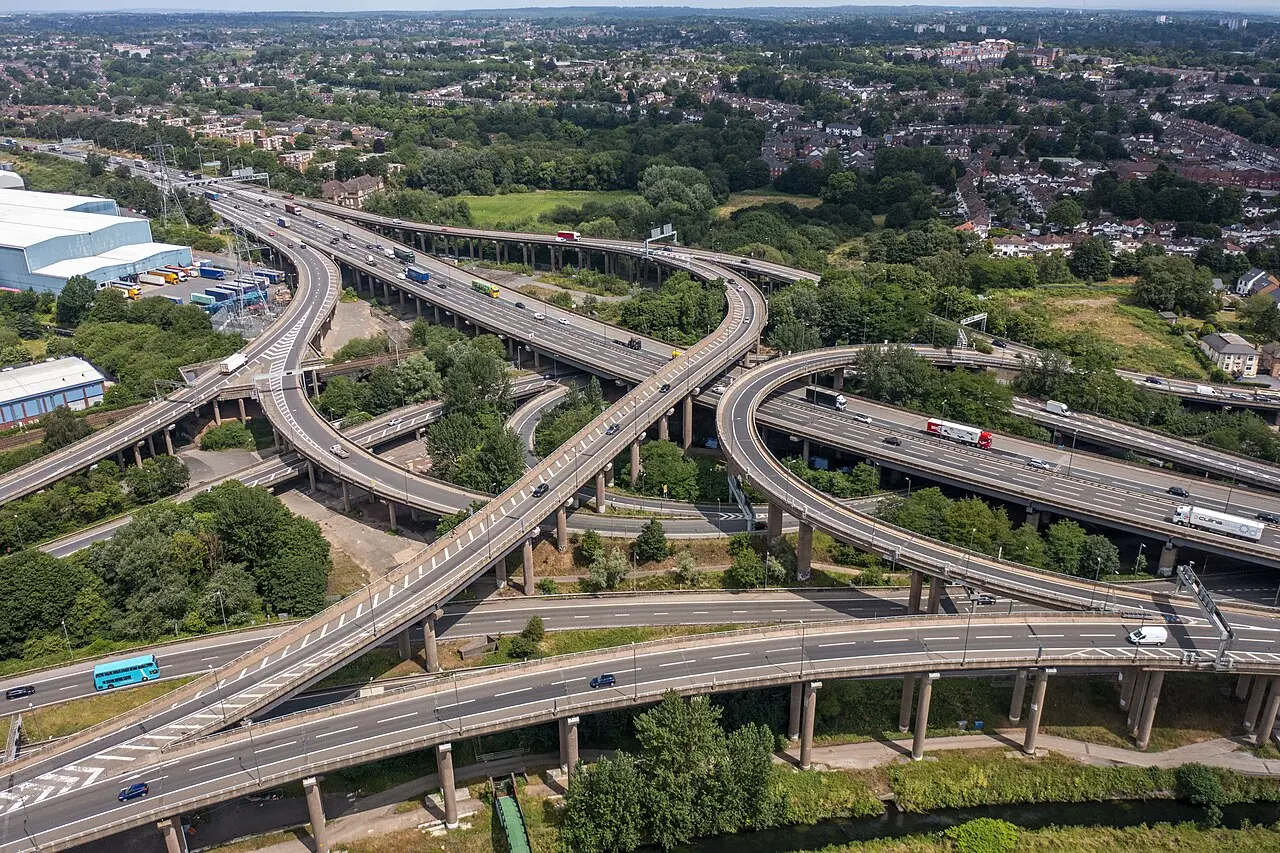
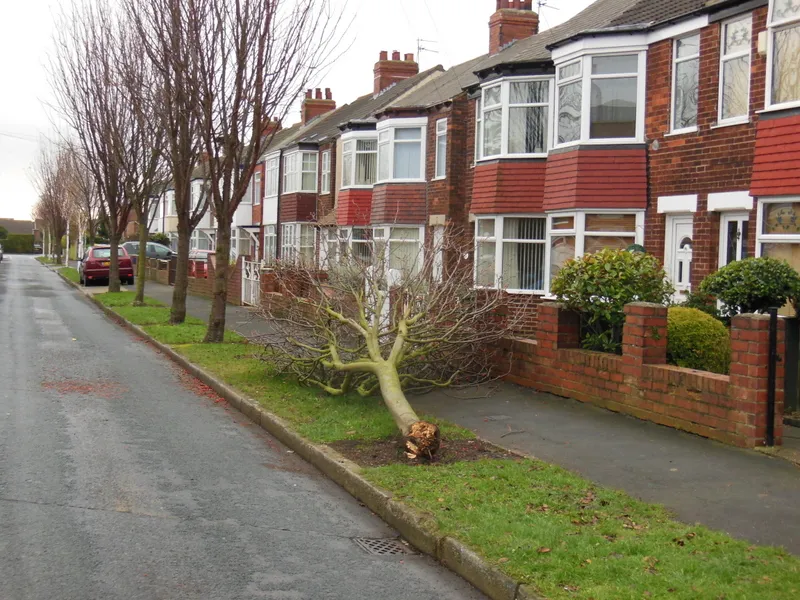
As autumn brings the prospect of stormier weather, here is a guide to the Met Office's weather warnings and what they mean for you.
How the warnings work
The Met Office issues warnings for rain, wind, thunderstorms, snow, ice, fog and extreme heat. Each warning is given a colour based on two things: how likely the weather is to happen, and how severe the impacts could be.
Yellow
A yellow warning is the most common. It means severe weather could bring some impacts, such as travel delays or localised flooding. Most people can carry on as normal but should think about whether the weather could affect their plans.
Amber
An amber warning means there is an increased likelihood of impacts that could disrupt plans, with possible travel delays, road and rail closures, power cuts and a potential risk to life and property. People should think about changing their plans and take action to protect themselves and their property.
Red
Red warnings are rare. They mean dangerous weather is expected and people should take action now to keep themselves and others safe. Widespread damage, disruption and a risk to life are likely, and people are usually advised to avoid travelling.
Other warnings
The Environment Agency issues separate flood alerts and warnings for flooding from rivers. The UK Health Security Agency issues heat-health and cold-health alerts, aimed at health and care services and people who are vulnerable to extreme temperatures.
Where to find them
Warnings are published on the Met Office website and app, and are widely reported by broadcasters. You can sign up for email alerts for your area.
What to do
- Check the forecast before travelling and allow extra time.
- Secure garden furniture and bins before strong winds.
- Keep a torch, charged phone and spare batteries handy in case of power cuts.
- Check on older neighbours and those who may need help.
More in Weather
All

Latest news
Featured posts
-
Things to do
Top 10 places to visit in Birmingham
-
Food and drink
The 12 most popular food spots in Birmingham
-
Things to do
The best laser tag locations in Birmingham