
Tories promise "bonfire of red tape" at Birmingham conference
Andrew Griffith pledged to abolish the Environment Agency and scrap the Future Homes Standard.
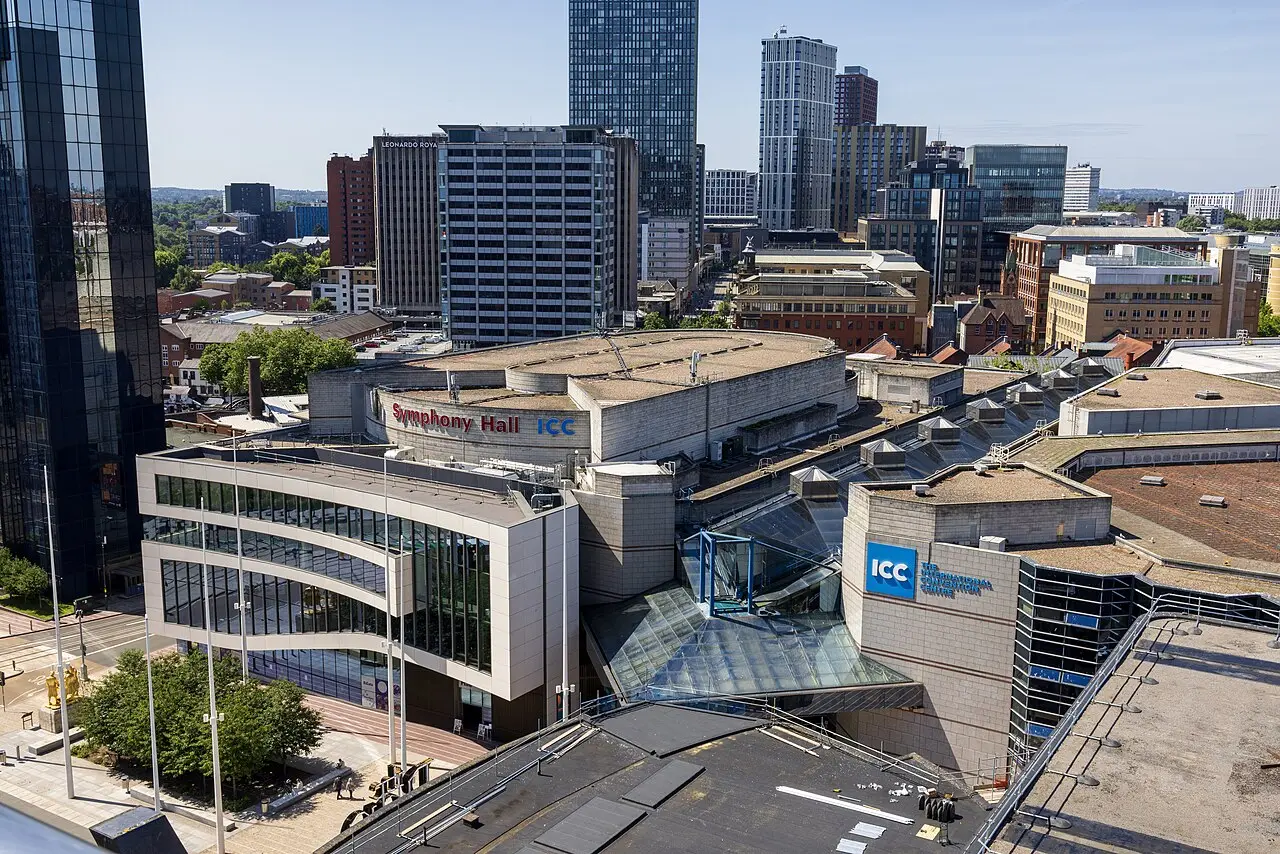
The Conservatives have promised what they called the most ambitious deregulation programme in a generation, including abolishing the Environment Agency and Natural England, in announcements at their conference in Birmingham.
The plans were set out by the shadow chancellor, Andrew Griffith, on Monday, the second day of the conference at the International Convention Centre. He promised a "bonfire of red tape".
The main proposals
- The Environment Agency and Natural England would no longer exist as separate bodies, with their work brought into the Department for Environment, Food and Rural Affairs.
- The Future Homes Standard, which requires new homes to have low-carbon heating and better energy efficiency, would be scrapped.
- The packaging extended producer responsibility scheme, under which companies pay for the cost of dealing with their packaging waste, would be removed.
- Section 106 agreements and the Community Infrastructure Levy, which require developers to contribute to local infrastructure and affordable housing, would be replaced by a single levy.
- The UK would withdraw from the Aarhus Convention, an international agreement that gives the public rights to environmental information and to challenge decisions in court.
The party said its plans could cut the cost of building a new home by around 50,000 pounds, and that removing the packaging scheme would lift a 1.5 billion pound burden from businesses.
The party's leader, Kemi Badenoch, has also pledged to repeal the Climate Change Act. "We will get rid of the Climate Change Act and replace it with a proper strategy that actually works," she said.
The reaction
Environmental groups strongly criticised the plans. Craig Bennett OBE, chief executive of The Wildlife Trusts, said: "Today's announcements would do nothing to encourage growth or deliver development."
Critics say scrapping the Future Homes Standard would mean higher energy bills for people living in new homes, and that removing the packaging scheme would shift the cost of dealing with waste back onto councils and taxpayers.
What it would mean for Birmingham
Many of the proposals would affect councils directly. Section 106 agreements and the Community Infrastructure Levy fund local infrastructure such as schools, roads and parks, and secure affordable homes in new developments. Birmingham, which needs tens of thousands of new homes, relies on them as part of its planning system.
The packaging scheme is expected to provide councils with money towards the cost of collecting and recycling packaging, which matters to Birmingham as it tries to improve its waste service after the long-running bin strike.
The Environment Agency's work in Birmingham includes flood defence schemes on the River Rea and its tributaries, and monitoring river pollution and drought.
The politics
The Conservatives are trying to set out clear differences with the Government and with Reform UK. Mrs Badenoch has argued that regulation has held back growth and made housing too expensive. The Government says it is already reforming the planning system to speed up building.
Not policy yet
The proposals are Conservative party policy for a future government. The next general election is due by 2029.
The conference continues
The conference continues until Wednesday 7 October, with further speeches from members of the shadow cabinet.
Business reaction
Some business groups and housebuilders have long argued that planning rules and environmental regulations slow down development and add costs. Others in the construction and green industries say clear, stable standards help firms plan ahead and invest, and that scrapping rules already in place would create uncertainty.
More in Council and Politics
All

Latest news
Featured posts
-
Things to do
Top 10 places to visit in Birmingham
-
Food and drink
The 12 most popular food spots in Birmingham
-
Things to do
The best laser tag locations in Birmingham