
Ten schools picked for road safety measures to tackle pavement parking
One-way systems, narrower junctions and bollards are proposed under the council's Safer School Journeys programme.
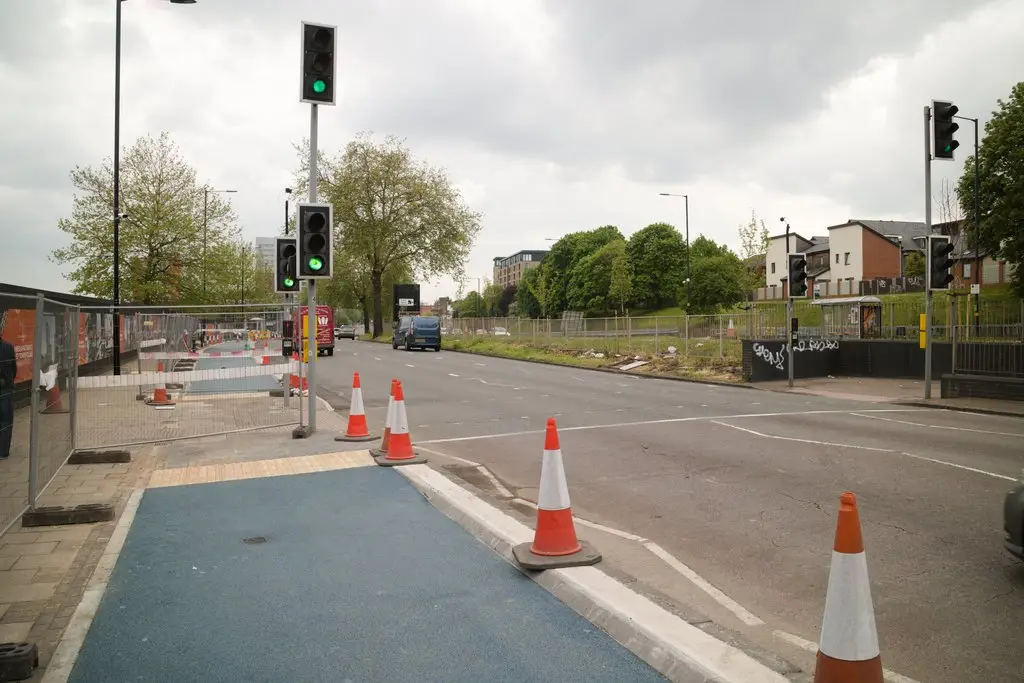
Ten Birmingham schools have been chosen for new road safety measures, as the city council steps up its efforts to make the school run safer.
The changes are proposed through the council's Safer School Journeys programme, which aims to make the streets around schools "safer, healthier and more welcoming".
The programme is funded by the Clean Air Zone, the charge paid by the most polluting vehicles driving into the city centre. It gives schools dedicated support to deal with road safety concerns, while also improving air quality and encouraging more children and families to walk, wheel and cycle.
What is being proposed
Examples of the measures suggested at some of the schools include:
- one-way systems on nearby roads;
- narrowing junctions, so drivers have to slow down and children have a shorter distance to cross;
- bollards to stop drivers parking on the pavement.
The full list of schools and measures is published on the council's Birmingham Be Heard consultation website. The consultations close later this month, and parents, residents and businesses near each school can comment.
Vision Zero
The council says the programme is aligned with the city's Road Harm Reduction Strategy, adopted last year, which commits Birmingham to Vision Zero: a road network where nobody is killed or seriously injured.
Explaining why the strategy was needed, the council said it is "not inevitable nor acceptable that anyone should be killed or seriously injured when travelling around Birmingham".
The programme also supports Kids Streets, a regional initiative backed by the Mayor, Richard Parker. The region's road safety commissioner, Mat MacDonald, and active travel commissioner, Beccy Marston, have said there is a "shared ambition to design our streets through the eyes of children, recognising that when streets work for children, they work better for everyone".
Why pavement parking matters
Cars parked on the pavement force children, parents with buggies, wheelchair users and people with sight loss into the road. Outside London, the rules on pavement parking are patchy, and councils usually have to put up signs, lines or physical barriers such as bollards to stop it on a particular street.
Changes already made
The council says significant changes have already been made outside schools across Birmingham under the programme. Measures used elsewhere in the city include School Streets, where roads outside a school close to through traffic at the start and end of the day, as well as new crossings, wider pavements and planters to slow traffic.
Have your say
Anyone who lives near one of the schools, or whose children go there, can read the plans and respond on Birmingham Be Heard before the consultations close. The council says it will consider the responses before deciding which measures go ahead, and how they are designed.
Clean Air Zone income can only be spent on transport and air quality schemes, which is why projects like this are funded from it rather than from the council's main budget.
More in Transport
All
Latest news
Featured posts
-
Things to do
Top 10 places to visit in Birmingham
-
Food and drink
The 12 most popular food spots in Birmingham
-
Things to do
The best laser tag locations in Birmingham