
Russia strikes Kyivstar headquarters and data centres
A Vodafone Ukraine data centre was also hit, and a strike in Kyiv wounded two children.

Russia has struck the headquarters of Kyivstar, Ukraine's largest mobile phone network, as part of a campaign of attacks on Ukraine's data centres and communications systems.
Kyivstar told the Interfax Ukraine news agency that its head office in Kyiv had been hit on Sunday 27 September, but that there were no casualties.
Data centres targeted
Russia's defence ministry said it had also hit a data centre belonging to Vodafone Ukraine, the country's second-largest mobile network. Ukraine's President, Volodymyr Zelensky, said Russia struck a data centre in Kyiv twice on Sunday morning, wounding two children and an adult.
Why target data?
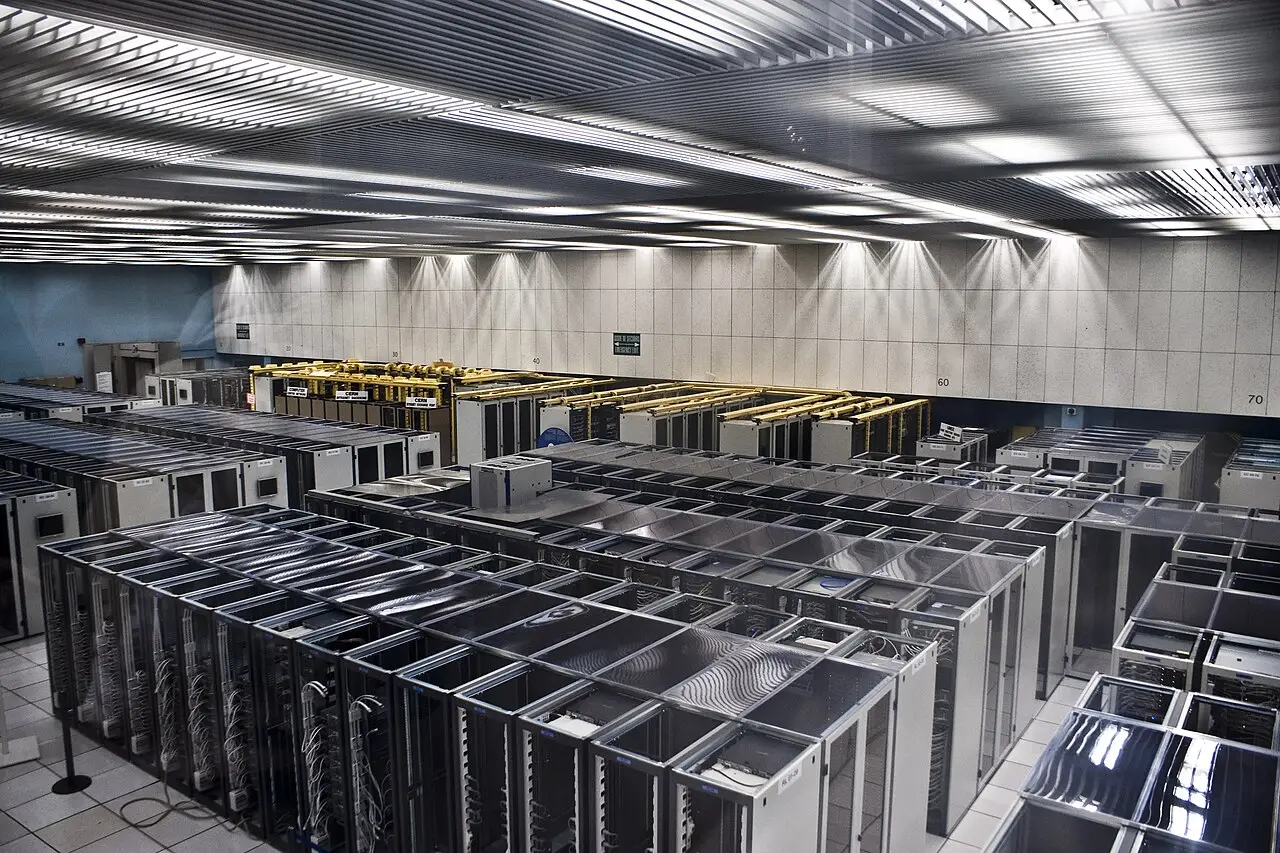
Data centres hold the computer systems that run phone networks, internet services, banking, government records and much of daily life. Attacks on them can cut people off from each other and disrupt services far from the front line.
Ukraine's mobile networks have been a frequent target throughout the war. In December 2023, a major cyberattack knocked out Kyivstar's services for millions of customers for several days, one of the most damaging cyberattacks of the conflict.
Keeping Ukraine connected
Ukrainian operators have worked to make their networks more resilient since the full-scale invasion began in 2022, spreading equipment across more sites, installing backup power and sharing capacity with each other when one network goes down. Satellite internet services have also played an important role in keeping the country connected.
A wider bombardment
The strikes came during a weekend of attacks by both sides. Russian and Ukrainian strikes killed at least eight people in Ukraine and one in Russia, with targets including Kyiv and the surrounding area, the Kharkiv and Odesa regions and Russia's Belgorod region.
In New York, the German and Russian foreign ministers held their first direct talks in four years on the sidelines of the United Nations General Assembly, but there was no sign of an end to the fighting.
More in Technology
All
Latest news
Featured posts
-
Things to do
Top 10 places to visit in Birmingham
-
Food and drink
The 12 most popular food spots in Birmingham
-
Things to do
The best laser tag locations in Birmingham