
Perry Barr among areas with poor access to nature
Many homes are more than 15 minutes' walk from green or blue space, research finds.
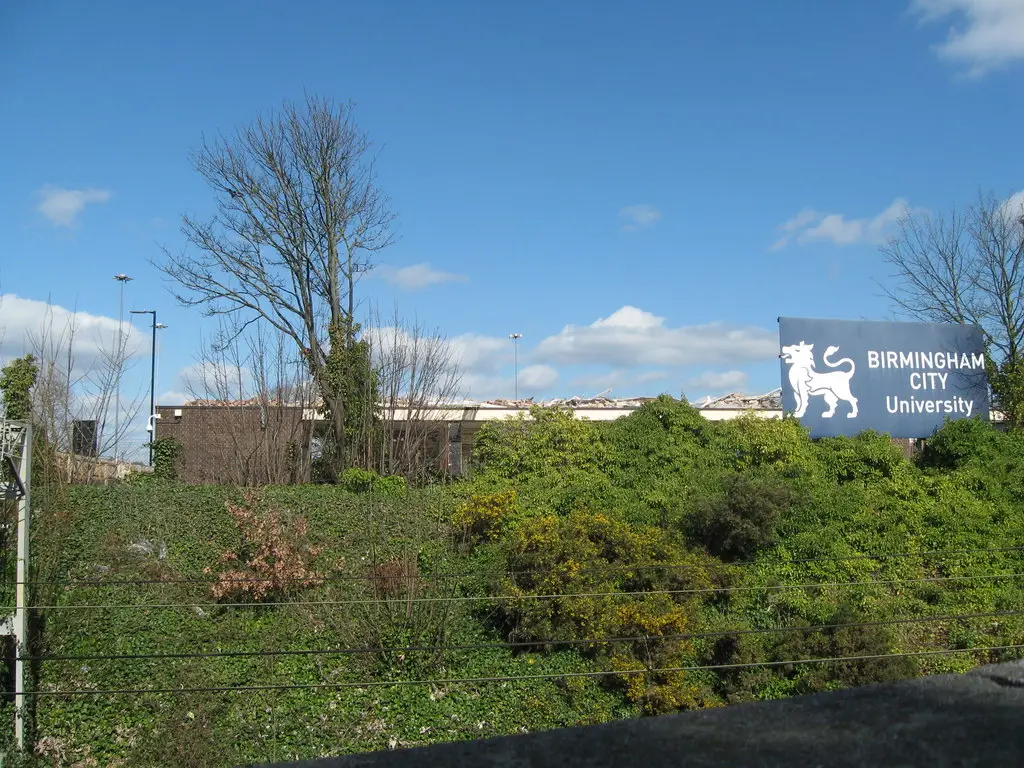
Birmingham Perry Barr is among the parliamentary constituencies in England where a large share of homes are more than a 15-minute walk from a park, green space or water, according to new research from The Wildlife Trusts.
The research, carried out with Liberal Democrats for Nature and Climate, found that 238 English constituencies, 44 per cent of the total, have 20 per cent or more of their properties more than 15 minutes' walk from accessible green or blue space.
A question of fairness
The research found that seven of the ten most economically deprived constituencies in England are on the low-access list, including Birmingham Perry Barr and Bradford West. Campaigners say that means the people who could benefit most from nature are often the least likely to have it on their doorstep.
The constituency with the poorest access was Harrow West in London, where only 28.77 per cent of properties are within a 15-minute walk of accessible green or blue space.
Why access to nature matters
Spending time in green spaces has been linked to better physical and mental health, including lower stress, more physical activity and a lower risk of some long-term conditions. Parks and trees also help to cool neighbourhoods during heatwaves, which matters after a summer in which temperatures in some cities passed 38C.
What the Wildlife Trusts want
The Wildlife Trusts have published a paper, Unlocking nature for all, calling on the Government to make improving access to nature a priority. They warn that Government inaction risks harming public health, and they want new green spaces created where they are most lacking, along with better protection for existing ones.
Green space in Birmingham
Birmingham has more than 500 parks and green spaces, including Sutton Park, one of the largest urban parks in Europe. But they are not evenly spread, and some inner-city neighbourhoods have far less green space and fewer street trees than leafy suburbs.
The council's Green Infrastructure Master Plan for East Birmingham and tree-planting work focused on areas with the lowest tree cover are aimed at narrowing that gap.
Perry Barr
Perry Barr, in the north west of the city, has seen major regeneration since the 2022 Commonwealth Games, when the Alexander Stadium was rebuilt and new homes and a rail station were developed. Perry Park, next to the stadium, and the River Tame valley provide some green space.
Small spaces count
Campaigners say green space does not have to mean large parks. Pocket parks, community gardens, green roofs, canal towpaths and tree-lined streets can all bring nature closer to people's homes, especially in dense urban areas.
Get involved
Many green spaces in Birmingham are looked after with help from Friends groups and volunteers, who organise litter picks, planting days and events. The Wildlife Trust for Birmingham and the Black Country and the council's parks service can put people in touch with local groups.
Heat and health
Areas with little green space tend to be hotter in summer, because buildings and paved surfaces absorb and hold heat. During this year's record-breaking summer, health experts warned that people living in dense urban neighbourhoods, especially older people and those with health conditions, were among the most at risk. Planting trees and creating green spaces is one of the most effective ways to cool streets.
More in Environment
All
Latest news
Featured posts
-
Things to do
Top 10 places to visit in Birmingham
-
Food and drink
The 12 most popular food spots in Birmingham
-
Things to do
The best laser tag locations in Birmingham