
Nights now longer than days after the equinox
Birmingham now has under 12 hours of daylight, and it is shrinking by minutes a day.
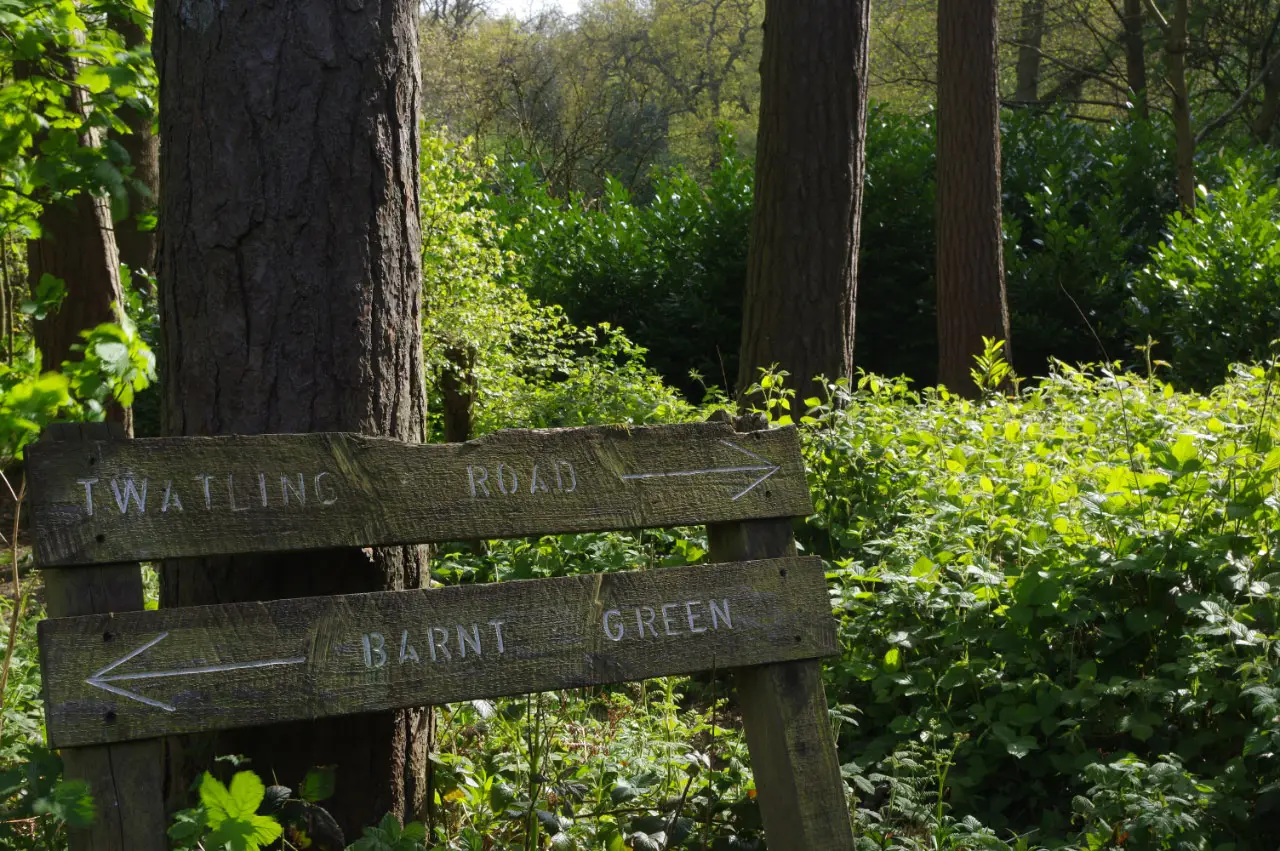
Nights are now longer than days in Birmingham, after the autumn equinox passed in the early hours of Wednesday 23 September.
The equinox took place at 00:05 UTC, which was 1.05am British Summer Time. It marks the moment when the Sun crosses the celestial equator heading south, and it is the start of astronomical autumn in the northern hemisphere.
Losing daylight fast
Around the equinox, day length changes more quickly than at any other time of year. In Birmingham, the sun rises at about 7.04am and sets at about 6.52pm at the start of this week, giving just under 12 hours of daylight. Each day is now several minutes shorter than the one before.
By the shortest day, the winter solstice on 21 December, Birmingham will have fewer than eight hours of daylight.
Meteorological autumn
Weather forecasters use a simpler calendar. Meteorological autumn began on 1 September and covers September, October and November. Using whole months makes it easier to compare seasons from year to year.
Is day and night equal at the equinox?
Not quite. Because sunrise and sunset are measured from the moment the top edge of the Sun appears or disappears, and because the atmosphere bends light, day and night are not exactly equal on the equinox. In the UK, the day when they are closest to equal falls a few days afterwards.
The clocks go back soon
The clocks go back an hour at 2am on Sunday 25 October, which will make mornings lighter for a while but bring darkness to the evening rush hour.
Making the most of the light
Health experts say getting outside in daylight, especially in the morning, can help mood and sleep as the days shorten. For some people, shorter days can trigger seasonal affective disorder, a type of depression linked to the seasons. Anyone who notices a persistent low mood should speak to their GP.
Autumn skies
Longer, darker evenings also bring better chances to see the stars and planets, especially from darker spots on the edge of the city such as the Lickey Hills and Sutton Park.
More in Weather
All
Latest news
Featured posts
-
Things to do
Top 10 places to visit in Birmingham
-
Food and drink
The 12 most popular food spots in Birmingham
-
Things to do
The best laser tag locations in Birmingham