

New exhibition tells how Digbeth became Birmingham's creative quarter, from Bird's Custard to street art
A Celebration of Digbeth, curated by a team including historian Carl Chinn, opens on 20 November with photographs, stories and archive material.
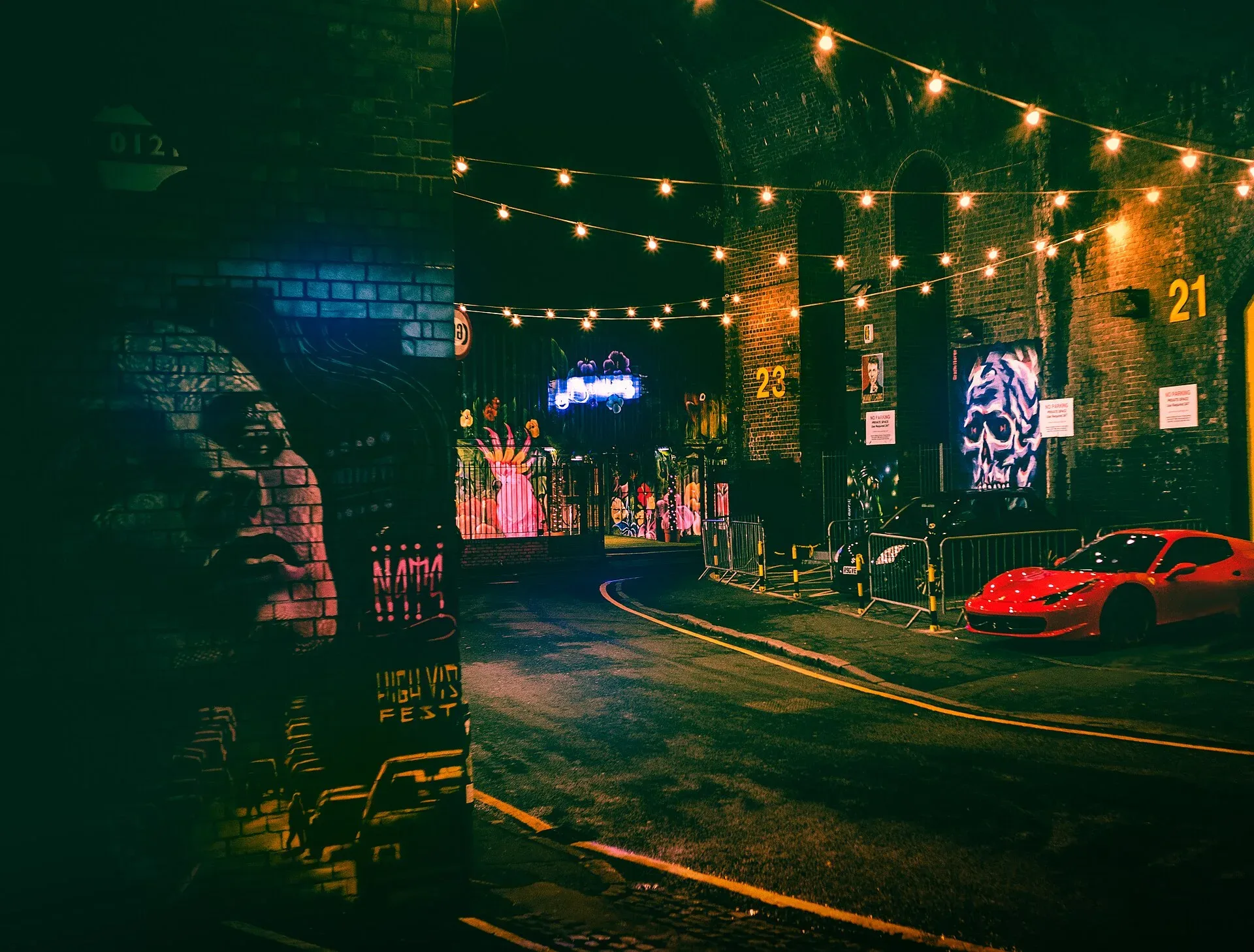
The story of how Digbeth went from smoke-blackened industrial heartland to one of the UK's most distinctive creative quarters is to be told in a new exhibition opening on Friday 20 November, curated by a team that includes the Birmingham historian Professor Carl Chinn MBE.
A Celebration of Digbeth: The Making of Birmingham's Creative Quarter will run until 20 December 2026, What's On Birmingham reported.
From custard powder to creative studios
At the heart of the exhibition is the story of Zellig and the Custard Factory, the former home of Alfred Bird's famous custard business, and the vision that turned its historic buildings into a creative destination. Bird, a Birmingham chemist, created his egg-free custard powder in the 1830s, and the family firm's buildings by the River Rea later became one of the best-known landmarks in the area.
The exhibition will look at the pioneering role of developer Bennie Gray in the regeneration of the area, alongside the architects, artists and creative businesses whose work helped establish Digbeth's reputation as Birmingham's creative quarter.
Visitors will be taken on a journey through Digbeth's history: its industrial beginnings, the redevelopment of the Custard Factory, the emergence of its creative community in the 1990s and 2000s, and the influence the area has today.
Photographs, stories and archive material
The exhibition brings together historic photographs, stories, personal reflections and archive material to document Digbeth's change from an industrial district into a centre for culture, creativity and independent enterprise. It explores the artists, entrepreneurs, businesses and communities that have shaped the area's creative identity.
As well as Professor Chinn, who has written extensively about the history of Birmingham and its working-class communities, the exhibition has been curated by Lisa Meyer, Matt Watkins, Shannon Davies and Alexander Powell.
A district still changing
The exhibition arrives at a busy time for Digbeth. The area's warehouses and railway arches are now home to studios, music venues, independent food traders and street art, and the district is set to be transformed further in the years ahead with new homes and the planned HS2 terminus at nearby Curzon Street.
November also sees the Everything Digbeth Christmas market return to the area, What's On Birmingham reported, so there is plenty to draw visitors into the creative quarter this winter.
For anyone who has danced under the arches, eaten at a Digbeth street food night or worked in one of the Custard Factory's studios, the exhibition is a chance to discover how the place they know came to be, and the people who made it happen.
More in Arts and Culture
All
Latest news
-
16 Nov
New direct Birmingham to Crewe trains start on 13 December, the first step to a Manchester Airport link
-
16 Nov
Apple launches study of 200,000 people to test how useful AI answers to health questions really are
-
16 Nov
Asian Business Chamber's Diwali celebration at St Andrew's explores innovation, from cybersecurity to football
Featured posts
-
Things to do
Top 10 places to visit in Birmingham
-
Food and drink
The 12 most popular food spots in Birmingham
-
Things to do
The best laser tag locations in Birmingham