
MG cars roll off the Longbridge line again
Production of the MG TF restarts three years after the collapse of MG Rover.
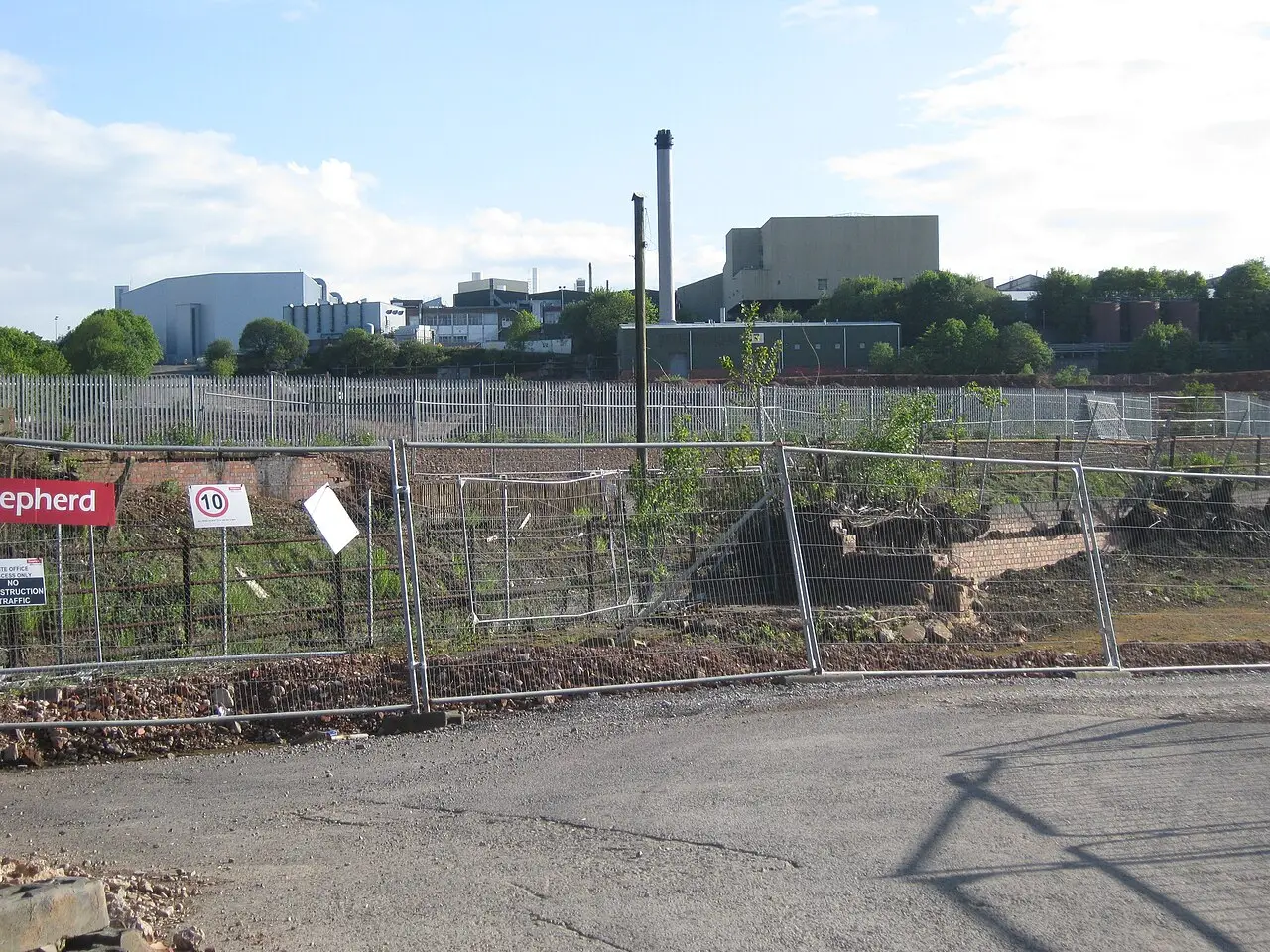
MG sports cars are being built at Longbridge again, more than three years after the collapse of MG Rover brought car-making at the historic plant to a halt.
Production of the MG TF resumed in August, in a small part of the old Austin works, under the ownership of the Chinese car maker Nanjing Automobile, which has merged with SAIC.
A small start
The new production line uses only part of the old South Works, and the numbers being built are tiny compared with the plant's heyday. But the return of production is a symbolic moment for Longbridge, where cars have been made since 1906.
The collapse of MG Rover
MG Rover went into administration in April 2005, with debts of more than £1.4 billion, after talks with the Chinese company SAIC about a partnership collapsed. More than 6,000 people lost their jobs at Longbridge, and thousands more in the supply chain.
Three months later, Nanjing Automobile bought the remaining assets, including the rights to the MG brand and a lease on part of the Longbridge site. Late last year, Nanjing and SAIC announced a merger, bringing the site under SAIC's control.
A new engineering centre
SAIC is also moving its UK engineering and design operation to Longbridge from Leamington Spa, bringing engineers and designers to the site.
What remains of the old plant
Much of the rest of the vast site has been cleared, and the land is being redeveloped for new homes, shops, offices and a technology park, in what will be one of the largest regeneration projects in the area.
A century of car-making
Herbert Austin started making cars at Longbridge in 1906, and the plant grew to become one of the biggest car factories in the world, employing around 25,000 people by the late 1960s. It built some of Britain's best-known cars, including the original Mini and the Austin Metro.
The plant passed through the hands of British Leyland, Rover Group, British Aerospace and BMW, before BMW sold it to the Phoenix consortium for £10 in 2000.
Hope for the future
Former workers and local people will be pleased to see cars leaving the plant again, but many are cautious about the long-term future. The number of jobs is small, and the company has not yet said how many cars it will build or whether new models will follow.
For south Birmingham, where the plant once dominated the local economy, the restart is a welcome sign that Longbridge still has a place in the motor industry, even if on a much smaller scale than before.
More in Business
All
Latest news
Featured posts
-
Things to do
Top 10 places to visit in Birmingham
-
Food and drink
The 12 most popular food spots in Birmingham
-
Things to do
The best laser tag locations in Birmingham