
Liverpool beats Birmingham to Capital of Culture
Birmingham was one of six cities on the shortlist for 2008.
Birmingham has missed out on becoming European Capital of Culture in 2008, after the title was awarded to Liverpool.
The Culture Secretary, Tessa Jowell, announced the winner on 4 June. Birmingham was one of six cities on the shortlist, along with Bristol, Cardiff, Newcastle and Gateshead, and Oxford.
Disappointment in Birmingham
The decision is a blow to Birmingham, which had put together an ambitious bid highlighting its diverse communities, its world-class orchestra and ballet company, its museums and galleries, and its transformed city centre.
Supporters of the bid say it has still been worthwhile. The bidding process brought together arts organisations, businesses and communities from across the city, and raised Birmingham's profile as a cultural destination.
Many of the projects put forward in the bid are expected to go ahead anyway, and city leaders have promised that the work will not be wasted.
Why Liverpool won
The judging panel, led by Sir Jeremy Isaacs, praised Liverpool's bid for its strong community involvement and its vision for how the title could help regenerate the city. Liverpool had been widely seen as the favourite in recent weeks.
The title is expected to bring huge benefits to Liverpool, including investment, tourism and international attention. Glasgow, which held the title in 1990, has been widely seen as an example of how it can transform a city's image.
What Birmingham offered
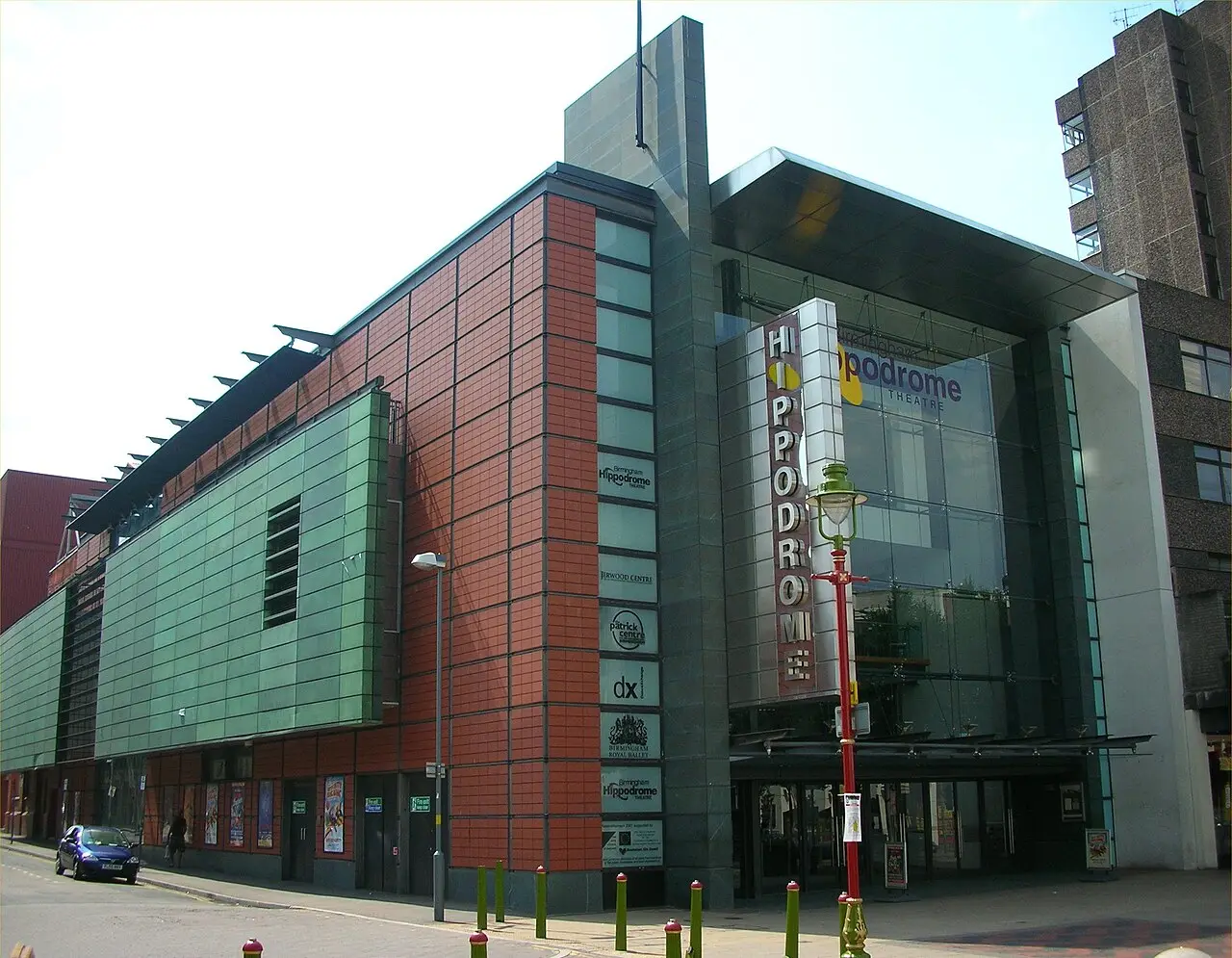
Birmingham's bid focused on the city's cultural richness and its young, diverse population. It highlighted the City of Birmingham Symphony Orchestra, Birmingham Royal Ballet, the Birmingham Repertory Theatre and the Ikon Gallery, as well as the city's festivals and music scene.
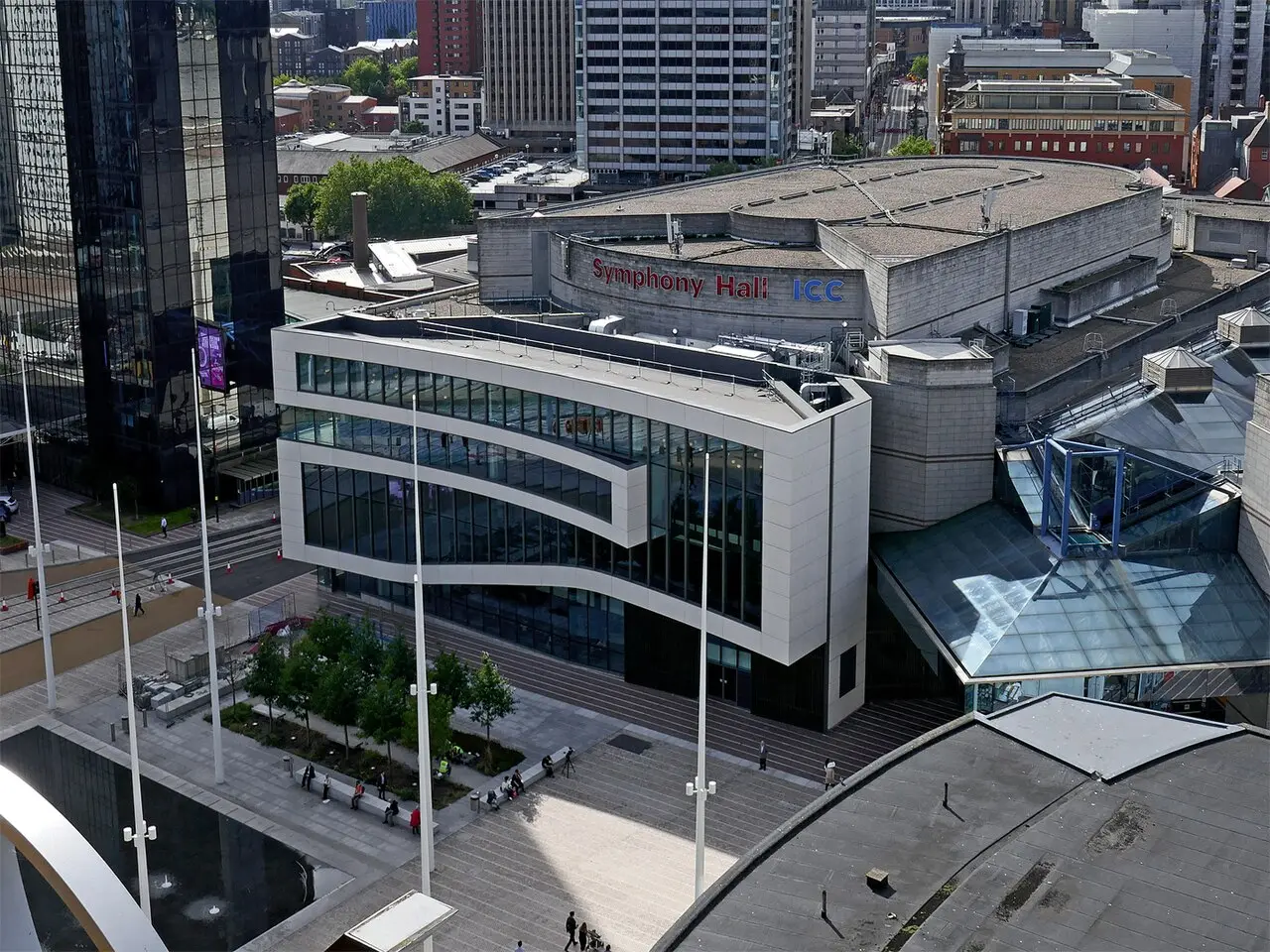
It also pointed to the transformation of the city centre in recent years, including Brindleyplace, the International Convention Centre, Symphony Hall and the new Bullring, which is due to open in the autumn.
Looking forward
City leaders say Birmingham will continue to invest in culture and to attract major events. The city will host many cultural events in the coming years, and there are plans for new venues and improvements to existing ones.
Some in the arts world believe the city should now look to other ways of showcasing its culture, such as a festival or a programme of events that could rival what Liverpool plans for 2008.
Business leaders say the disappointment should not overshadow the progress the city has made. Birmingham has become a popular destination for conferences, shopping and entertainment, and its cultural offer is stronger than ever.
For now, Birmingham will congratulate Liverpool and look to the future.
More in Arts and Culture
All
Latest news
Featured posts
-
Things to do
Top 10 places to visit in Birmingham
-
Food and drink
The 12 most popular food spots in Birmingham
-
Things to do
The best laser tag locations in Birmingham