
Kraft agrees £11.5bn deal to buy Cadbury
The Bournville chocolate maker's board recommends the American offer after a four-month fight.
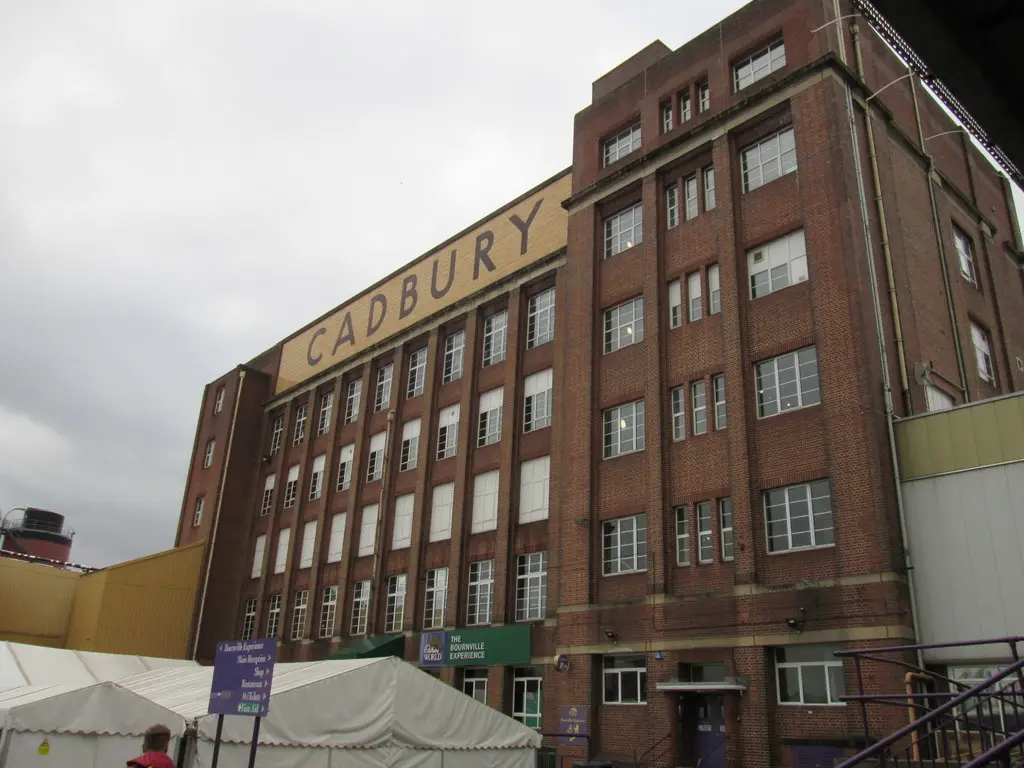
Cadbury, the chocolate company founded in Birmingham almost two centuries ago, has agreed to be taken over by the American food giant Kraft Foods.
The two companies announced on 19 January that they had reached a deal worth around £11.5 billion, with Kraft paying 840p a share including a special dividend. Cadbury's board is recommending the offer to shareholders.
The end of a long fight
The agreement brings to an end a battle that began last September, when Kraft made an unwelcome approach that Cadbury's board rejected as undervaluing the company. Kraft then went direct to shareholders with a hostile bid. After months of pressure, and with the American firm Hershey deciding not to make a rival offer, Cadbury's directors have now accepted an improved price.
A Birmingham institution
Cadbury began in 1824, when John Cadbury opened a shop on Bull Street selling tea, coffee and drinking chocolate. His sons Richard and George took over the business in 1861, when it was struggling, and turned it around by focusing on chocolate. In 1879 they moved production out of the town centre to a new factory in the countryside at Bournville, where they built a model village for their workers.
The company was granted its first royal warrant by Queen Victoria in 1854. It merged with Fry's of Bristol in 1919 and with the drinks firm Schweppes in 1969, and has been a member of the FTSE 100 since the index began in 1984. Its brands, including Dairy Milk, Creme Eggs and Roses, are among the best known in the country.
Worries about jobs
The deal has caused alarm among Cadbury's workers and in Bournville, where thousands of people are employed at the factory and the company's influence runs through the community. Unions have warned that the takeover, financed partly by borrowing, could lead to job cuts.
During the bid, Kraft pledged to keep open Cadbury's Somerdale factory near Bristol, which the company had planned to close, and has said it values the Cadbury brand and its heritage.
Political concern
The takeover has also prompted a wider debate about foreign ownership of famous British companies. Politicians from all the main parties have raised concerns, and some have called for changes to the rules on takeovers.
What happens next
Cadbury shareholders will now be asked to accept Kraft's offer. If enough of them do, Cadbury will become part of Kraft, which owns brands including Toblerone and Milka and is one of the largest food companies in the world.
For Birmingham, the deal marks the end of Cadbury as an independent British company. Many in the city will be watching closely to see whether Kraft keeps its promises, and what the future holds for Bournville, the factory and the village that the Cadbury family built.
More in Business
All
Latest news
Featured posts
-
Things to do
Top 10 places to visit in Birmingham
-
Food and drink
The 12 most popular food spots in Birmingham
-
Things to do
The best laser tag locations in Birmingham