

Kenyan conservationist Raabia Hawa, threatened for protecting elephants and turtles, wins the Tusk Award
The founder of the Ulinzi Africa Foundation received the 2026 Tusk Award for Conservation in Africa in London, bringing three years of funding.
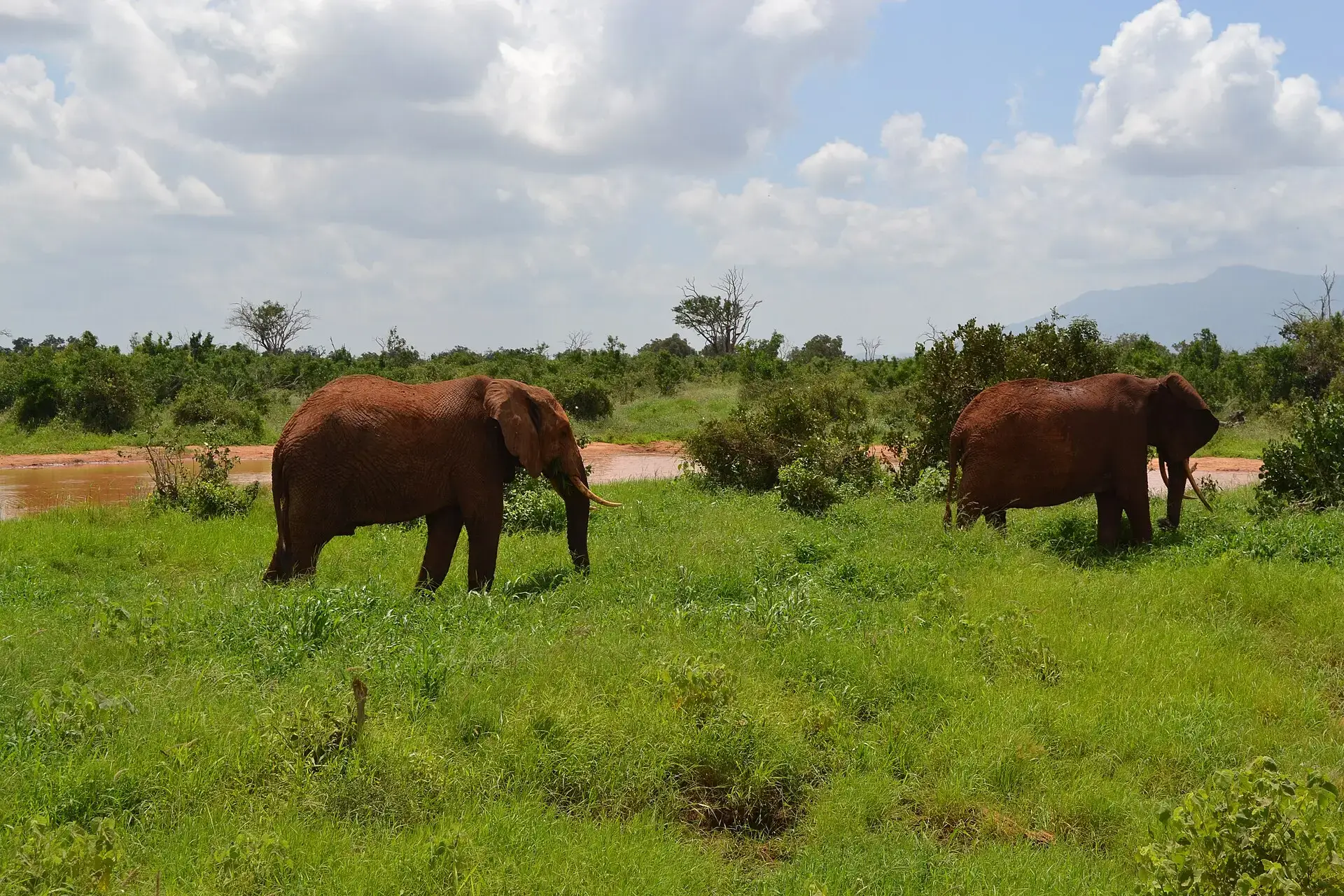
A Kenyan conservationist who has faced death threats for protecting elephants, turtles and the ocean near the Somali border has received the 2026 Tusk Award for Conservation in Africa at a ceremony in London.
Raabia Hawa, founder of the Ulinzi Africa Foundation, received the award on 11 November, Mongabay reported. The prize gives her organisation three years of vital funding.
From teacher to frontline defender
A former broadcast journalist and Montessori teacher, Ms Hawa founded Ulinzi, which means "the defenders" in Swahili, in 2014 to run frontline ranger patrols against elephant poaching and wildlife crime. Its work has since grown to tackle illegal industrial bottom-trawling at sea and to support local communities resisting mining concessions.
Before setting up the foundation, she organised a cross-country trek called Walk with Rangers, from Arusha in Tanzania to Nairobi, through the bush. Seventy-one people from around the world joined her, and an online fundraiser raised enough to buy the Land Cruiser the foundation still uses today.
Standing up to the trawlers
In 2021, after reports of dead dolphins and turtles, her rangers boarded a trawler and found 48 endangered animals on board, including sharks, rays and guitarfish. She said she was later offered money to drop the case and named as a target by the militant group al-Shabaab, but refused to back down.
She helped local people gather evidence and write to the wildlife ministry, which committed in writing to keeping the Kipini landing site area free of trawling. "It was really such a win," she said. "Between 2023 and 2025, we recorded a notable decline in the death of turtles as a result of trawling."
Mapping the mines
When a mining company sought prospecting rights over large areas of land, including environmentally significant sites, Ms Hawa helped build a coalition of objectors. Her team mapped the mining blocks and trained farmers and local women to use Google Maps to check whether their homes, farms or family graves lay within them. The community pushed back, and the company withdrew its interest in the area.
Ulinzi works on a shoestring, supported by volunteers and family. Ms Hawa dedicated the award to her father, Abdul Kadir Hawa. "He really believed in allowing me to find my path and walk my path, and he just empowered me every day," she said.
The fight is not over. She said a trawler had returned this year and 20 turtle deaths had already been recorded. When she began, she said, nobody else was willing to work in the area because of the insecurity, so she decided to try and do it herself.
More in Awards and Honours
All

Latest news
-
16 Nov
Sutton Coldfield businesses vote on keeping the BID behind the town's festivals, markets and new CCTV
-
16 Nov
KPop Demon Hunters Golden World Tour is coming to Birmingham's Utilita Arena, with tickets on sale Friday
-
16 Nov
New Ancient Trees app maps the world's oldest and most remarkable trees, from Lisbon to a 5,000-year-old yew
Featured posts
-
Things to do
Top 10 places to visit in Birmingham
-
Food and drink
The 12 most popular food spots in Birmingham
-
Things to do
The best laser tag locations in Birmingham